9 Proven Transfer Paper Cost Saving Tips for Global Success

Save big on transfer paper costs by implementing these proven strategies: track your monthly usage patterns, buy in bulk from certified suppliers after testing samples, store papers properly at 20-25°C, calibrate printer settings for ideal ink distribution, and reuse smaller pieces for test runs. You’ll want to monitor quality through regular inspections and maintain detailed usage logs for cost analysis. These foundational tips are just the beginning of maximizing your efficiency.
Key Takeaways
- Implement design nesting techniques to maximize paper usage by arranging multiple smaller designs on a single transfer sheet.
- Track monthly production volumes and seasonal patterns to optimize bulk purchasing decisions and negotiate better supplier rates.
- Store transfer paper properly between 18-24°C and use FIFO method to prevent waste from environmental damage or expiration.
- Utilize digital proofing software instead of physical test prints to reduce material waste and speed up production.
- Reuse smaller leftover pieces for testing or samples, and maintain detailed waste logs to identify cost-saving opportunities.
Assessing Your Transfer Paper Requirements
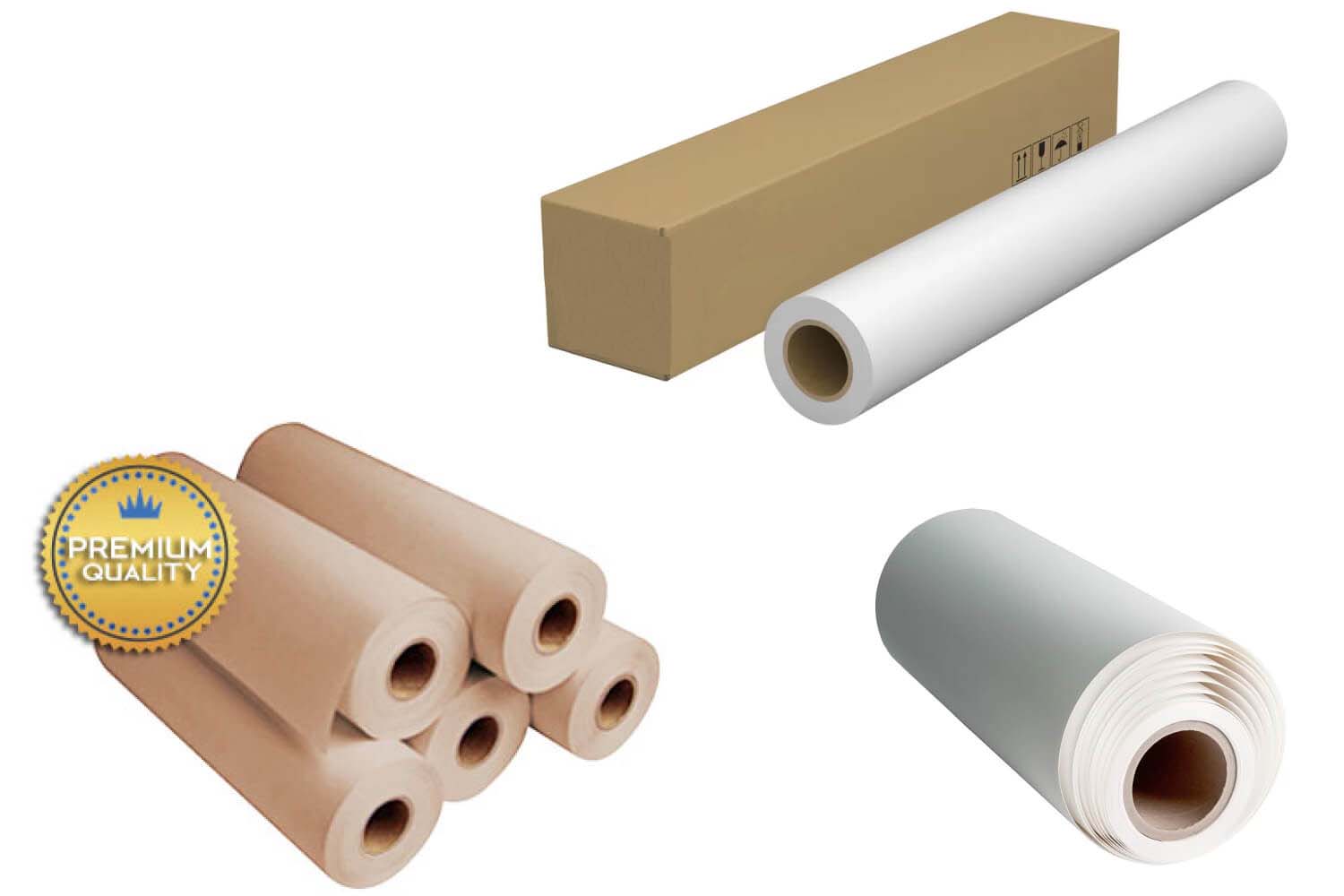
Before diving into cost-saving strategies, you’ll need to carefully evaluate your transfer paper needs based on your specific printing methods and materials.
You’ll want to first identify which printer type you’re using – whether it’s sublimation, DTF, or DTG – since each requires different transfer paper specifications.
Let’s examine your monthly production volume to determine the best bulk purchasing quantities. Track your average usage across different projects.
Have you noticed how different fabrics need specific paper types? Match your most common materials with compatible transfer papers.
Think about your typical print sizes too. Buying standard-sized sheets when you mostly print small designs wastes paper.
Consider seasonal fluctuations in your business. You might need more transfer paper during peak seasons and less during slower months.
For high-volume operations, a 1.9 meter width heat press machine allows efficient processing of large transfer paper rolls at speeds up to 150 meters per hour.
Selecting Reliable Global Suppliers
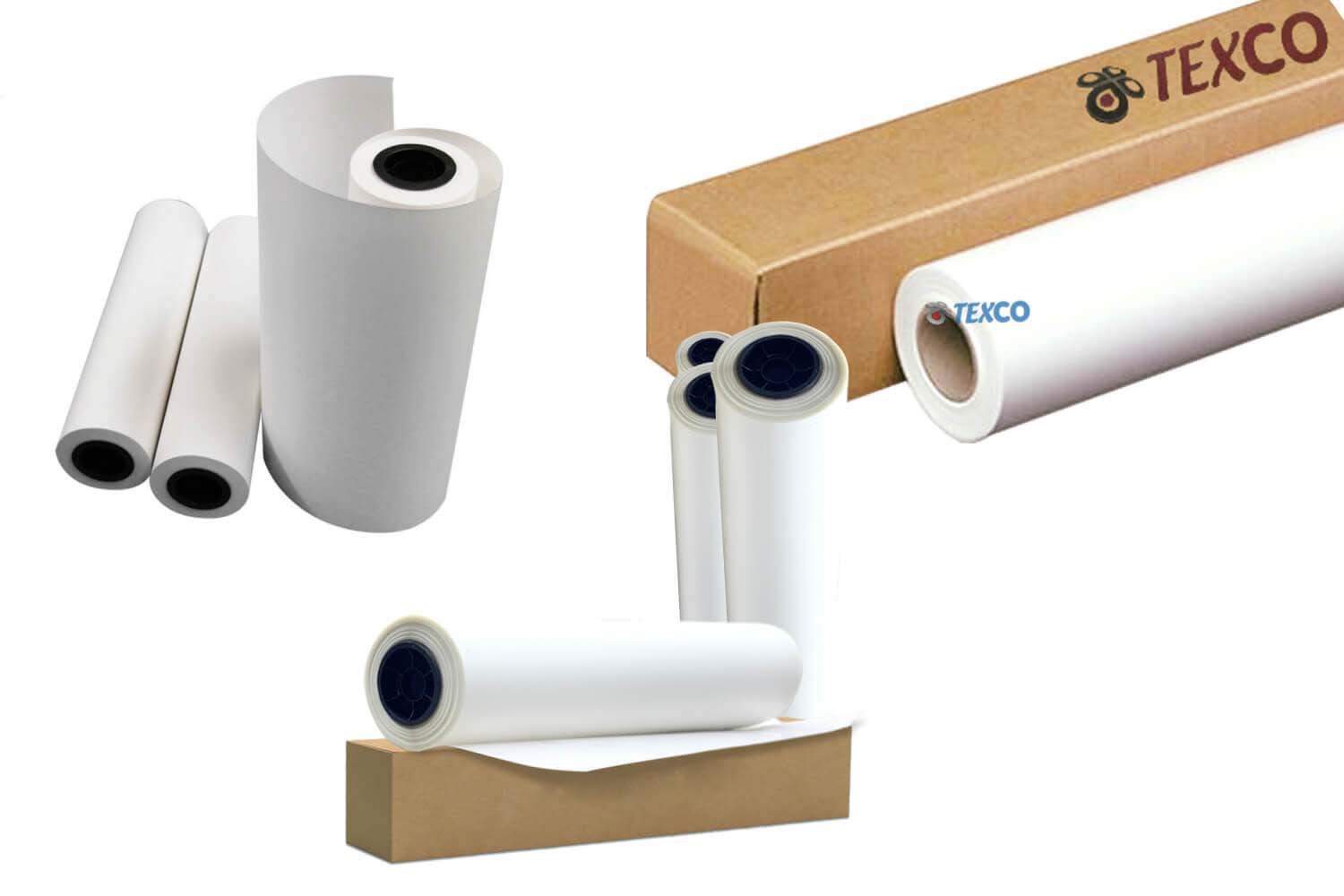
Now that you’ve assessed your transfer paper needs, finding trustworthy suppliers worldwide can help you secure better prices. Start by exploring established manufacturers with proven track records in textile printing supplies.
You’ll want to prioritize suppliers offering Oeko-Tex certified materials that align with current sustainability standards. Leading companies like Texco demonstrate the importance of quality certifications.
Consider forming partnerships with suppliers who provide comprehensive support services. Look for those offering technical assistance and flexible payment terms.
Don’t limit yourself to local vendors. Research international suppliers who specialize in high-grade transfer paper for your specific printing method.
Remember to request sample materials before making bulk purchases. This lets you test quality and compatibility with your printing systems.
Compare shipping costs and delivery times from different regions to optimize your supply chain.
For optimal results, ensure your transfer paper supplier can provide materials compatible with specialized sublimation ink and proper storage requirements.
Maximizing Transfer Paper Efficiency
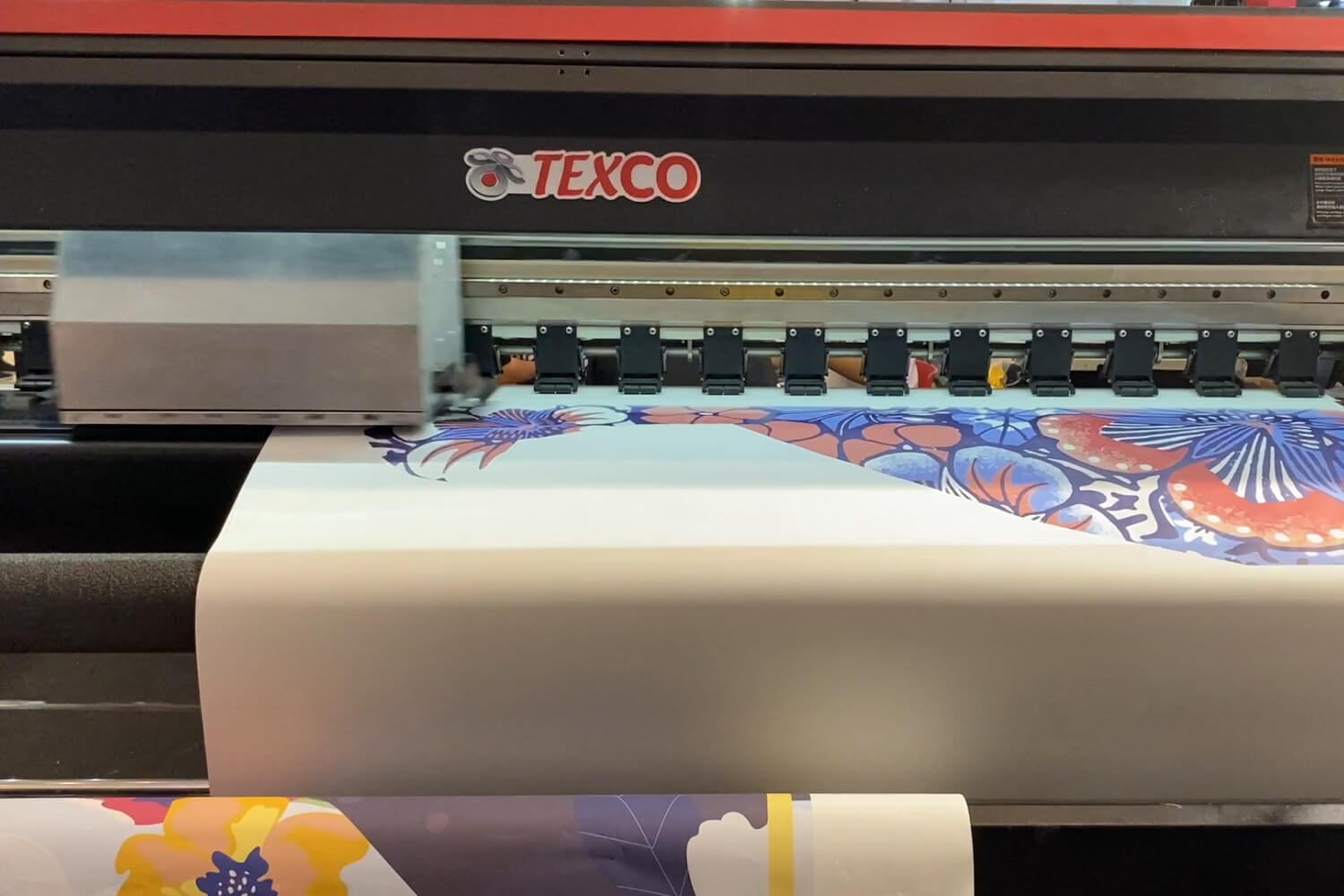
Making the most of your transfer paper starts with smart usage practices that reduce waste and boost productivity. You’ll want to optimize every sheet for maximum value.
Start by measuring and pre-planning your designs carefully. Digital templates can help you utilize the full paper area effectively.
Let’s examine proper storage techniques. Keep your transfer paper in a cool, dry place at 20-25°C with 45-65% humidity to prevent warping.
You might wonder about paper handling. Always use clean, dry hands and avoid touching the printable surface.
Have you noticed how some prints come out patchy? That’s often due to uneven pressure. Guarantee your heat press maintains consistent pressure across the entire surface.
Moving on to reuse opportunities, you can utilize smaller leftover pieces for testing or sample runs.
For optimal results, consider using sublimation printers specifically designed to work with transfer paper’s special coatings and pigments.
Implementing Proper Storage Solutions

Smart storage practices build directly on your efficiency efforts. You’ll protect your investment and prevent waste by implementing proper solutions.
Let’s examine the essential storage guidelines that’ll keep your transfer paper in peak condition:
- Store rolls horizontally in a cool, dry area between 18-24°C (65-75°F) with 45-65% relative humidity
- Keep paper sealed in its original packaging until use to prevent moisture absorption
- Rotate stock using the FIFO (First In, First Out) method to maintain freshness
- Avoid direct sunlight and heat sources that can degrade paper quality
You might wonder about organizing your storage space. Create a dedicated area with proper shelving and clear labeling systems.
Moving on to implementation, consider investing in humidity monitors to maintain ideal conditions. Your transfer paper will thank you with consistent, high-quality prints.
Proper storage becomes especially critical when working with polyester-based fabrics since they require precise temperature control during the printing process.
Adopting Efficient Printing Techniques

Efficient printing techniques serve as the cornerstone of reducing transfer paper waste and maximizing your supplies.
You’ll want to start by calibrating your printer’s settings for ideal ink distribution. This prevents excess saturation that can waste both ink and paper.
Let’s investigate the power of nesting designs. You can arrange multiple smaller designs on a single sheet to maximize space usage.
Consider implementing print queuing to avoid those costly one-off prints. Batch similar projects together for better resource management.
Have you noticed how test prints eat into your supplies? Use digital proofing software instead of physical samples whenever possible.
Moving on to color management, you’ll save significantly by using ICC profiles. They guarantee accurate colors on the first try.
Remember to maintain consistent printing speeds. Rushing can lead to misprints and wasted materials.
Leveraging Bulk Purchase Benefits
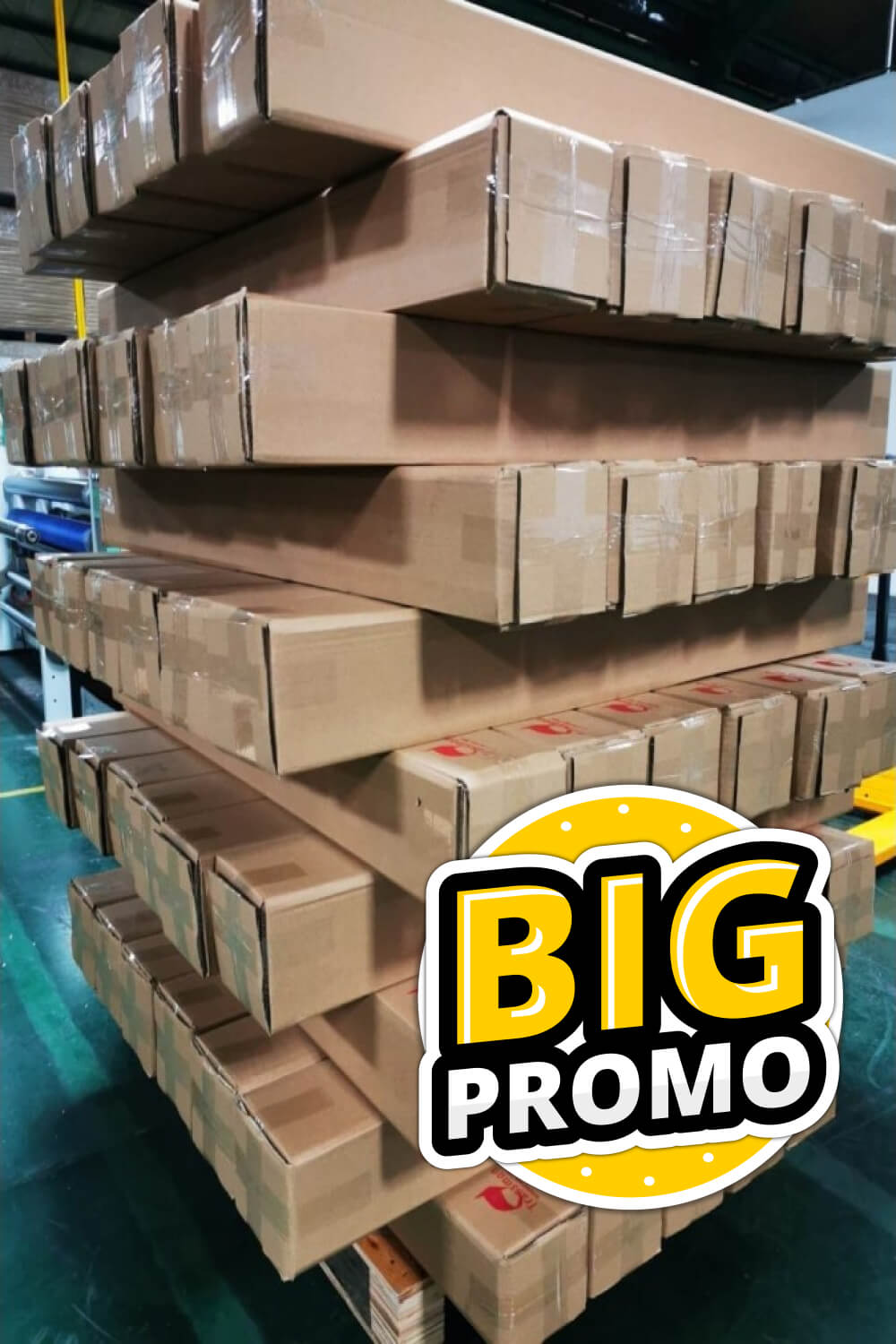
While enhancing your printing techniques cuts waste, strategic purchasing amplifies your savings potential. You’ll find substantial discounts when buying transfer paper in larger quantities from Texco.
Smart bulk purchasing isn’t just about ordering more – it’s about timing and storage. You’ll want to take into account your production schedule and storage capacity.
- Negotiate better rates by combining orders with other printing supplies like inks and materials
- Take advantage of Texco’s flexible payment plans for larger purchases
- Store transfer paper in climate-controlled areas to maintain quality
- Track usage patterns to enhance order quantities and timing
Partner with fellow printing businesses to share bulk orders if you’re just starting out. You’ll benefit from wholesale prices without overwhelming your storage space.
Remember to factor in Texco’s free business consultation to determine your best purchasing strategy.
Sustainable Recycling Practices
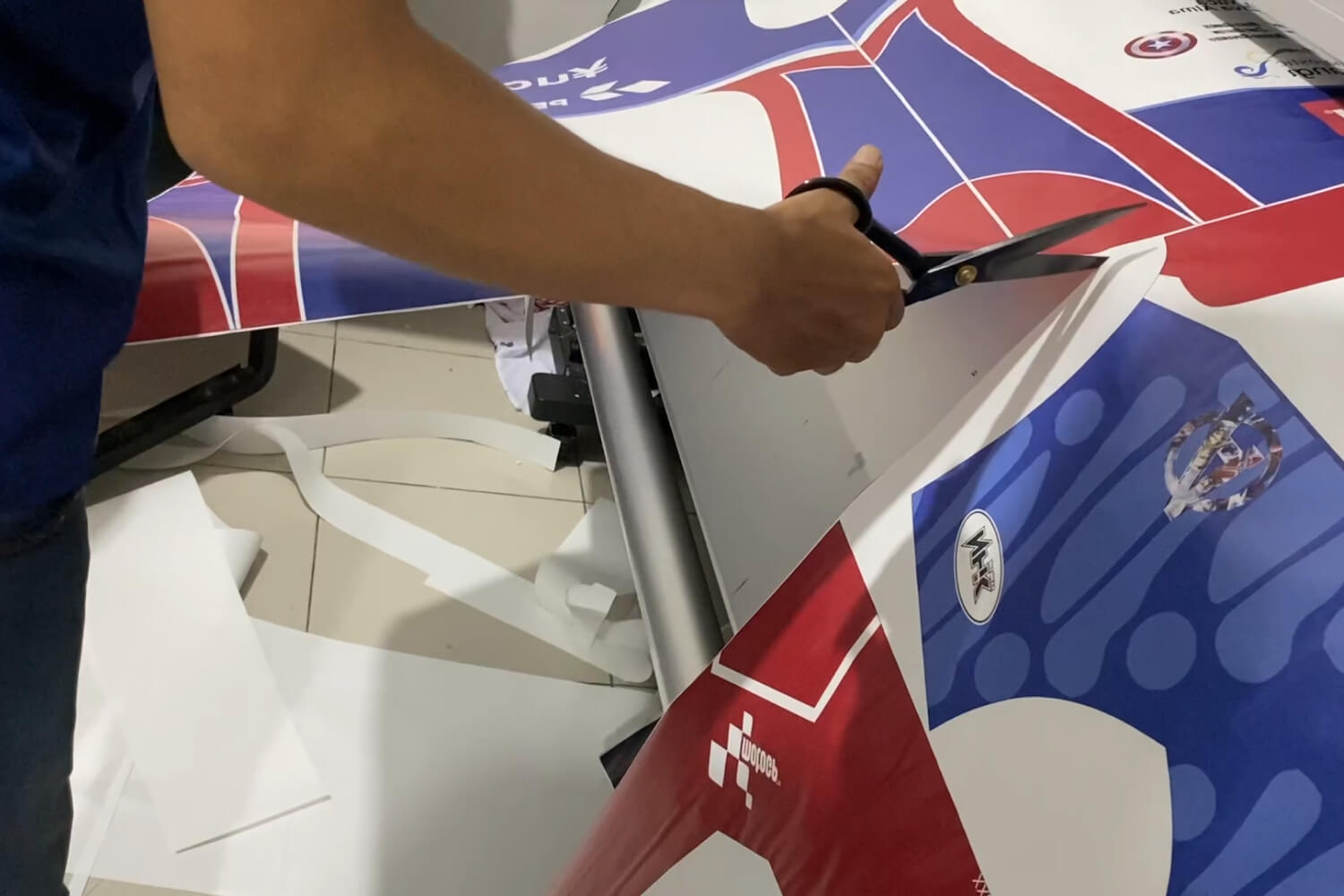
Beyond cost savings, implementing eco-friendly recycling practices aligns perfectly with Texco’s sustainability values. You’ll find that proper disposal methods can significantly reduce your environmental footprint.
Start by setting up clearly marked recycling bins for different types of transfer paper waste. You’ll want separate containers for clean scraps and used materials.
Let’s investigate how you can reuse clean transfer paper scraps for test prints and sample runs. These smaller pieces work great for experimenting with new designs.
Moving on to used transfer papers, you’ll benefit from partnering with local recycling facilities that handle specialty paper products. Many offer pickup services for business clients.
You might wonder about contaminated papers. Contact Texco’s support team for guidance on disposing of papers with chemical residues according to environmental regulations.
Conducting Cost Analysis

Understanding your transfer paper costs requires careful tracking and analysis. You need to monitor usage patterns and identify areas for cost optimization.
Let’s investigate the key metrics you’ll want to track for effective cost management:
- Cost per sheet compared across different suppliers and bulk purchase options
- Waste percentage from misprints and setup adjustments
- Storage conditions impact on paper longevity and quality
- Labor time spent on transfer paper handling and application
You might wonder about the best way to track these numbers. Start with a simple spreadsheet to log daily usage and costs.
Now that we comprehend the basics, consider implementing a monthly review system. It’ll help you spot trends and make data-driven decisions.
Remember to factor in your equipment efficiency ratings when calculating total costs.
Quality Control Implementation
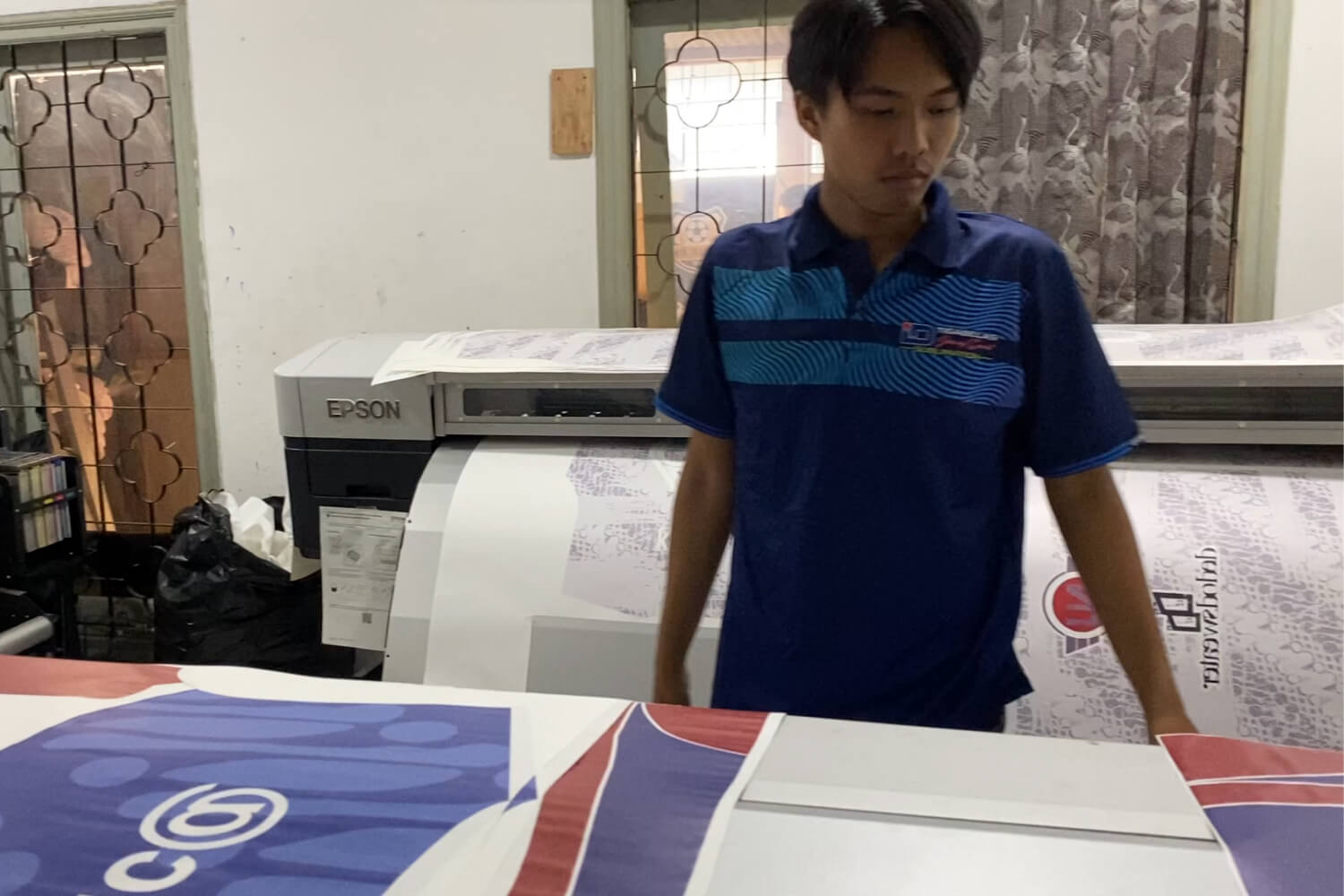
Since quality control directly impacts your bottom line, implementing a solid inspection system for transfer paper is essential.
You’ll want to establish clear quality benchmarks for your transfer paper stock. Check for consistent thickness, proper coating, and material integrity.
Let’s investigate the key inspection points you need to monitor. Examine paper surfaces for scratches, wrinkles, or uneven coating distribution.
Document every quality check using a simple checklist system. You’re protecting your investment with each inspection.
Make sure you’re testing sample prints before large production runs. It’s like taste-testing before serving a feast.
Store your transfer paper in climate-controlled conditions between 68-72°F. You’d be surprised how temperature fluctuations can affect quality.
Consider investing in a basic moisture meter. It’ll help you maintain ideal paper conditions.
The silica and binder coating on transfer paper requires careful handling to maintain its specialized properties for optimal sublimation results.
Conclusion and Action Steps
While maximizing your transfer paper’s value requires consistent effort, these cost-saving strategies will help you streamline operations and boost profitability. You’ll find that implementing these practices creates lasting impact on your bottom line.
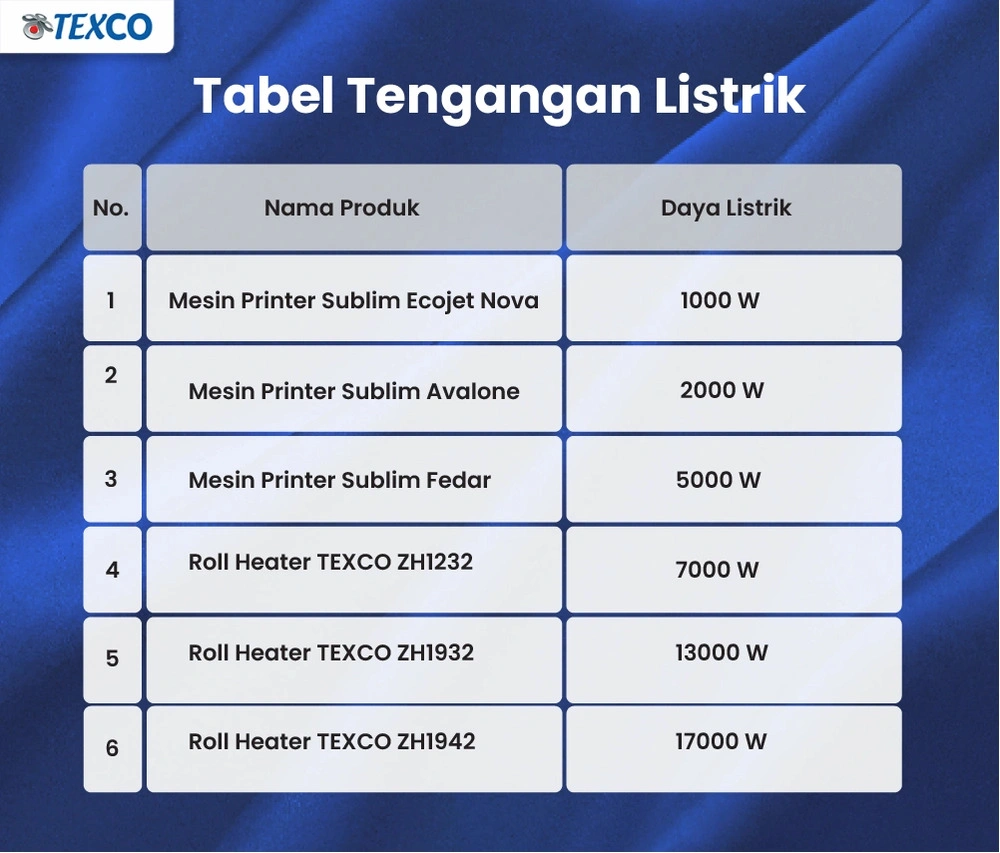
Modern low power consumption machines starting at 7000 watts help reduce operational costs while maintaining high-quality output.
Let’s wrap up with your action steps for immediate implementation:
- Start tracking your paper usage patterns and establish monthly benchmarks for waste reduction
- Implement quality control checkpoints before each print run to minimize material loss
- Schedule regular maintenance for your heat transfer machines to guarantee peak performance
- Partner with Texco for business consultations to refine your workflow
Remember that success in cost management isn’t about drastic changes. It’s about consistent, smart improvements to your daily operations. You’re now equipped to make informed decisions that’ll elevate your textile printing efficiency.
If you’re interested, take a look at the Transfer Paper Samples used in Digital Printing!