Top 16 Fabric Types For Dye-Sublimation Printing Use
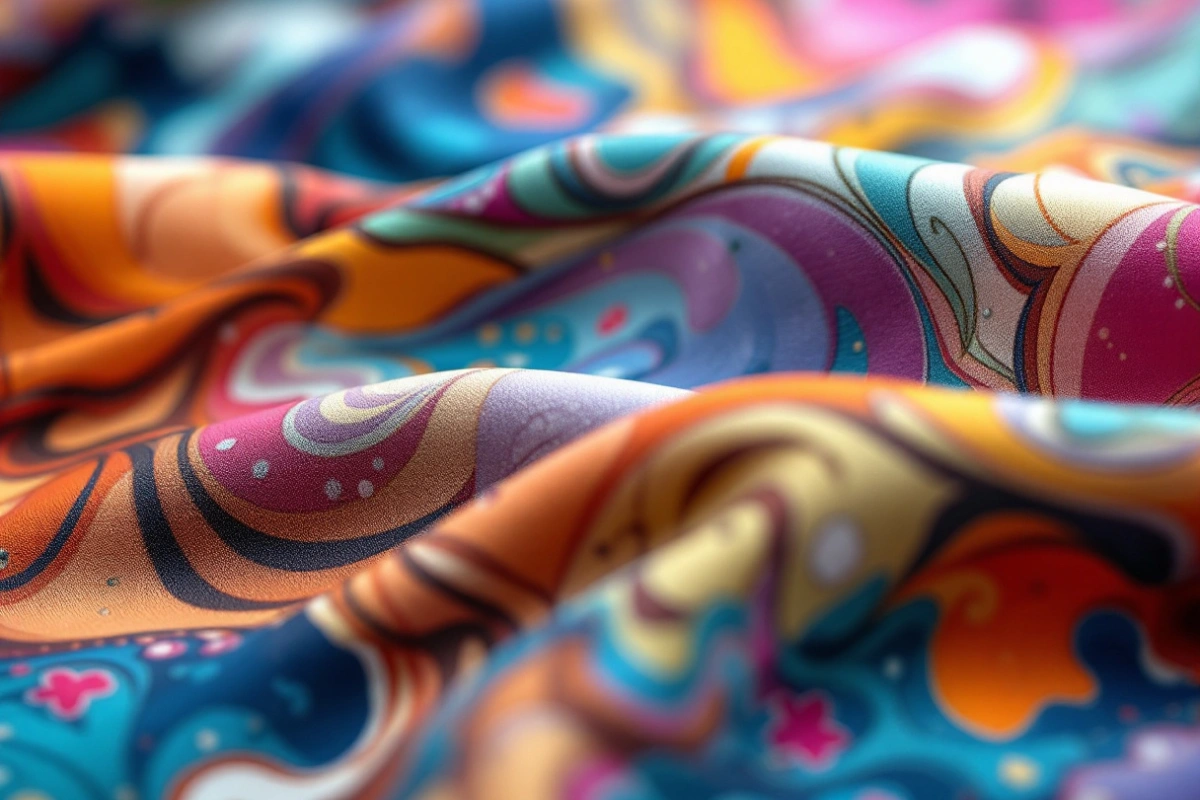
You’ll find several proven fabrics that excel for dye-sublimation printing, including versatile Jersey fabric with its polyester-elasticity blend, BSY fabric known for shape retention, and elegant Satin options that deliver stunning color absorption. Modern technical materials like Taslan and water-resistant polyester offer durability for outdoor applications, while specialty fabrics such as Scuba and Maxmara provide unique textures and exceptional print clarity. Each fabric type requires specific heat press settings and handling techniques, but when properly matched to your project, they’ll create vibrant, long-lasting results that’ll make your designs truly stand out.
Key Takeaways
- Polyester-rich fabrics like Jersey, BSY, and Satin (70%+ polyester content) deliver optimal color vibrancy and durability in sublimation printing.
- Specialized fabrics including Maxmara, Scuba, and Taslan offer unique properties for specific applications like sportswear and technical gear.
- Satin variants (velvet, silk, bridal) provide elegant options with high polyester content and excellent color absorption capabilities.
- Lightweight fabrics such as Voile and water-resistant materials excel in specific applications like decorative pieces and outdoor products.
- PE Twill and PE Calico offer versatile printing surfaces with strong color retention through multiple washes.
Recommended Fabrics for Sublimation Printing
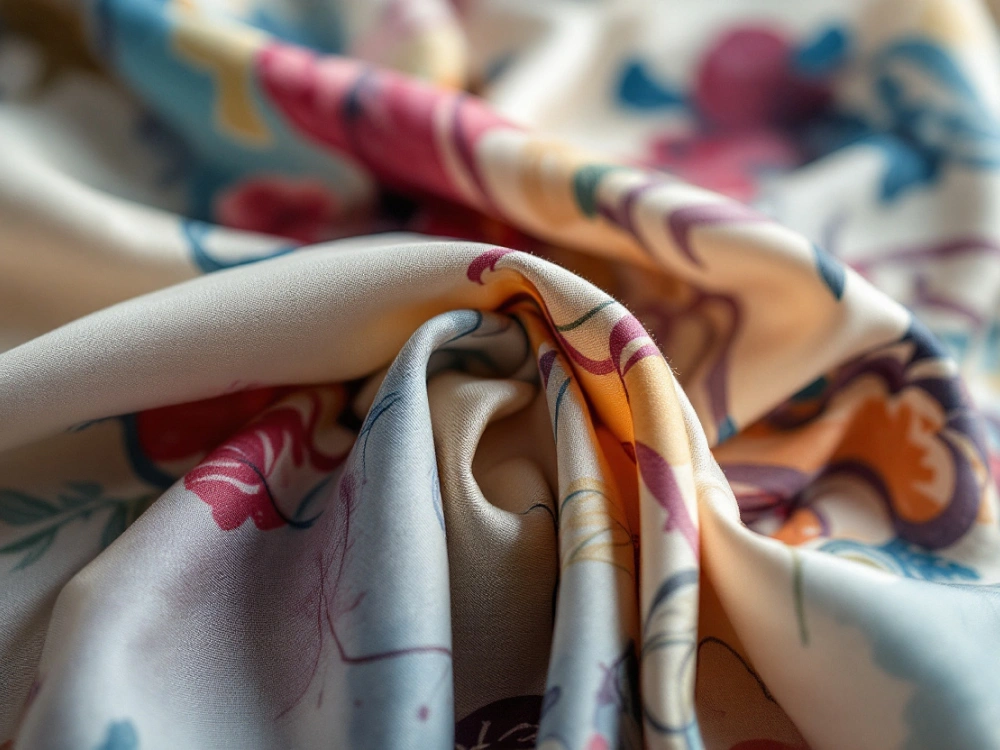
When you’re looking to start sublimation printing, you’ll want to get familiar with fabrics like Jersey and BSY that consistently deliver excellent results. You’ll find that Satin fabric and its variants, including Satin Velvet and Silk Satin, offer exceptional print quality due to their smooth surface texture and high polyester content. These fabrics will give you the vibrant colors and sharp details you’re aiming for in your sublimation printing projects.
1. Jersey Fabric
Jersey fabric stands among the most versatile materials for sublimation printing due to its unique blend of polyester and elasticity.
You’ll find jersey fabric incredibly adaptable for your sublimation projects. It’s perfect for both casual wear and athletic apparel.
The fabric’s natural stretch allows your designs to maintain their quality even when the material is pulled or stretched during wear.
You can expect excellent color vibrancy when working with jersey that has at least 70% polyester content. The higher the polyester percentage, the better your results will be.
Let’s investigate why jersey works so well: It’s lightweight, breathable, and maintains its shape after washing. These properties make it ideal for t-shirts, dresses, and sportswear.
When printing on jersey, you’ll want to adjust your heat press settings slightly lower than standard to protect the fabric’s stretch properties.
2. BSY (Bi-Shrinkage Yarn) Fabric
BSY fabric represents another excellent choice for sublimation printing, offering unique properties that set it apart from jersey materials.
You’ll find BSY fabric particularly appealing for its bi-shrinkage properties, which help maintain shape after printing and washing.
The unique yarn structure of BSY fabric allows for exceptional color absorption during the sublimation process. You’ll get vibrant, long-lasting prints that won’t fade easily.
Let’s examine its key features. BSY fabric offers excellent stretch recovery and dimensional stability. You won’t have to worry about your designs becoming distorted over time.
Have you ever noticed how some printed fabrics lose their shape? That’s not an issue with BSY fabric. Its specialized construction guarantees your designs stay crisp and professional-looking through multiple washes.
You’ll appreciate BSY fabric’s smooth surface texture, which creates the perfect canvas for your sublimation artwork.
3. Satin Fabric
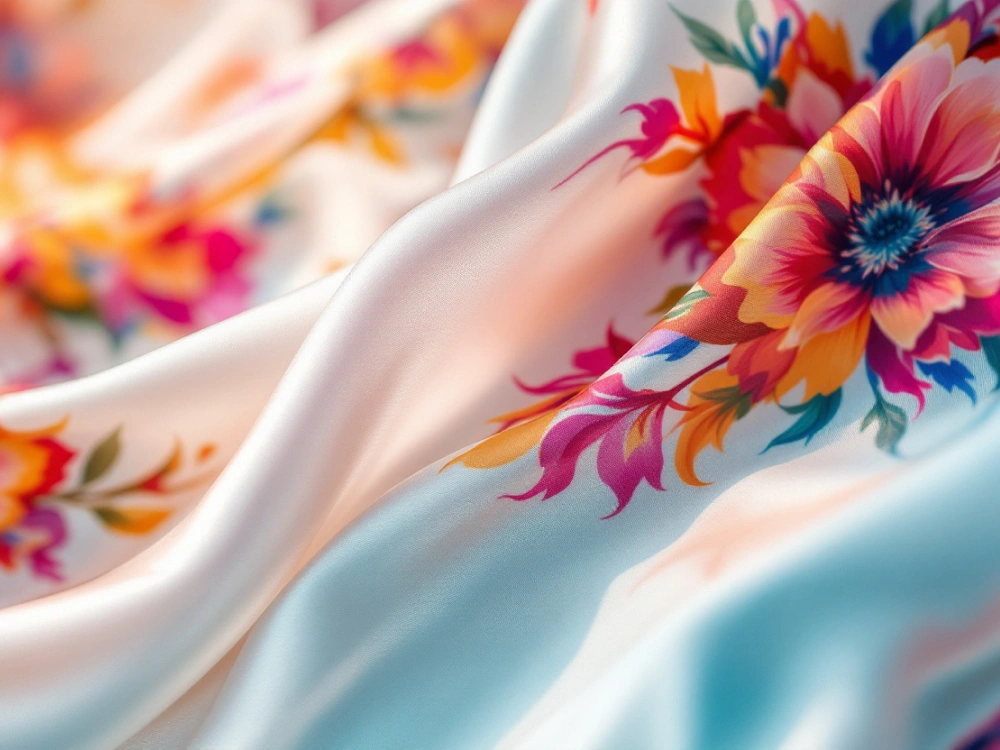
Elegance meets functionality in satin fabric, making it a top choice for sublimation printing projects. You’ll love how its smooth, glossy surface creates stunning, vibrant prints that catch the light.
Let’s investigate why satin fabric works so well for sublimation. Its polyester content (usually 70-100%) guarantees excellent color absorption and durability.
You might wonder about the different types available. Common variants include satin velvet, silk satin, and bridal satin – each offering unique finishing options for your projects.
Have you noticed how satin’s characteristic sheen improves your designs? The fabric’s tight weave and lustrous surface make your prints pop with remarkable clarity.
Moving on to practical applications, you’ll find satin fabric perfect for formal wear, decorative items, and promotional products that demand a premium look.
4. Satin Velvet Fabric
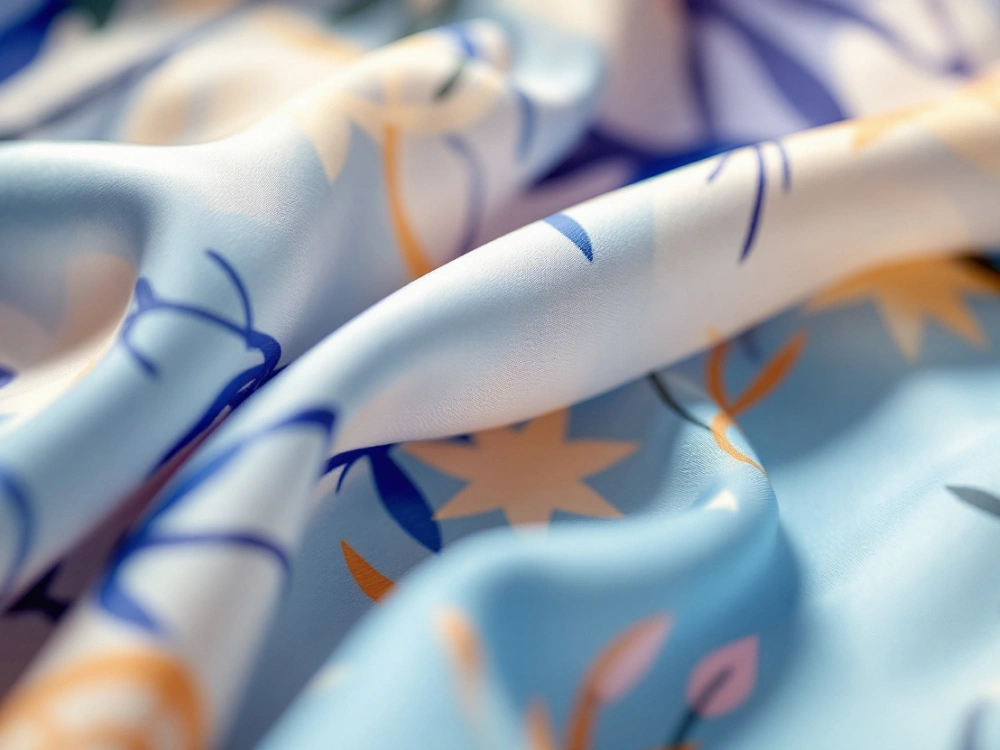
In recent years, satin velvet fabric has emerged as a luxurious option for sublimation printing, combining the smooth sheen of traditional satin with velvet’s plush texture.
You’ll find this fabric offers exceptional color vibrancy and depth due to its unique dual-surface construction.
The fabric’s polyester content means you can achieve stunning sublimation results with remarkable detail retention.
When you’re printing on satin velvet, you’ll notice how the raised pile creates an almost 3D effect for your designs.
Let’s investigate its key features:
- High color absorption rate
- Rich, dimensional appearance
- Excellent durability
- Premium feel and drape
- Ideal for home décor and fashion items
You’ll want to maintain consistent heat pressure to guarantee the best print results on both the satin base and velvet surface.
Moving on to practical applications, this fabric excels in creating high-end pillowcases, wall hangings, and luxury apparel.
5. Silk Satin Fabric
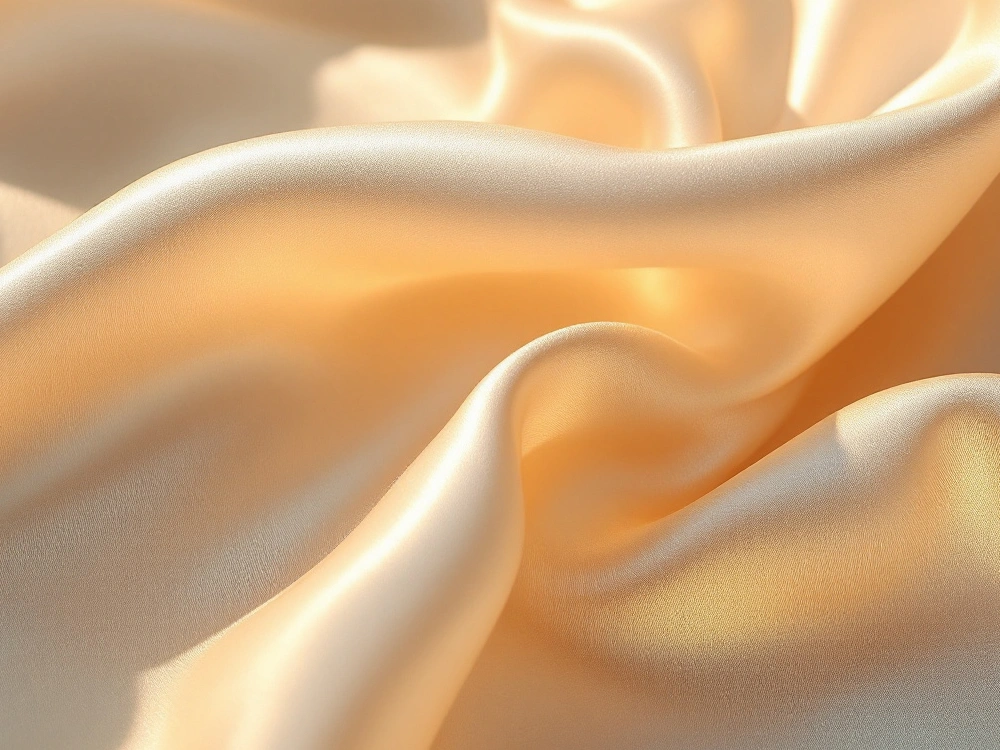
Renowned for its lustrous sheen and smooth texture, silk satin fabric stands as a premium choice for sublimation printing projects. You’ll find this fabric offers exceptional color vibrancy and detail retention.
Silk satin’s tight weave structure allows for crisp, high-resolution prints that won’t blur or fade. You’ll notice how the fabric’s natural sheen improves your designs.
When working with silk satin, you can expect superior draping qualities and a luxurious feel. The fabric’s smooth surface guarantees consistent ink absorption.
You’ll want to maintain proper heat settings between 380-400°F for best results. The polyester content in silk satin helps lock in colors permanently.
Let’s examine how this fabric performs particularly well with photographic transfers and intricate patterns. Your clients will appreciate the upscale look it provides.
6. Bridal Satin Fabric
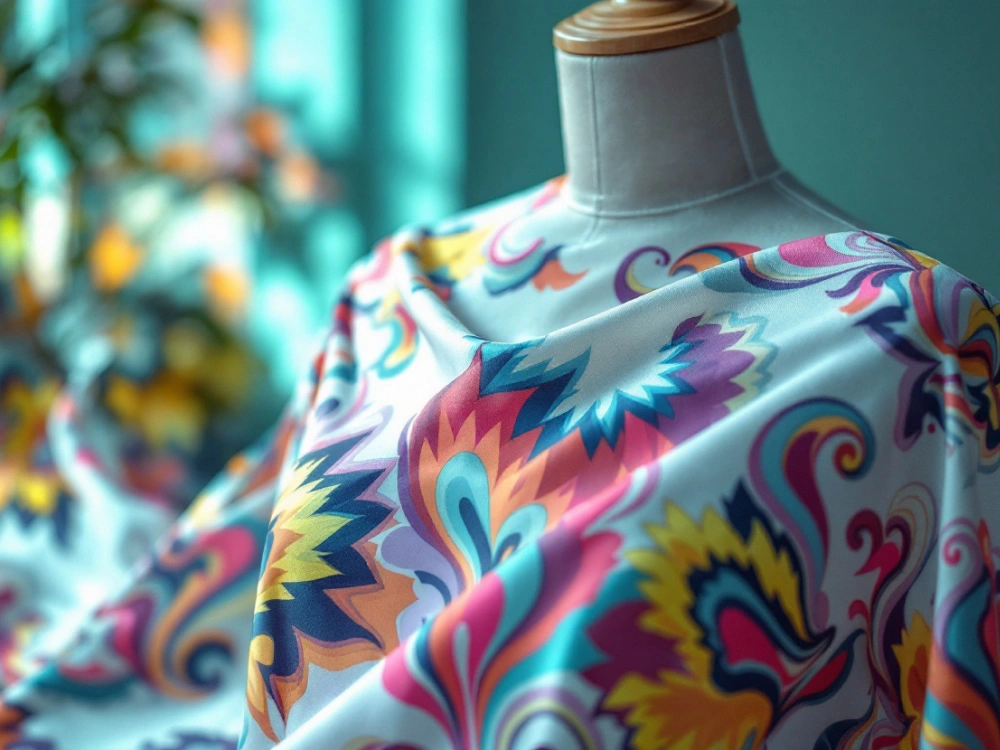
A favorite among wedding designers, bridal satin fabric delivers exceptional results for sublimation printing projects. You’ll love its luxuriously smooth surface and elegant sheen.
This premium fabric contains a high polyester content that’s perfect for vibrant color transfer. You can expect your designs to pop with stunning clarity.
The dense weave of bridal satin guarantees your prints maintain their crispness. Its heavyweight construction prevents color bleeding or distortion.
You’ll find bridal satin particularly suitable for formal wear and special occasion pieces. The fabric’s natural luster improves your sublimated designs.
Let’s examine its key features:
- 100% polyester composition
- Thick, durable construction
- Mirror-like finish
- Excellent color retention
- Minimal stretching during printing
- Professional-grade results
7. Canvas Fabric
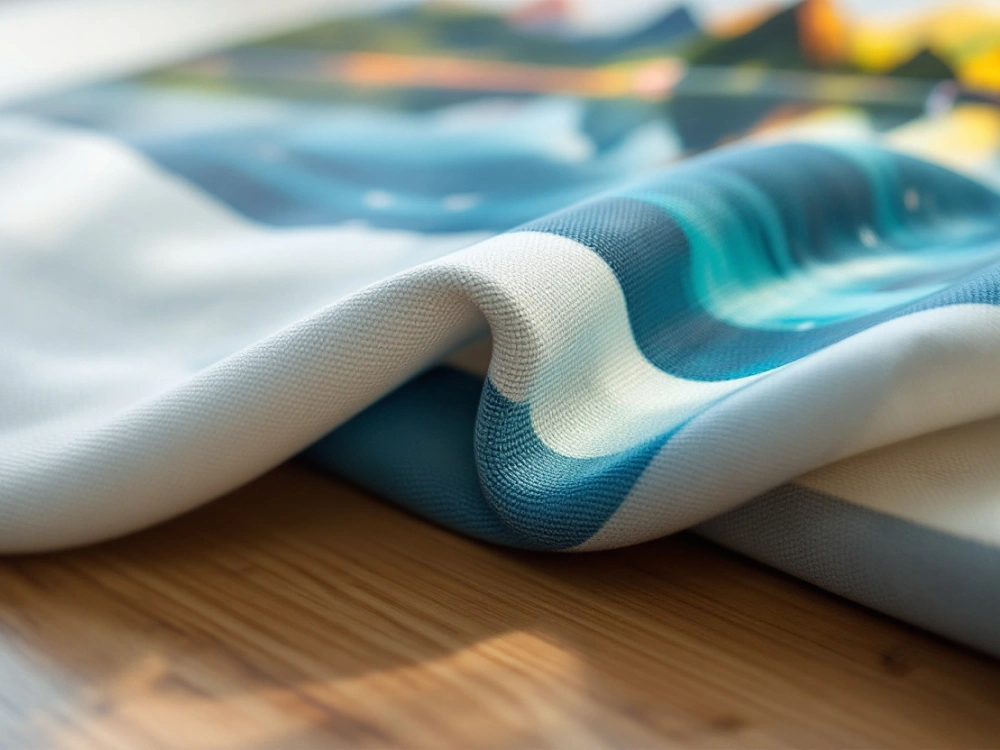
Canvas fabric stands as one of the most versatile options for sublimation printing, offering exceptional durability and a textured surface that’s perfect for art reproduction and home decor pieces.
You’ll find that canvas for sublimation comes in various weights and textures. The polyester-blend versions work best for vibrant color transfer.
Let’s investigate why artists love this medium. Your prints will maintain their integrity even with heavy handling and exposure to light.
Have you ever noticed how gallery-quality canvas prints seem to pop with dimension? That’s because the fabric’s natural texture adds depth to your designs.
You can use sublimated canvas for wall art, photo displays, and even fashionable tote bags. Its sturdy construction guarantees your creations will last for years.
8. Chiffon Fabric
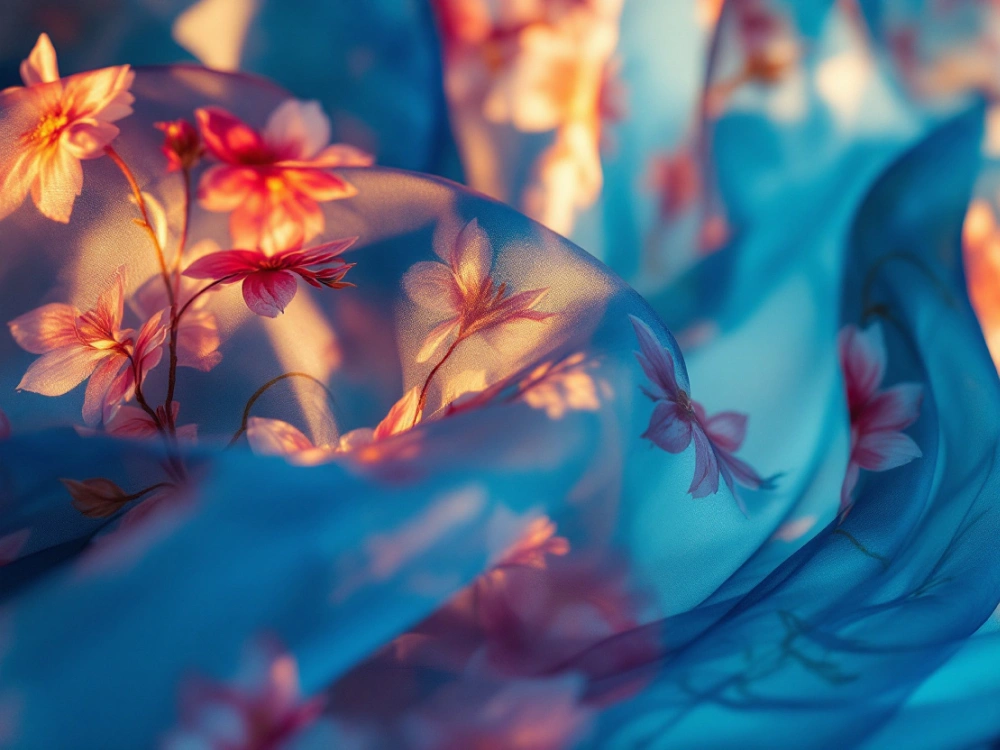
Made from finely woven polyester threads, chiffon fabric offers a delicate, sheer texture that’s perfect for sublimation printing on lightweight garments and accessories. You’ll find this versatile material creates stunning results for scarves, shawls, and flowing dresses.
When you’re working with chiffon fabric, you’ll notice how it accepts dye-sublimation ink beautifully. The semi-transparent nature of the material creates an ethereal effect with your designs.
Let’s investigate the practical side. Chiffon fabric requires careful handling during the printing process due to its lightweight nature. You’ll want to adjust your heat press settings accordingly.
Have you ever noticed how chiffon seems to float? That’s because it typically weighs between 12-30 GSM, making it ideal for creating eye-catching displays of your sublimated artwork.
9. Rayon Fabric (Santung is a type of Rayon)
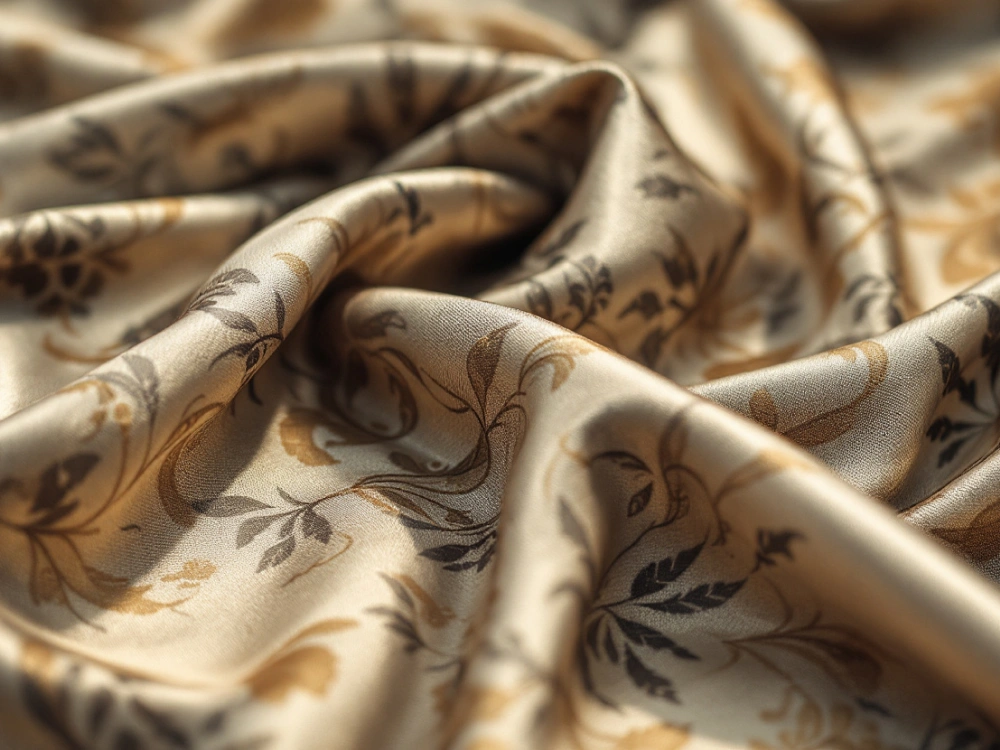
Sourced from natural cellulose fibers, rayon fabric offers unique properties for sublimation printing when blended with polyester.
You’ll find that rayon’s natural sheen and silky texture create stunning print results when properly blended. The key is using a fabric mix with at least 70% polyester content.
Let’s investigate Santung, a popular type of rayon that’s perfect for sublimation. This fabric offers excellent drape and a slightly textured surface.
When working with rayon blends, you’ll need to adjust your heat press settings carefully. The natural fibers require gentler handling than pure polyester.
You might wonder about durability. While pure rayon isn’t ideal for sublimation, polyester-rayon blends offer the best of both worlds – natural comfort with synthetic printing capabilities.
Remember to test your specific rayon blend before starting large projects.
10. Maxmara Fabric
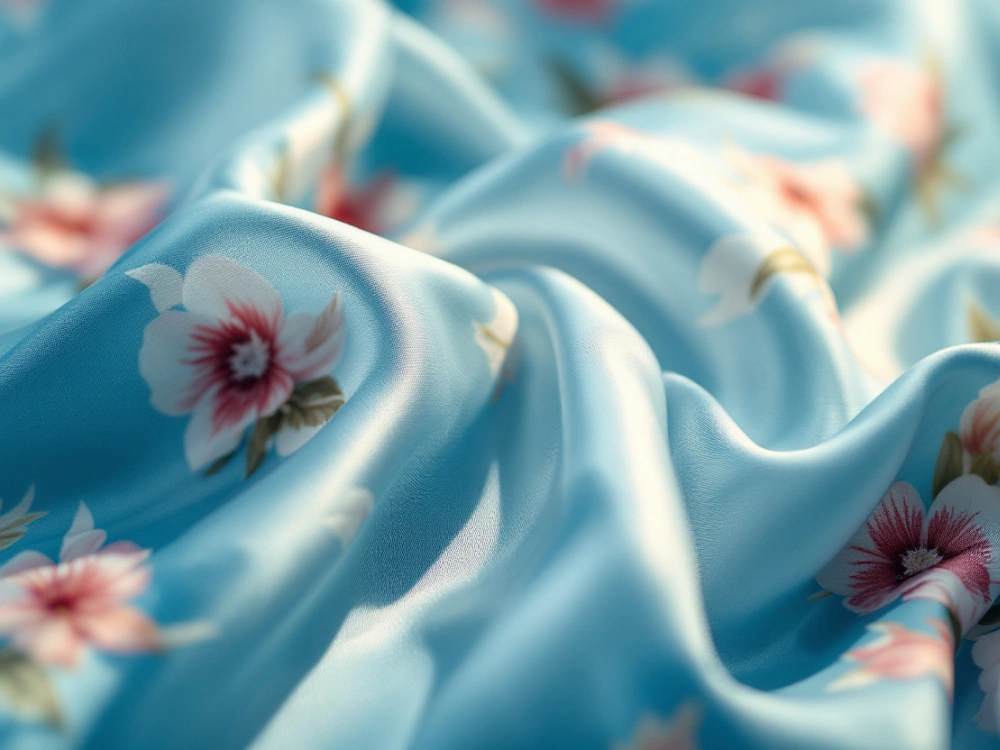
Moving beyond rayon blends, Maxmara fabric stands out as an excellent choice for sublimation printing with its smooth, satin-like texture. You’ll love how this innovative material combines the elegance of satin with improved breathability.
Let’s investigate what makes Maxmara fabric special. Its unique weaving technique creates a smooth and glossy surface that’s perfect for vibrant sublimation prints.
You might wonder about comfort – that’s where Maxmara truly shines. Unlike traditional satin, it’s more comfortable to wear and won’t make you feel sweaty.
The fabric’s exceptional smoothness guarantees your designs come out crystal clear. You’ll get outstanding color saturation and sharp detail retention in your prints.
For best results, you’ll want to maintain proper heat press settings when working with Maxmara fabric.
11. Voile Fabric
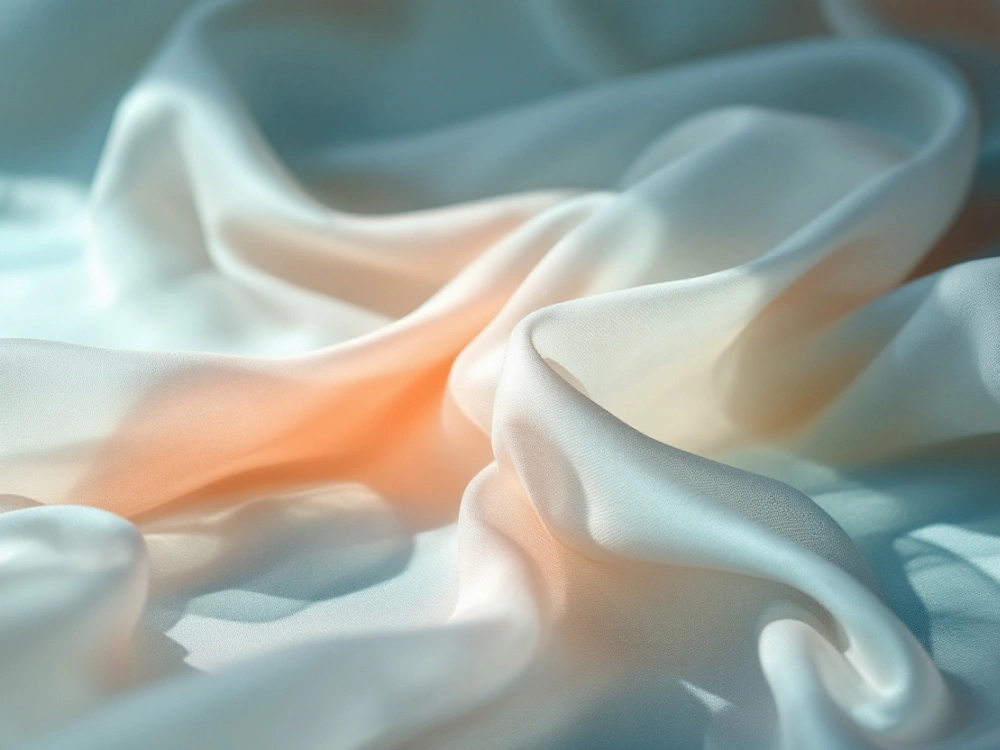
Fashion designers and crafters often turn to voile fabric for its ethereal lightweight quality and versatility in sublimation printing.
You’ll love how voile’s sheer, delicate weave creates stunning printed designs with vibrant color transfer. Its fine texture allows for exceptional detail retention in your sublimated patterns.
When you’re working with voile fabric, you’ll notice it’s incredibly easy to shape and drape. This makes it perfect for flowing garments and decorative pieces.
The fabric’s low shrinkage rate means your printed designs will stay true to size after heat application. You’ll get consistent results every time.
For best sublimation results, choose polyester voile variants over cotton ones. The higher polyester content guarantees your prints remain vivid and long-lasting.
12. Scuba Fabric
While voile excels in lightweight applications, scuba fabric offers a completely different set of qualities for sublimation printing.
You’ll love working with scuba fabric’s soft, stretchy texture that’s perfect for athletic wear and form-fitting garments.
This polyester-spandex blend gives you excellent color vibrancy when sublimating, thanks to its high synthetic content.
Let’s examine what makes scuba fabric special. It’s incredibly durable and resists tears while maintaining its shape after repeated use.
You’ll find it’s particularly well-suited for sportswear, masks, and performance clothing that requires both comfort and durability.
The fabric’s smooth surface guarantees your sublimated designs come out crisp and clear. Plus, its elastic properties mean your prints won’t crack or fade when stretched.
Have you noticed how scuba fabric feels cool to the touch? That’s another reason it’s ideal for active wear applications.
13. Polyester Water-Resistant Fabric (Commonly Known as Parachute Material)
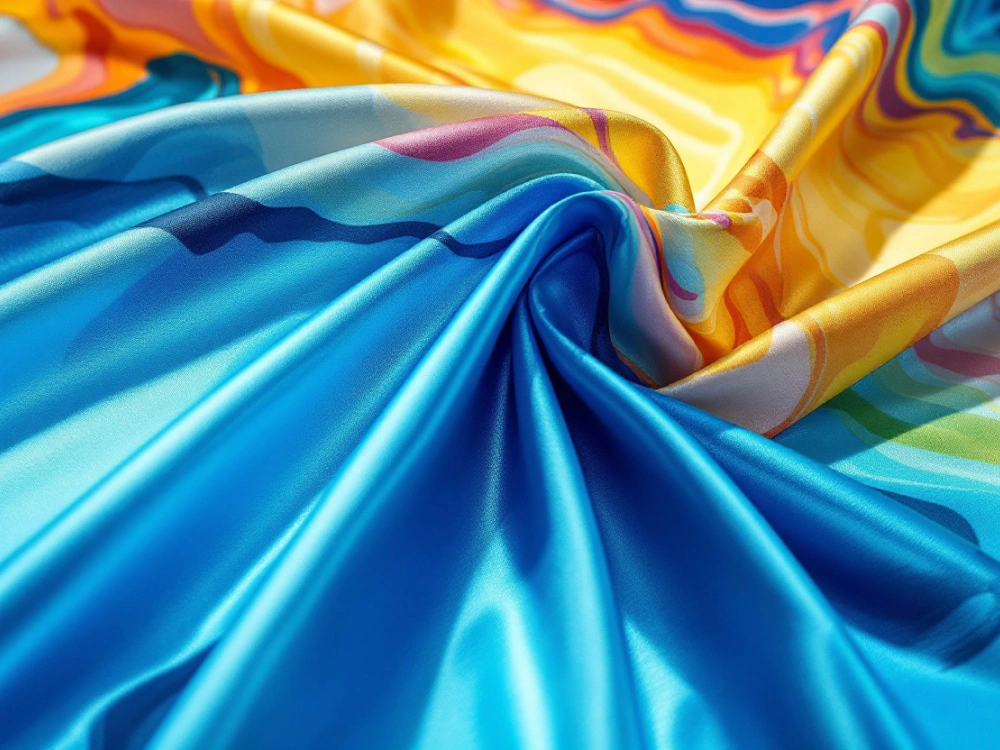
Polyester water-resistant fabric, commonly called parasut or parachute material, offers unique advantages for sublimation printing. You’ll find this lightweight yet durable material perfect for outdoor products and sportswear.
When you’re working with this polyester fabric for sublimation, you’ll notice its thin, smooth surface readily accepts dye transfer. The material’s water-resistant properties make it ideal for banners and outdoor displays.
You might appreciate how this fabric maintains color vibrancy even after exposure to elements. Its quick-drying nature adds practical value to your printed products.
Let’s investigate its key features: it’s tear-resistant, lightweight, and highly portable. You can easily fold it without damaging the printed design.
The fabric’s non-breathable nature makes it excellent for protective covers and weather-resistant applications.
14. Taslan Fabric
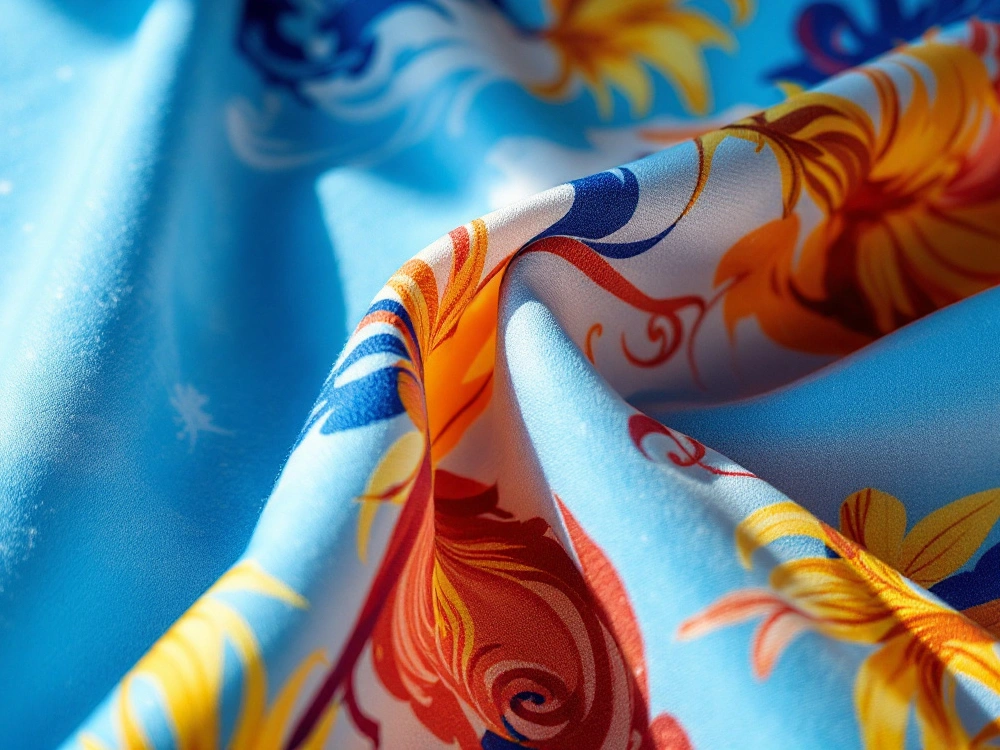
Moving from water-resistant materials to modern technical fabrics, Taslan stands out as a high-performance option for sublimation printing.
You’ll find that Taslan fabric combines the strength of nylon with the printability of polyester. It’s engineered to deliver outstanding durability while maintaining a soft, natural feel.
Let’s examine what makes Taslan special. The fabric features a unique texture created through air-jet texturizing, giving it that distinctive matte finish you’ve probably noticed on premium sportswear.
When you’re printing on Taslan, you’ll get vibrant color retention and exceptional detail clarity. The fabric’s structure allows dye to penetrate deeply and bond permanently.
The material excels in outdoor applications where you need both style and functionality. It’s perfect for creating athletic wear, windbreakers, and technical gear that demands both aesthetics and performance.
15. Polyester (PE) Twill Fabric
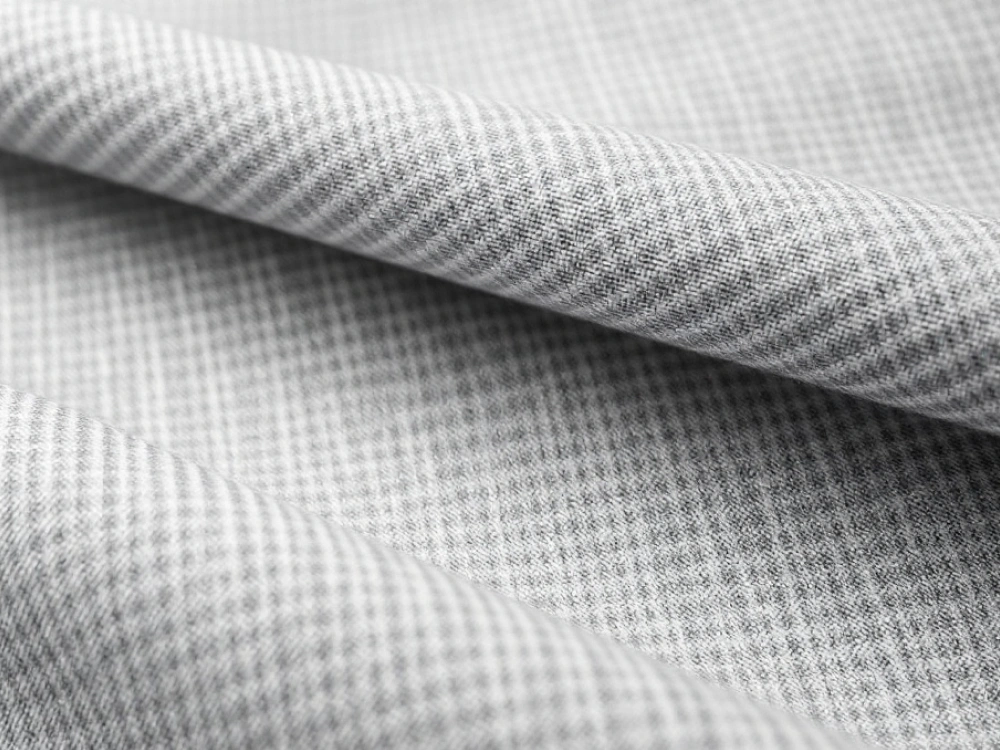
Among the diverse range of fabrics suitable for sublimation printing, PE Twill stands out for its distinctive diagonal weave pattern and exceptional print clarity.
You’ll love how polyester twill’s unique construction creates depth and texture in your prints. Its diagonal lines add visual interest while maintaining excellent color absorption.
The fabric’s tight weave guarantees your designs come out sharp and vibrant. You won’t have to worry about image distortion or color bleeding.
PE Twill offers durability that’ll keep your prints looking fresh through multiple washes. Its medium weight makes it perfect for everyday garments and accessories.
The fabric’s versatility allows you to create everything from casual wear to corporate uniforms. You’ll appreciate its wrinkle-resistant properties and easy care requirements.
16. Polyester (PE) Calico Fabric (Blacu PE)
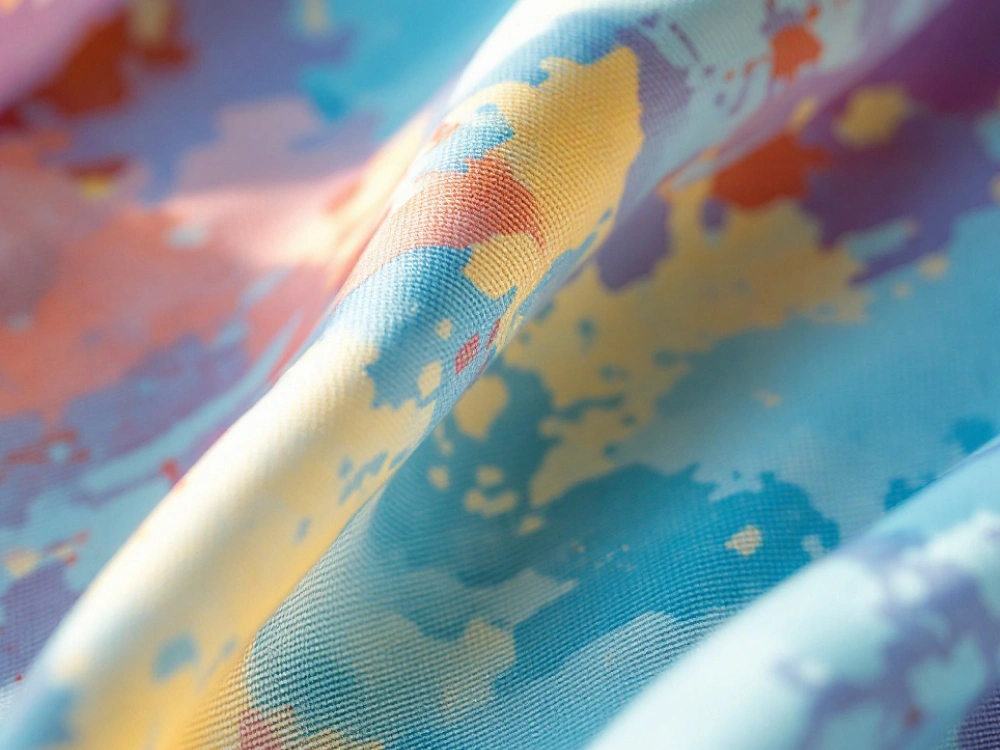
In terms of versatile sublimation printing fabrics, PE calico (Blacu PE) offers an unfinished yet adaptable surface that’s ideal for vibrant designs.
You’ll find that this polyester-based fabric maintains the classic calico texture while providing excellent dye absorption properties. It’s perfect when you’re looking for that natural, raw aesthetic.
Let’s investigate why PE calico stands out among dye-sublimation fabrics. You get the rustic charm of traditional calico with improved color retention.
The fabric’s unfinished surface creates unique printing opportunities. Your designs will have c distinctive matte appearance that many customers prefer.
You might wonder about its durability. PE calico holds up well through multiple washes while maintaining its print quality.
Moving on to practical applications, you’ll find it works great for tote bags, wall hangings, and decorative items.
Conclusion
Your fabric choice is like selecting the perfect canvas for a masterpiece. With these 16 polyester-rich materials at your fingertips, you’re well-equipped to create vibrant, lasting sublimation prints that’ll bring your designs to life. Whether you’re working with jersey’s comfort or satin’s luxurious sheen, you’ve got the knowledge to match your project with its ideal fabric companion. Now it’s time to let your creativity soar.
If you wish to gain a deeper understanding of the type of printer suitable for printing on the aforementioned materials, please visit this Product Page.
Frequently Asked Questions
Can I Use Sublimation Printing on Dark-Colored Fabrics?
You’ll get poor results using sublimation on dark fabrics since the process requires light-colored or white polyester materials to show vibrant prints. Consider alternative methods like heat transfer vinyl instead.
How Long Should I Pre-Heat My Fabric Before Sublimation Printing?
You’ll want to pre-heat your fabric for 5-10 seconds at 400°F (204°C) to remove moisture and wrinkles, ensuring ideal ink transfer when you begin the sublimation printing process.
What Temperature Settings Work Best for Different Fabric Thicknesses?
You’ll need 375-385°F for thin fabrics, 385-395°F for medium-weight materials, and 395-405°F for thick fabrics. Adjust your pressure and time settings accordingly for best results.
Does Fabric Shrinkage Affect the Final Print Quality?
While you might worry about shrinkage ruining prints, you’ll find it actually impacts quality significantly. You’ll need to pre-shrink fabrics and account for 2-3% shrinkage when designing your sublimation projects.
Can I Blend Different Fabric Types to Achieve Specific Printing Effects?
You can blend fabrics to create unique effects, but guarantee the polyester content stays above 70%. Combining satin with jersey or scuba with maxmara can produce interesting texture variations in your prints.