10 T-Shirt Materials Perfect for DTF Printing Success
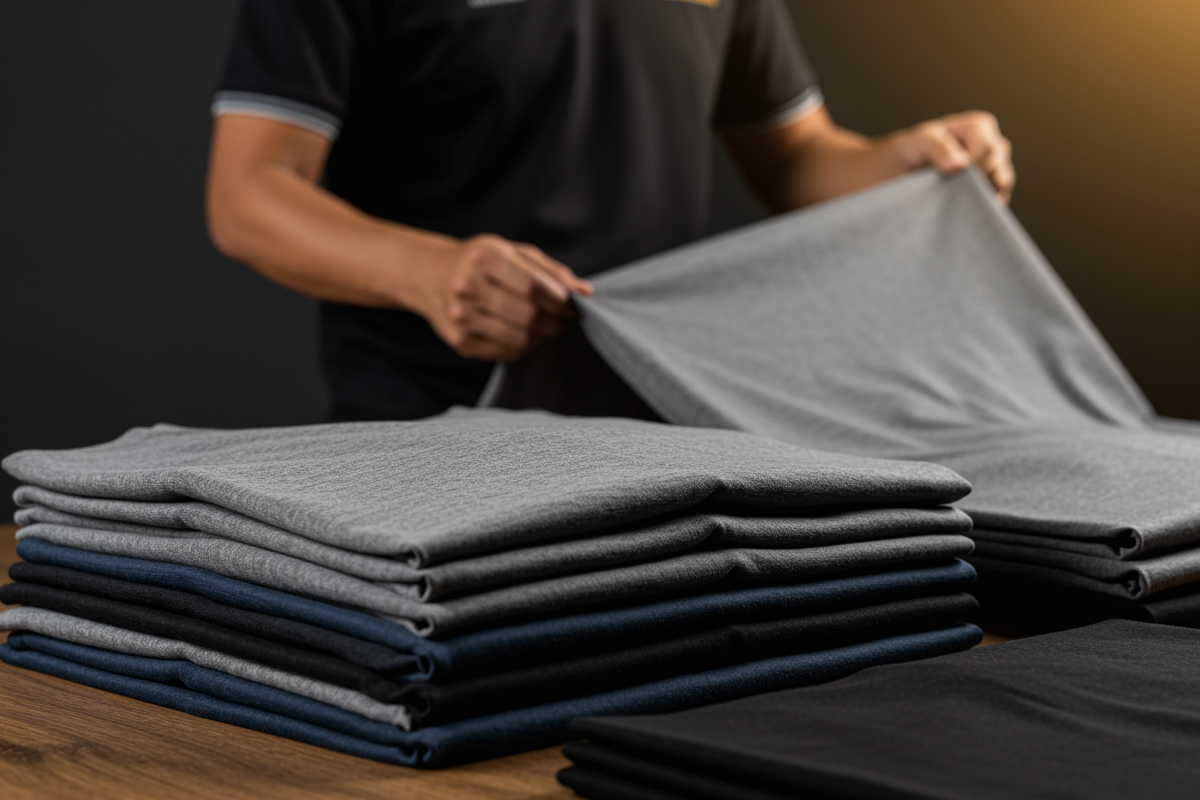
DTF printing works great on several fabric types for your custom t-shirt business. Your best options include 100% cotton (both carded and combed), cotton-polyester blends, bamboo cotton, and rayon cotton for their excellent ink adhesion and color vibrancy. Spandex blends with 5-15% stretch content also perform well. You’ll get ideal results using smooth, tight-weave materials that readily accept transfer film. Let’s investigate the specific benefits each material brings to your DTF printing projects.
Key Takeaways
- 100% combed cotton offers superior print quality and durability, with a refined surface that’s perfect for detailed DTF designs.
- Cotton-polyester blends combine affordability with excellent ink adhesion, making them ideal for high-volume DTF printing projects.
- Bamboo cotton provides eco-friendly benefits while maintaining exceptional DTF print compatibility and natural moisture-wicking properties.
- Spandex-blend materials (5-15% content) allow for stretch while maintaining print integrity and preventing design cracking.
- Rayon cotton delivers silky-smooth texture and superior color vibrancy, with excellent DTF transfer adhesion and breathability.
Understanding Direct-to-Film (DTF) Printing Technology
While digital printing methods have evolved rapidly over the years, DTF printing stands out as a game-changing technology that’s transforming the t-shirt printing industry.
You’ll find DTF printing offers remarkable versatility for your t-shirt materials. It works by printing designs onto a special film before transferring them to fabric.
Unlike traditional methods, you won’t need to worry about fabric color or composition. DTF printing adapts to cotton, polyester, or blended materials.
The process is straightforward: your design gets printed on film, covered with adhesive powder, and heat-pressed onto the garment. You’ll get vibrant, durable results that feel soft to touch.
Modern DTF printers like the Sublistar DTF-600 can achieve 600 dpi resolution for exceptional print quality on garments.
Top T-Shirt Materials Ideal for DTF Printing
When choosing t-shirt materials for DTF printing, you’ll want to focus on fabrics that provide excellent ink adhesion and color vibrancy.
Cotton blends work exceptionally well with dtf transfer technology, offering both comfort and reliable print results. You’ll get superior outcomes with 100% cotton or cotton-polyester blends.
Performance fabrics like polyester and moisture-wicking materials also accept DTF prints beautifully. These materials create vibrant, long-lasting designs.
Natural fibers including bamboo and hemp respond well to DTF printing. They’re gaining popularity among eco-conscious customers.
For premium results, select materials with a smooth, tight weave. This guarantees your designs transfer cleanly and hold up well.
Carded Cotton: Affordable and Versatile

Carded cotton stands out as one of the most budget-friendly and adaptable materials for DTF printing.
You’ll find this fabric type for printing particularly receptive to DTF transfers, delivering vibrant colors that withstand regular washing.
Unlike premium cotton varieties, carded cotton offers a cost-effective solution without compromising much on quality. You’re getting excellent value for your investment.
When printing on cotton of this variety, you’ll notice it readily accepts the transfer film with minimal resistance. The natural fibers create an ideal surface for DTF adhesion.
The material’s versatility makes it perfect for both casual wear and promotional items.
Combed Cotton: Premium Softness and Quality

Combed cotton represents the next level up in t-shirt material quality. You’ll notice its distinctly smoother texture compared to standard cotton, as the combing process removes shorter fibers and impurities.
When you’re using dtf printing equipment on combed cotton, you’ll get sharper, more vibrant prints that last longer. The refined surface creates an ideal canvas for detailed designs.
Your customers will appreciate the premium feel against their skin. Combed cotton t-shirts typically have better durability and less pilling than regular cotton options.
While it costs more than carded cotton, the superior print results and improved comfort make it worth the investment.
Bamboo Cotton: Eco-Friendly and Sustainable

Bamboo cotton blends offer you an innovative mix of sustainability and printing performance. You’ll find these professional textile solutions deliver exceptional softness while maintaining durability.
When you’re looking to enhance your DTF printing projects, bamboo cotton provides natural moisture-wicking properties. Your customers will appreciate the eco-friendly appeal.
You’ll notice the fabric’s smooth surface creates an ideal canvas for DTF transfers. The natural fibers guarantee vibrant color retention.
The material’s breathability makes it perfect for year-round wear. You’re getting the best of both worlds – cotton’s comfort with bamboo’s environmental benefits.
Modal Cotton: Luxurious Texture and Comfort

Modal cotton takes luxury to new heights in DTF printing. You’ll love how this premium fabric blend combines the best of both materials for exceptional results.
When you apply direct-to-film printing to modal cotton, you’re working with a fabric that’s 50% softer than regular cotton. Your designs will pop beautifully on its smooth surface.
You’ll appreciate modal cotton’s natural sheen and drape that enhances your printed creations. It’s also highly durable, maintaining its luxurious feel even after multiple washes.
This eco-friendly material absorbs DTF ink perfectly, ensuring vibrant, long-lasting prints that your customers will adore.
U.S. Pima Cotton: High-End Textile Excellence

In terms of premium DTF printing, U.S. Pima cotton stands out as your ultimate choice for professional print solutions. You’ll appreciate its exceptionally long staple fibers that create an ultra-smooth surface for your designs.
When you’re working with cotton printing on Pima, you’ll notice how the material’s natural sheen improves your DTF transfers. Its durability means your prints won’t fade or crack after multiple washes.
You’ll find that U.S. Pima cotton’s superior quality justifies its higher price point. Your customers will immediately feel the difference in its silky texture and premium weight that’s perfect for high-end apparel collections.
Japanese Cotton: Renowned for Superior Quality
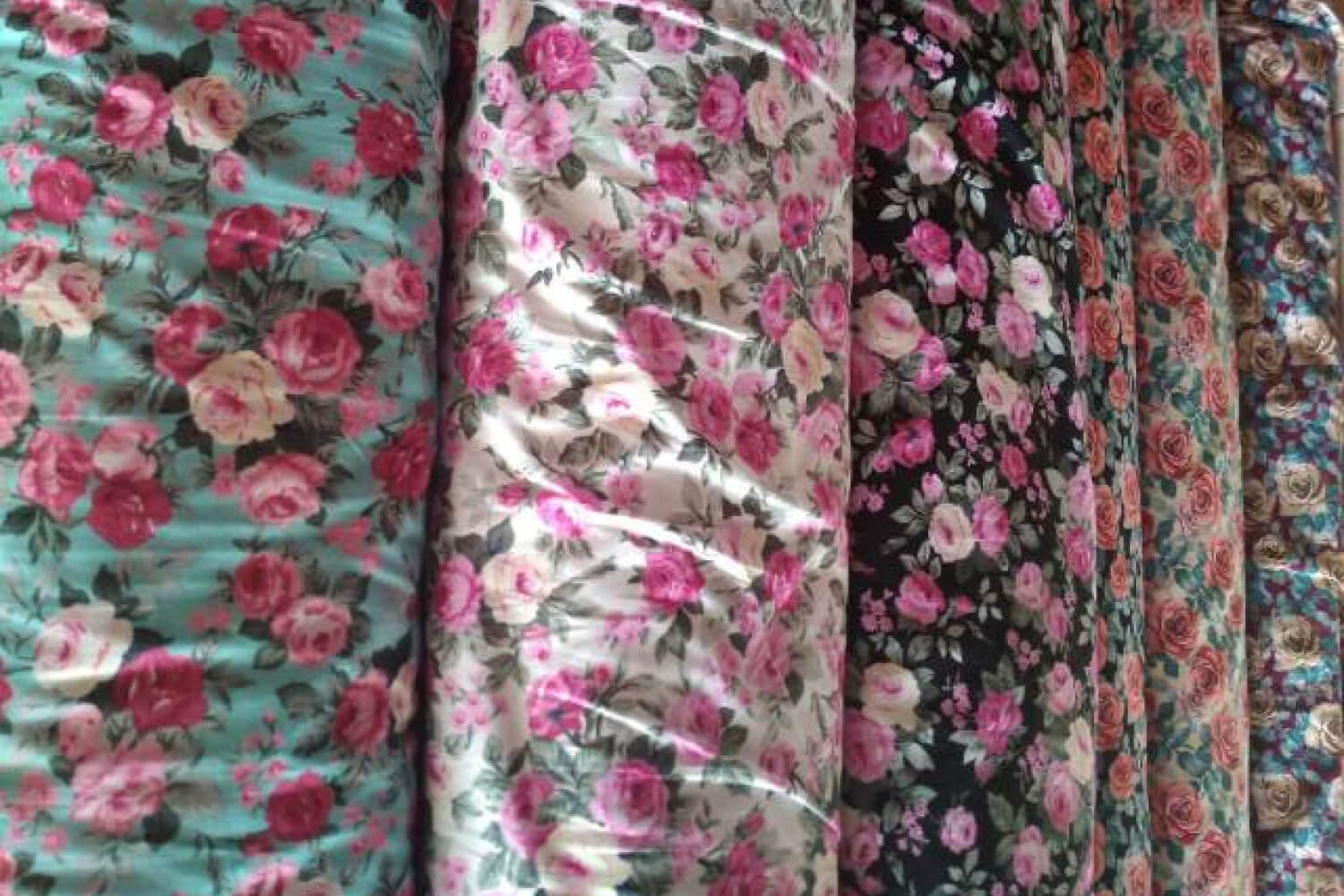
While U.S. Pima cotton leads in luxury markets, Japanese cotton offers unique advantages for your textile material selection. You’ll find its exceptionally tight weave and uniform surface perfect for DTF (Direct-to-Film) printers.
Japanese cotton stands out with its characteristically soft hand-feel and remarkable durability. You’re getting fabric that’s been refined through centuries of meticulous craftsmanship.
When you’re working with DTF printing, you’ll notice how Japanese cotton’s smooth surface allows for crisp, vibrant transfers. Its consistent fiber structure means you’ll achieve reliable results every time.
You’ll appreciate how this premium material enhances your finished products with its distinctive sheen and professional-grade quality.
Polyester: Durability and Performance Fabric

The versatile nature of polyester makes it an excellent choice for DTF printing projects. You’ll find this synthetic fabric delivers exceptional durability and color vibrancy in your designs.
When you’re working with advanced printing methods, polyester fabric printing offers outstanding resistance to wrinkles and shrinkage. You’ll appreciate how it maintains shape through multiple washes.
You’ll notice polyester excels in moisture-wicking properties, making it perfect for athletic wear and performance garments. The fabric’s smooth surface guarantees crisp, long-lasting prints.
Let’s investigate its practical benefits: quick-drying capabilities, excellent color retention, and superior resistance to everyday wear and tear.
Polycotton Blend: Best of Both Worlds

Blending cotton and polyester fibers creates an ideal material that you’ll love for DTF printing projects. You’ll get exceptional durability from the polyester while maintaining cotton’s natural comfort.
Your fabric transfer techniques will work beautifully on this versatile blend. The synthetic fibers guarantee vibrant color retention, while the cotton portion provides excellent breathability.
When you’re exploring polyester printing options, polycotton gives you the perfect middle ground. You’ll notice sharper details and better wash resistance than pure cotton.
The typical 65/35 poly-cotton ratio delivers excellent print adhesion. Your designs will stay crisp and comfortable wear after wear.
Spandex: Stretch and Flexibility

Modern spandex fabrics combine remarkable stretch with excellent DTF print compatibility.
When you’re exploring fabric selection for custom apparel, you’ll love how spandex-blend materials hold DTF prints while maintaining their elasticity.
You’ll find that DTF transfers adhere beautifully to spandex content between 5-15%. This sweet spot gives you the perfect balance of stretch and print durability.
Your athletic wear and form-fitting designs will benefit from spandex’s recovery properties. The prints won’t crack or peel during wear.
Remember to pre-test your DTF application temperature. Spandex can be sensitive to excessive heat, so start at 320°F and adjust as needed.
Rayon Cotton: Soft and Lightweight

Silky-smooth rayon cotton offers you exceptional DTF printing results while keeping garments breathable and comfortable. This innovative blend brings out the best in your textile printing projects.
You’ll love how DTF (Direct-to-Film) transfers adhere beautifully to rayon cotton’s unique surface. The material’s natural drape improves your designs’ visual appeal.
- Superior color vibrancy and detail retention
- Excellent moisture-wicking properties
- Natural temperature regulation
- Minimal shrinkage after washing
- Improved durability compared to pure cotton
The lightweight nature of rayon cotton makes it perfect for year-round wear. Your customers will appreciate the luxurious feel while you’ll enjoy consistent DTF printing results.
Conclusion: Choosing the Right T-Shirt Material for DTF Printing
When selecting t-shirt materials for DTF printing, you’ll want to carefully consider your specific needs and applications. Your choice will impact the final product’s quality and durability.
Different fabric printing methods require specific material considerations. DTF works well across various fabrics, giving you flexibility in your professional apparel printing ventures.
Consider your target market and intended use. Cotton blends offer versatility while pure cotton provides premium quality.
Using water-based pigment inks can enhance print quality and environmental friendliness across all fabric types.
You’ll find the best results by matching your material choice to your printing goals. Test different fabrics to discover what works best for your specific projects.
Balance cost, quality, and client preferences as you make your final decision