Ultimate Guide: Selecting DTF Printing Machines Wisely
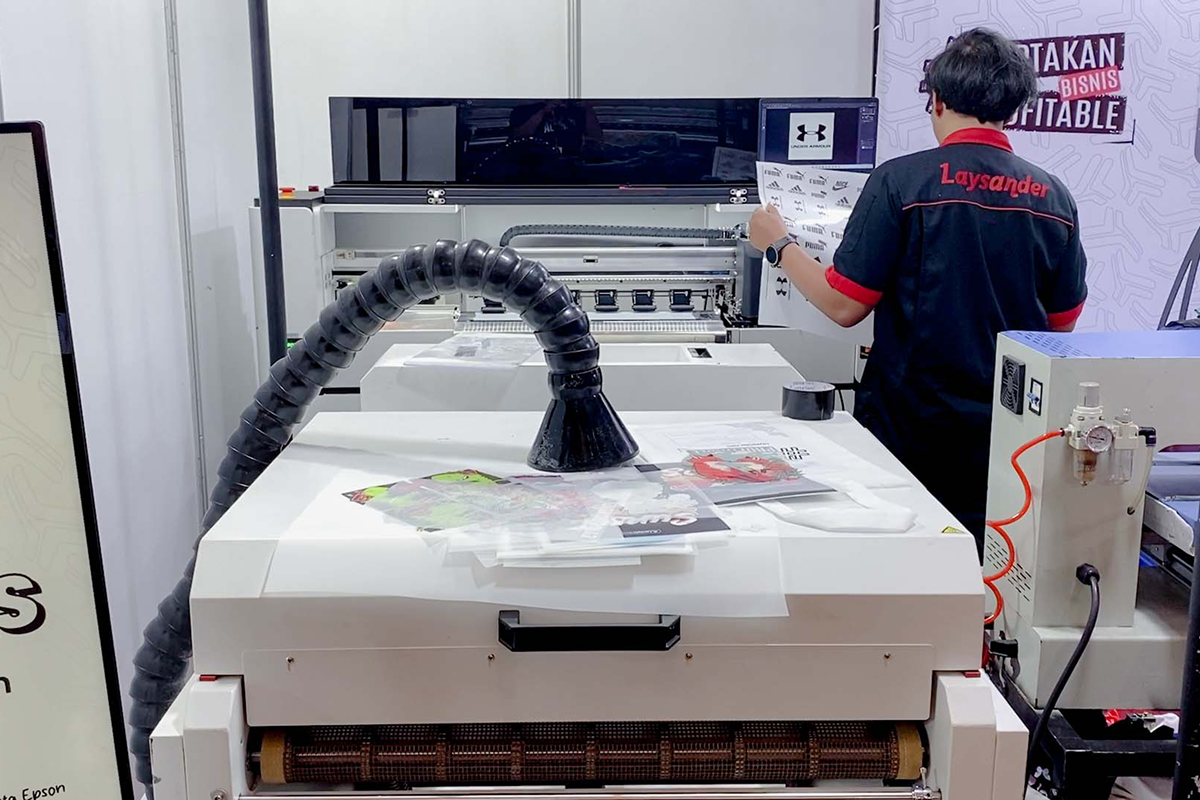
When selecting a DTF printer, you’ll want to focus on five key factors: print quality (minimum 1440 dpi), production speed (8-30 shirts per hour), user-friendliness, maintenance costs, and technical support. Look for machines with automated features like ink stirring and film feeding systems while ensuring your vendor offers comprehensive training and 24/7 assistance. The right combination of these elements will determine your business’s long-term success in custom apparel printing.
Key Takeaways
- Assess print quality through sample tests, ensuring minimum 1440 dpi resolution and excellent color accuracy for both light and dark garments.
- Match printer speed with your production demands, considering entry-level machines handle 8-12 shirts hourly versus industrial models’ 20-30 pieces.
- Choose machines with automated maintenance features and user-friendly interfaces to minimize operational complexities and reduce downtime.
- Verify comprehensive technical support availability, including 24/7 troubleshooting, local spare parts access, and certified technician services.
- Partner with established distributors offering complete support packages, proven track records, and multiple service locations for reliable assistance.
Print Quality: Ensuring Professional Output

When evaluating DTF printing machines, print quality stands as your foundation for professional success. You’ll need to focus on machines that deliver consistent, sharp designs with vibrant colors.
Your print quality control starts with resolution capabilities. Look for DTF printers offering at least 1440 dpi for crisp, detailed output that meets professional output quality standards.
You’ll want to examine sample prints, especially for fine lines and small text. Professional-grade machines should produce clean edges without bleeding or pixelation.
Don’t overlook color accuracy and white ink density. Your DTF printer should handle smooth gradients and deliver opaque whites for dark garments.
Consider machines with built-in color calibration systems. They’ll help maintain consistency across print runs, saving you time and materials in the long run.
Using inks with particle sizes under 300nm will ensure optimal print quality and detailed image reproduction.
Printing Speed: Maximizing Production Efficiency

As production demands grow, your DTF printer’s speed becomes essential for meeting customer deadlines and maximizing daily output.
You’ll want to evaluate printing speed in terms of shirts per hour for high-volume printing. Most entry-level DTF printers handle 8-12 garments hourly, while industrial models can process 20-30 pieces.
Let’s examine how to optimize your production flow. Start by matching your printer’s speed to your daily order volume. If you’re processing more than 100 shirts daily, you’ll need a machine rated for industrial output.
Remember that faster isn’t always better. You’ll need to balance speed with print quality and maintenance requirements. Consider investing in multiple printers if you’re consistently reaching capacity limits – it’s often more efficient than running a single high-speed unit.
Advanced models like the Fedar DTF printer feature an automatic ink stirring system that helps maintain consistent print speeds by preventing unwanted printhead clogs.
User-Friendliness: Streamlining Operational Workflow
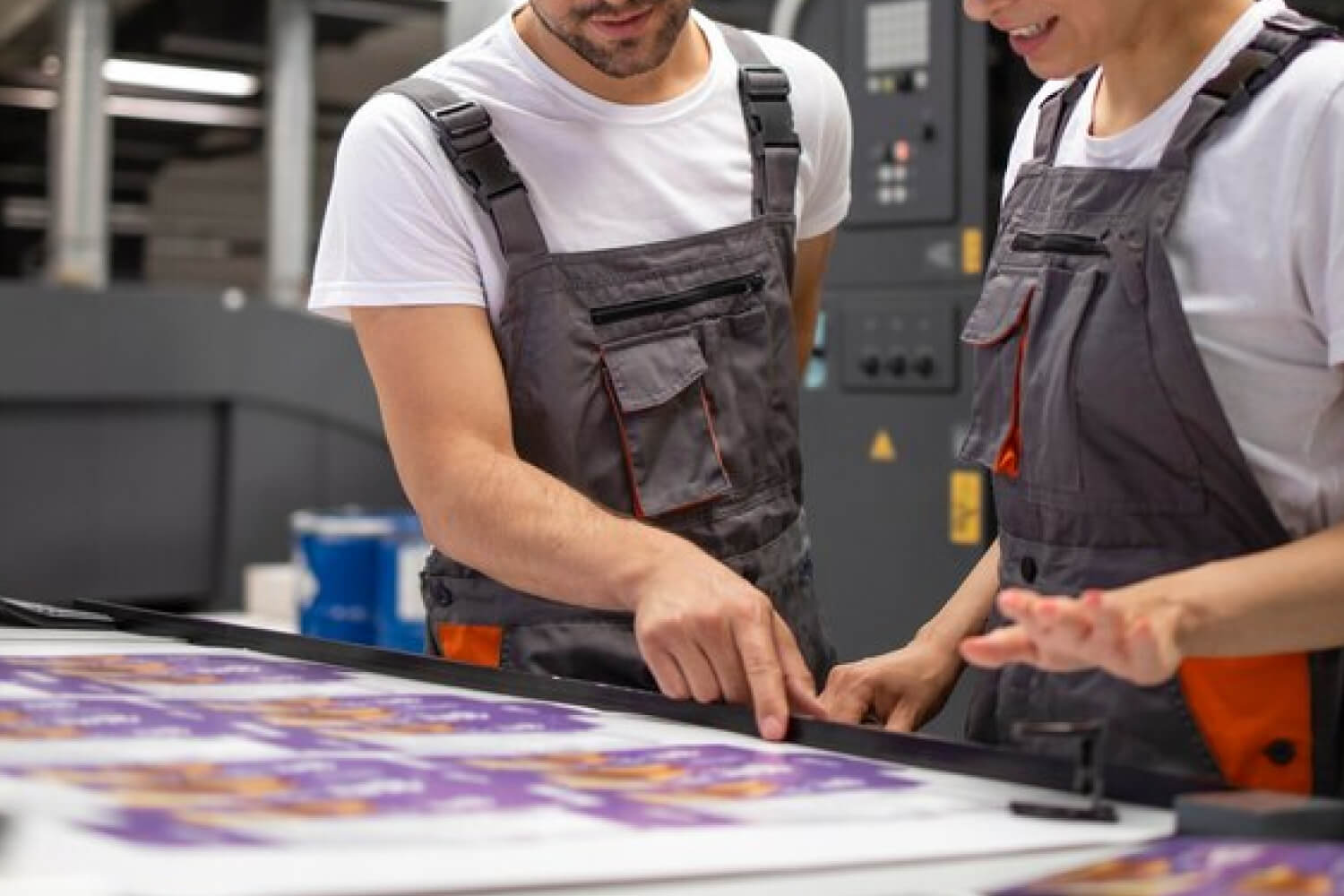
The right DTF printer should make your daily operations smooth, not give you headaches. When you’re evaluating options, look for machines with automated workflow features that minimize manual interventions.
You’ll want an intuitive interface that lets you manage print queues effortlessly. Consider systems offering one-click solutions for common tasks like color adjustments and print file preparation.
Technical support services are essential for maintaining streamlined operations. You’re better off choosing a provider that offers comprehensive training and readily available assistance.
Look for machines with automated maintenance routines and self-cleaning cycles. These features will save you valuable time and reduce operator frustration.
For optimal production tracking, seek machines equipped with a built-in counter feature that helps monitor your daily output numbers.
Maintenance Costs: Long-Term Business Considerations
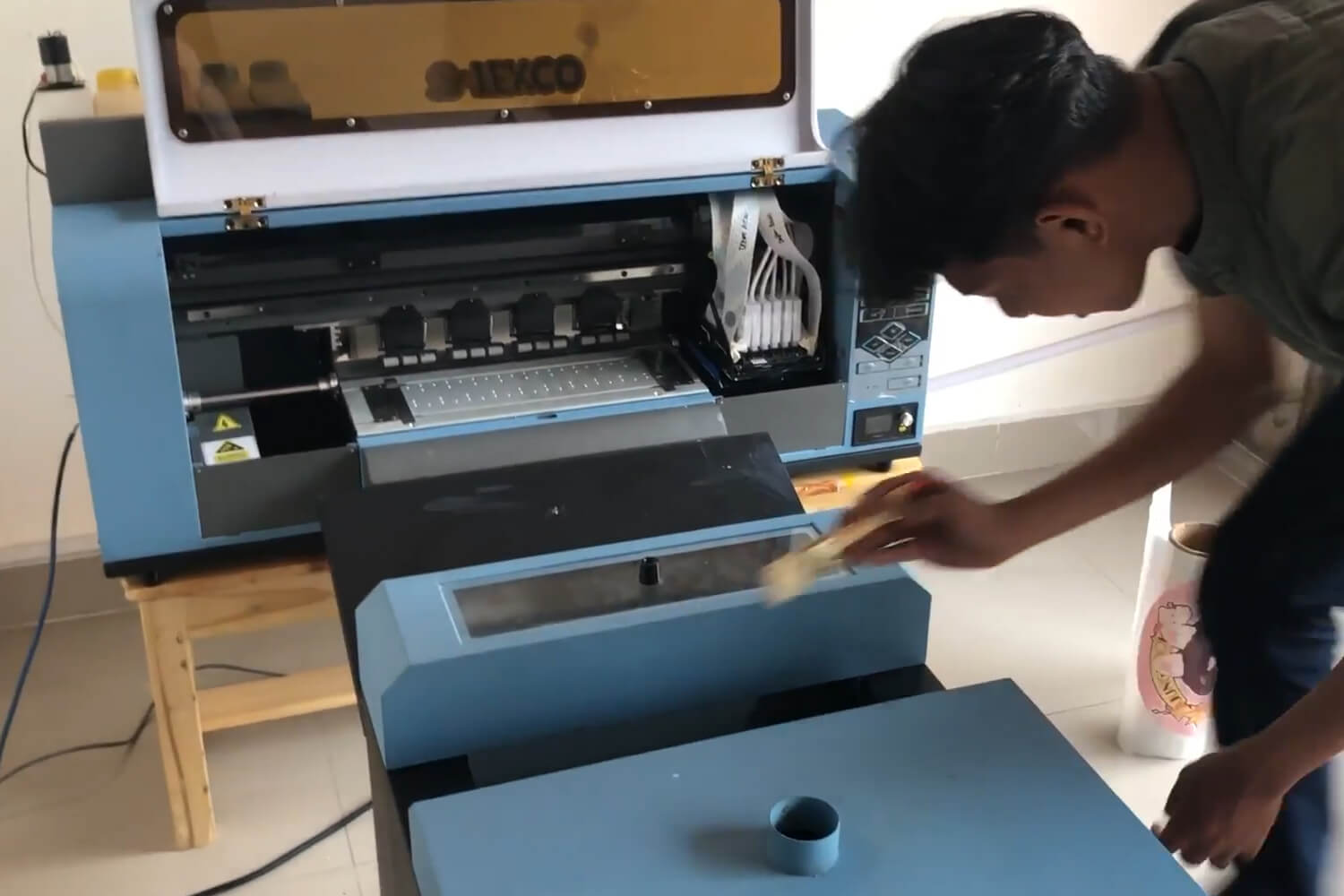
Making smart financial decisions requires looking beyond just the initial price tag of your DTF printer.
You’ll need to factor in regular maintenance costs that keep your machine running smoothly. Print head maintenance typically requires monthly cleaning solutions and periodic replacements.
Have you considered the cost of preventive care? Regular calibration services and filter changes can prevent costly breakdowns later.
Let’s examine Texco’s comprehensive support package. Their 12-month technical assistance and warranty coverage significantly reduce your first-year maintenance expenses.
You might wonder about long-term costs. Plan for quarterly deep cleaning sessions and annual parts replacement, which typically run 10-15% of your printer’s initial cost.
Moving on to consumables, you’ll need to budget for specialized DTF inks and cleaning solutions that guarantee peak performance.
Implementing a bi-weekly cleaning schedule for the capping station and wiper blades will help prevent costly repairs and extend your printer’s lifespan.
Machine Size: Matching Equipment to Workspace
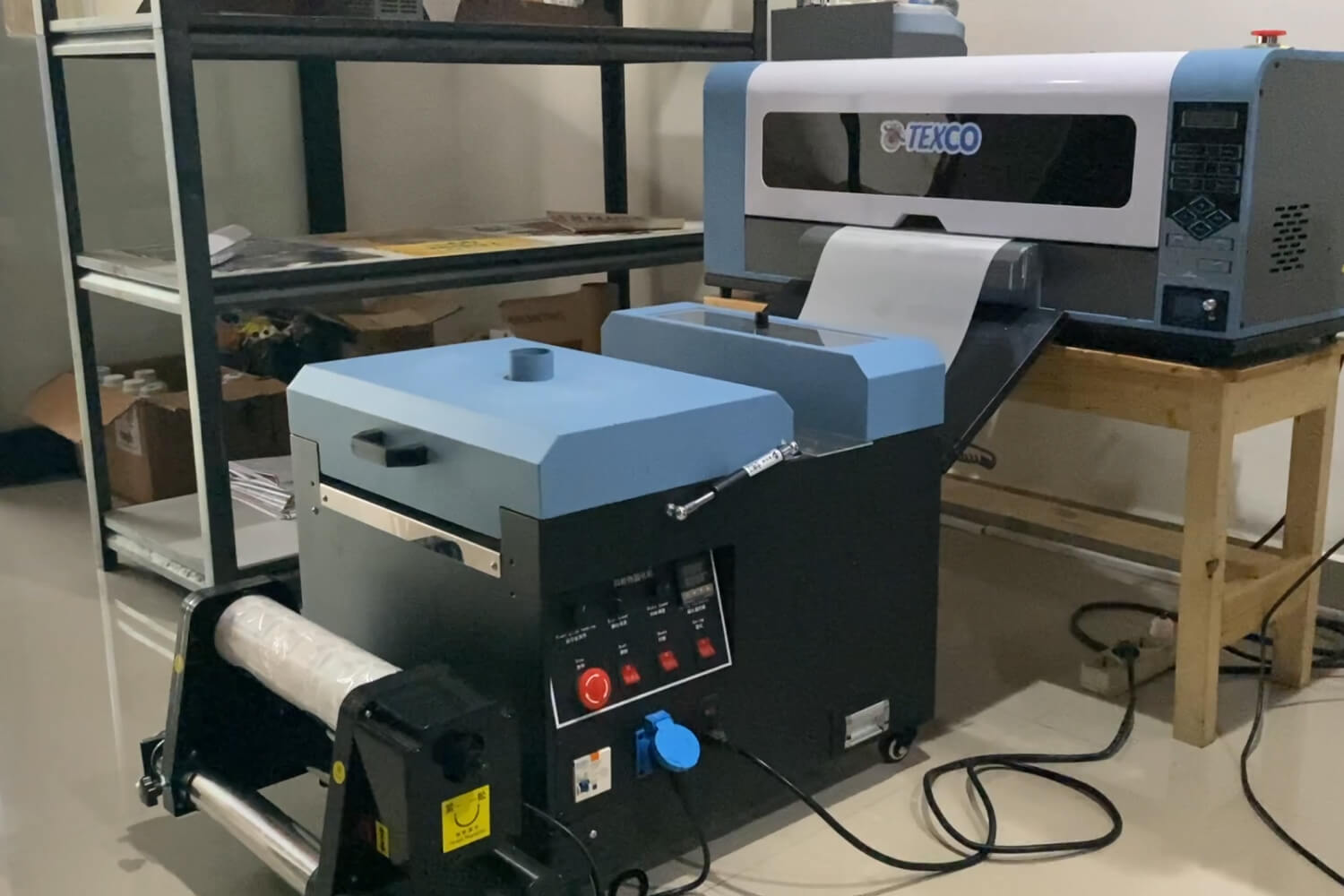
Beyond maintenance planning, your workspace dimensions will directly impact which DTF printer you can accommodate. Machine size considerations affect both your initial setup and future scalability.
You’ll need adequate space for your complete DTF printing setup. Here’s what to account for:
- Primary DTF printer footprint (typically 2-4 feet wide)
- Powder shaking station for adhesive application
- Heat press equipment placement area
- Storage space for films and supplies
- Workspace for post-print handling
Let’s be practical – measure your available space before making any decisions. Remember to factor in ventilation requirements and operator movement paths.
You’ll want to leave enough room to comfortably access all sides of your equipment. This guarantees smooth workflow and proper maintenance access.
Advanced Features: Competitive Edge Technologies
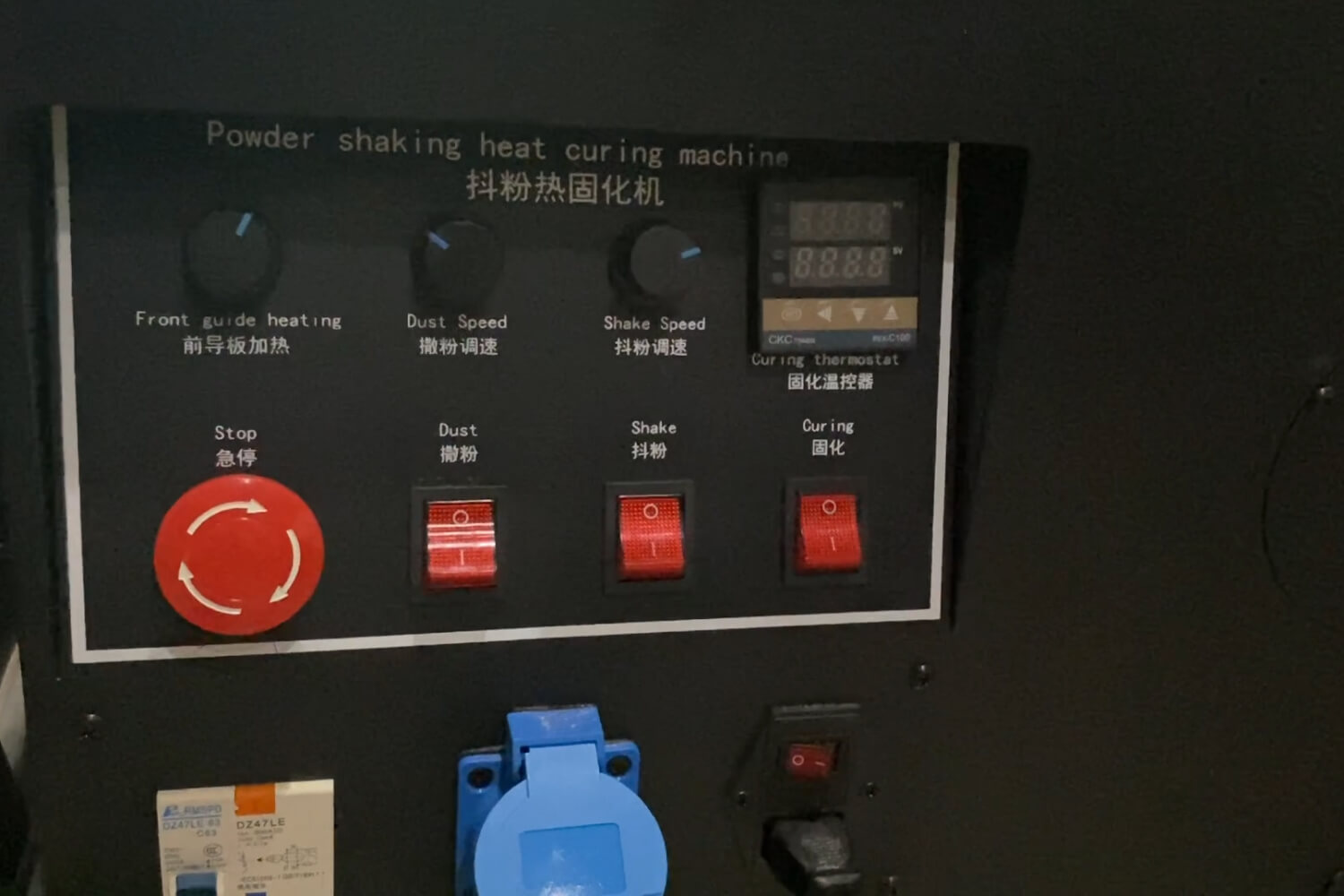
Modern DTF printers come packed with innovative features that’ll give your business a competitive advantage. Today’s advanced features help you stay ahead of the competition.
You’ll want to look for automatic film feeding systems that prevent jams and guarantee precise alignment. Smart temperature control systems maintain ideal heat levels for consistent prints.
The latest DTF printing machines include built-in powder shaking systems that distribute white powder evenly. This guarantees better adhesion and washability of your designs.
Let’s investigate the automated cleaning systems that keep print heads in top condition. These systems reduce maintenance time and extend your machine’s lifespan.
You might wonder about connectivity options. Modern DTF printers offer WiFi capabilities and remote monitoring through smartphone apps, letting you track production from anywhere.
Pricing: Strategic Investment Analysis

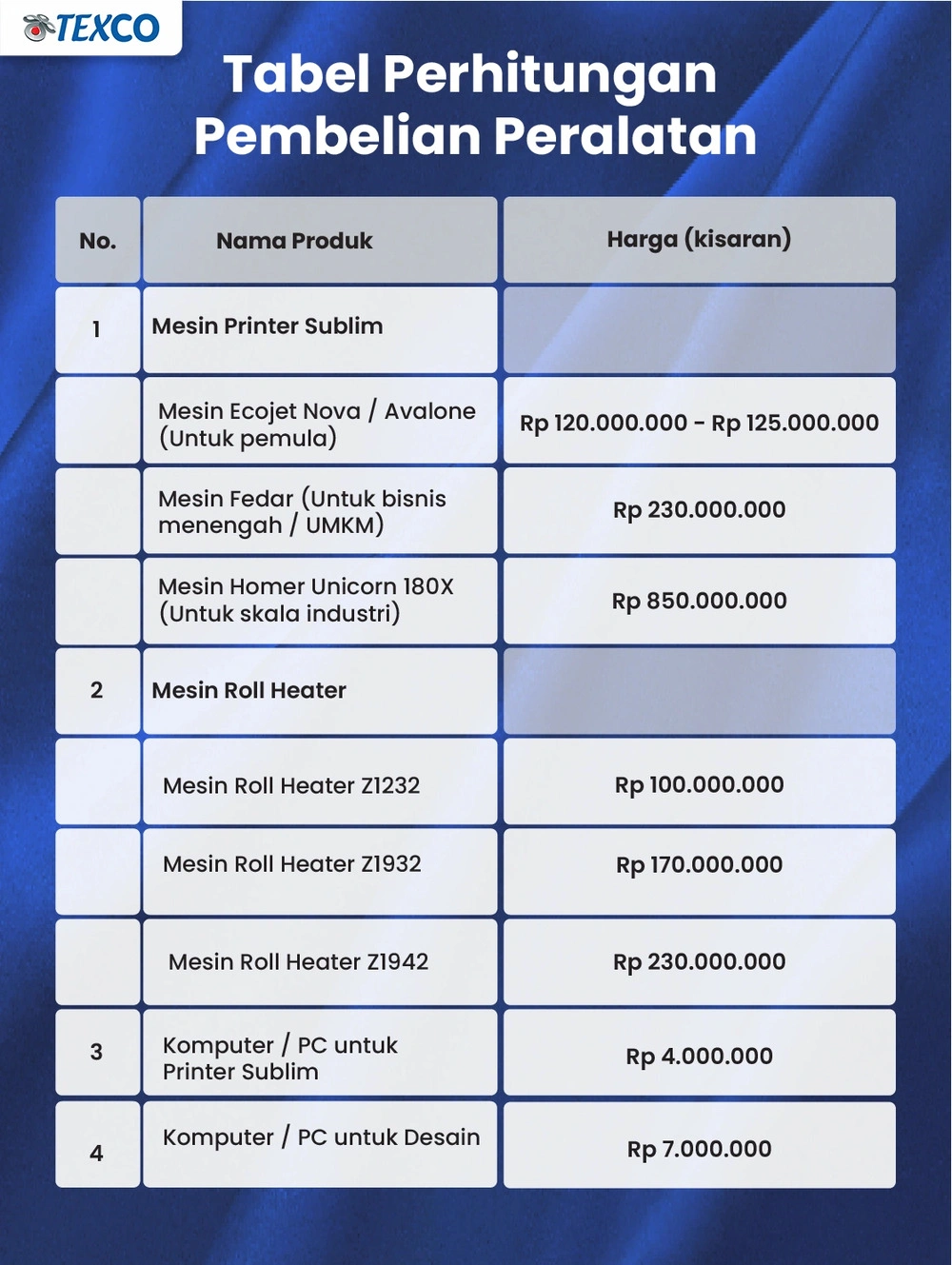
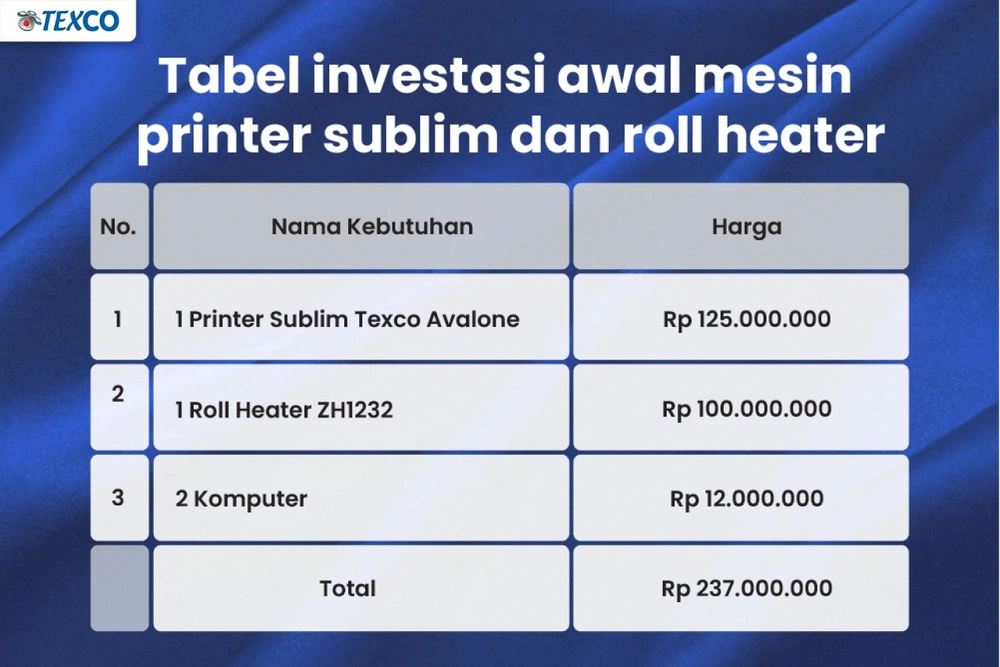
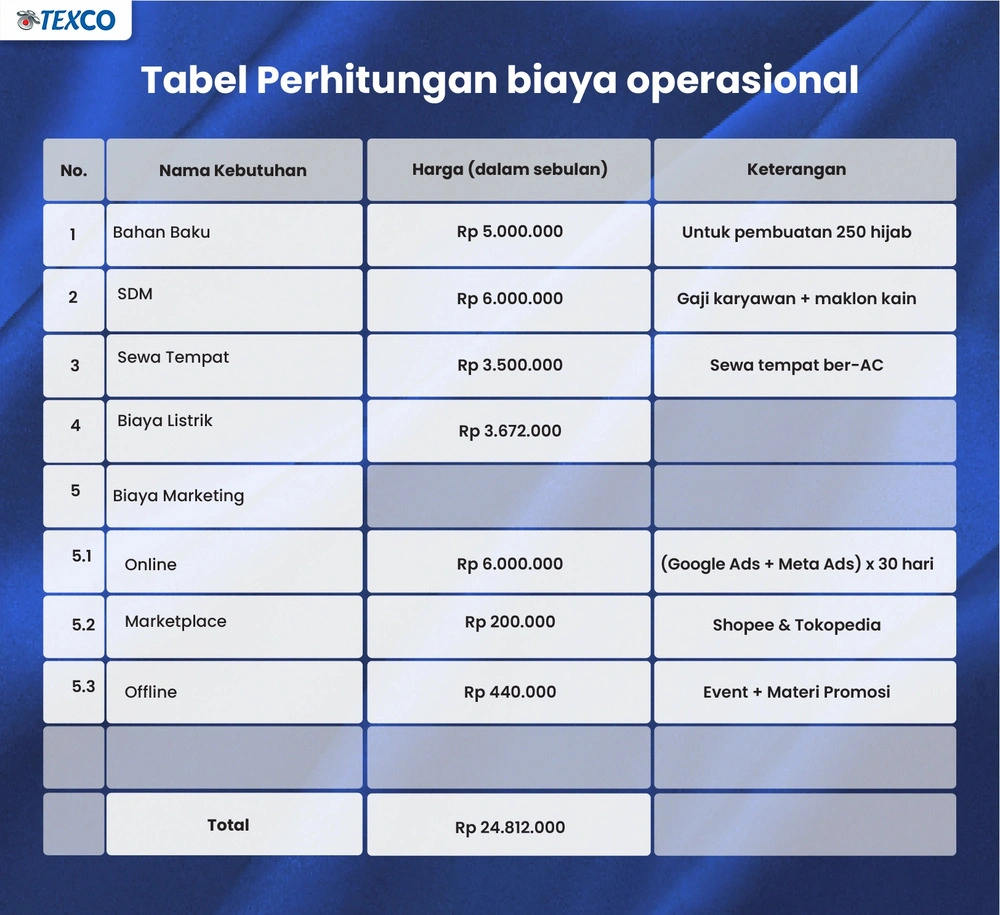
When you’re evaluating DTF printers, understanding the total investment goes beyond just the machine’s price tag. You’ll need to take into account your production scalability needs and ongoing operational costs.
Smart pricing analysis should factor in these essential components:
- Initial equipment cost including installation and setup fees
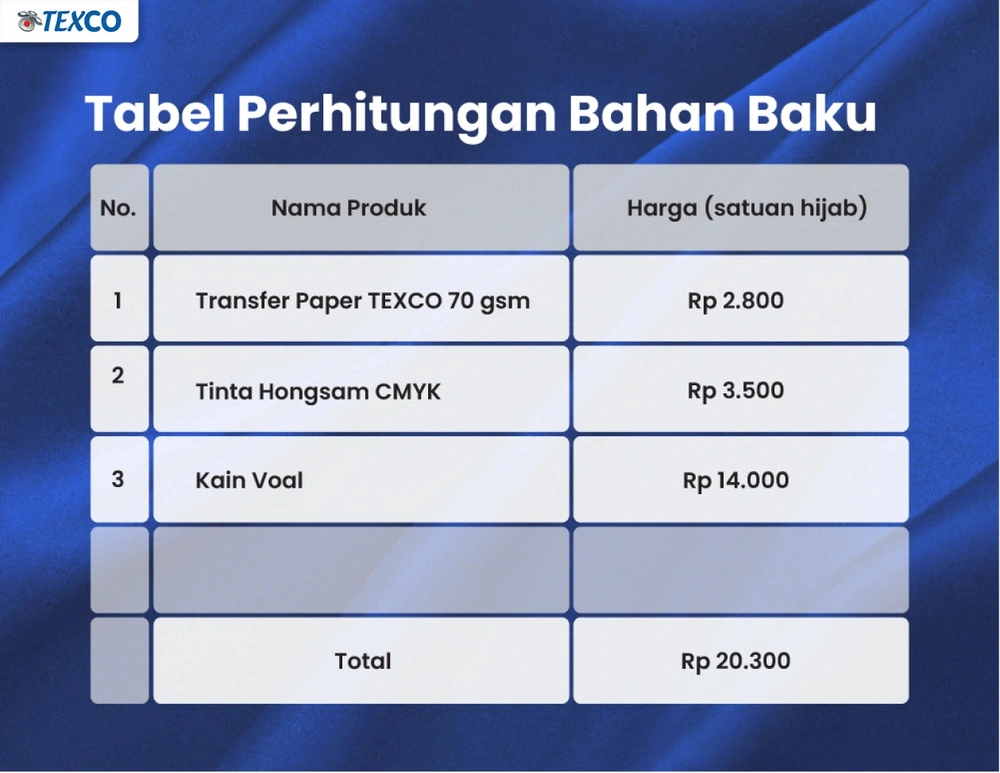
- Monthly consumables like inks, films, and powders
- Maintenance contracts and potential repair expenses
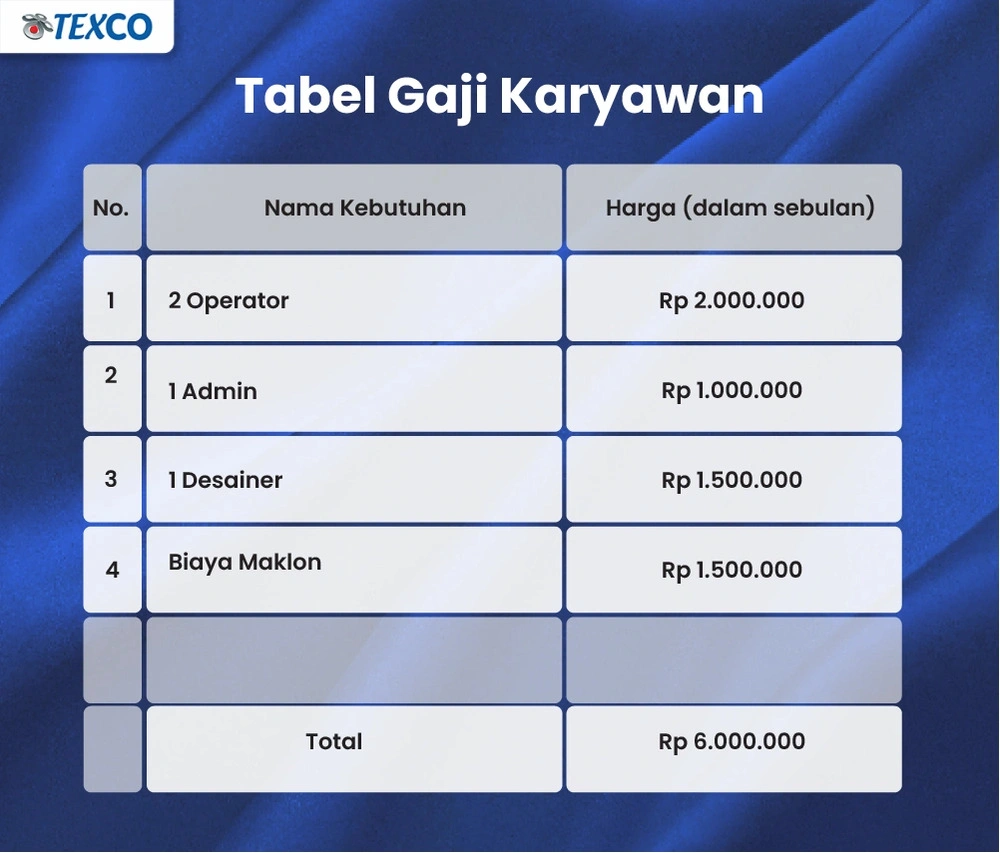
- Operator training and skill development costs
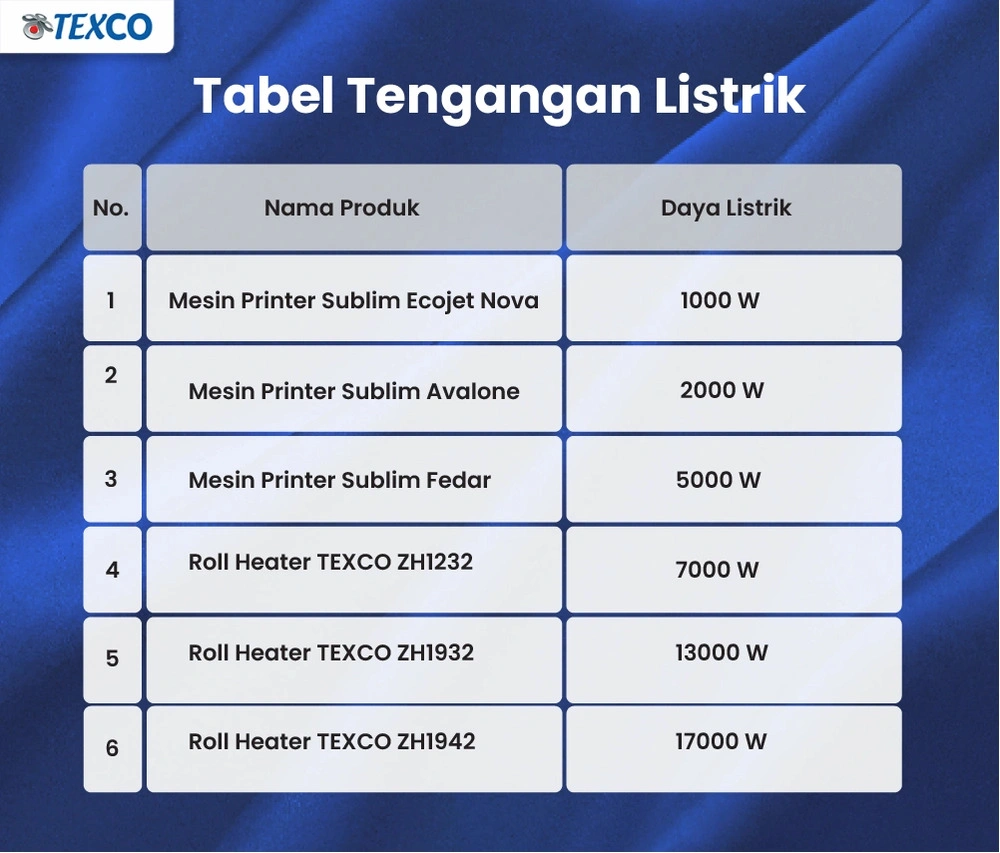
- Energy consumption and workspace requirements
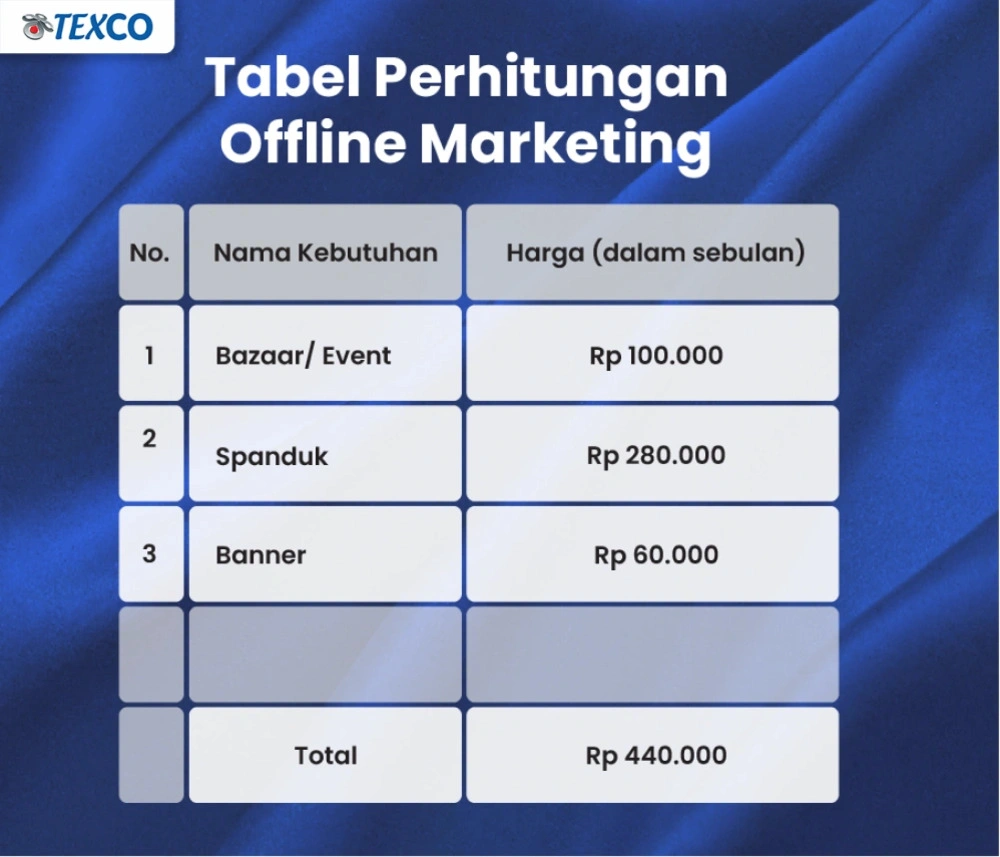
Your investment strategy should align with your business goals. Think about starting with entry-level models if you’re testing the market.
Ponder your pricing structure for custom orders. A well-planned DTF setup can deliver ROI within 6-12 months through efficient production workflows.
Remember that cheaper machines often mean higher long-term operational costs. Focus on value rather than initial price points.
After-Sales Support: Ensuring Continuous Business Performance

Reliable after-sales support can make or break your DTF printing business success. You’ll want to guarantee your supplier offers comprehensive technical assistance beyond the initial purchase.
Look for providers that include operator training programs. These sessions help your team master the equipment’s capabilities and troubleshoot common issues efficiently.
You’ll benefit most from suppliers offering extended warranty coverage and quick response times. A 12-month technical support package should be your minimum requirement.
Consider vendors providing installation services and regular maintenance checks. They’ll help you maintain peak print quality and minimize costly downtime.
Don’t overlook the value of business consultations. Expert guidance can help you maximize your DTF printer’s potential and adapt to market demands effectively.
Remember to verify if spare parts are readily available in your region. Local accessibility ensures faster repairs when needed.
Technical Support: Reliability and Expertise
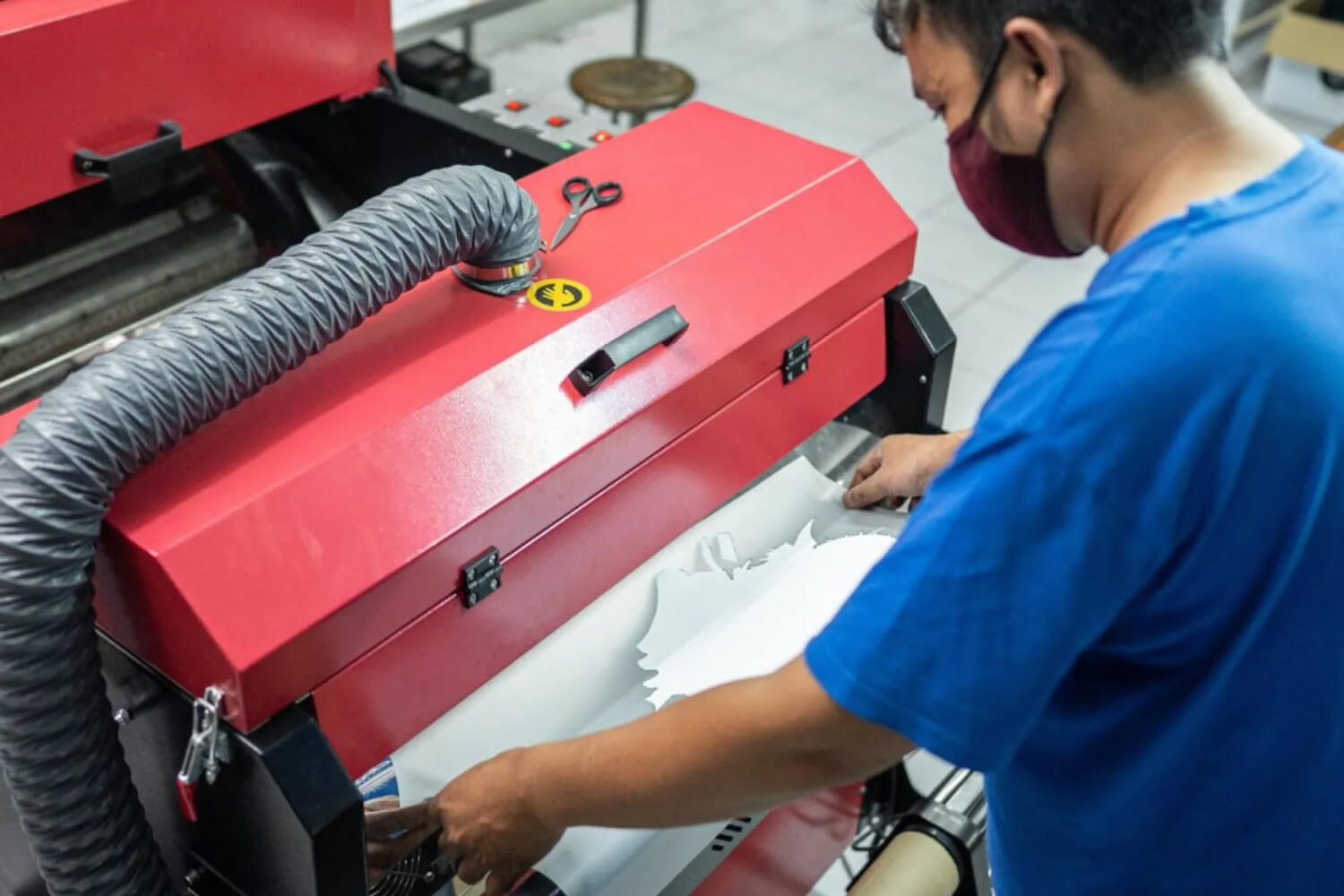
Professional technical support serves as the backbone of your DTF printing operation. You’ll need reliable experts who understand water-based inks and complex printing systems inside out.
When selecting a DTF printer supplier, guarantee they offer these essential technical support features:
- 24/7 emergency troubleshooting hotline
- Remote diagnostics capabilities
- Certified technicians with proven DTF expertise
- Regular maintenance schedules and checkups
- Comprehensive technical documentation and guides
You don’t want to be left hanging when technical issues arise. That’s why Texco’s year-long complimentary technical assistance proves invaluable for your business continuity.
Having expert support readily available means you can focus on growing your printing business without worrying about technical hiccups. Your success depends on both quality equipment and reliable technical backup.
Brand and Distributor Reputation: Trustworthiness Matters
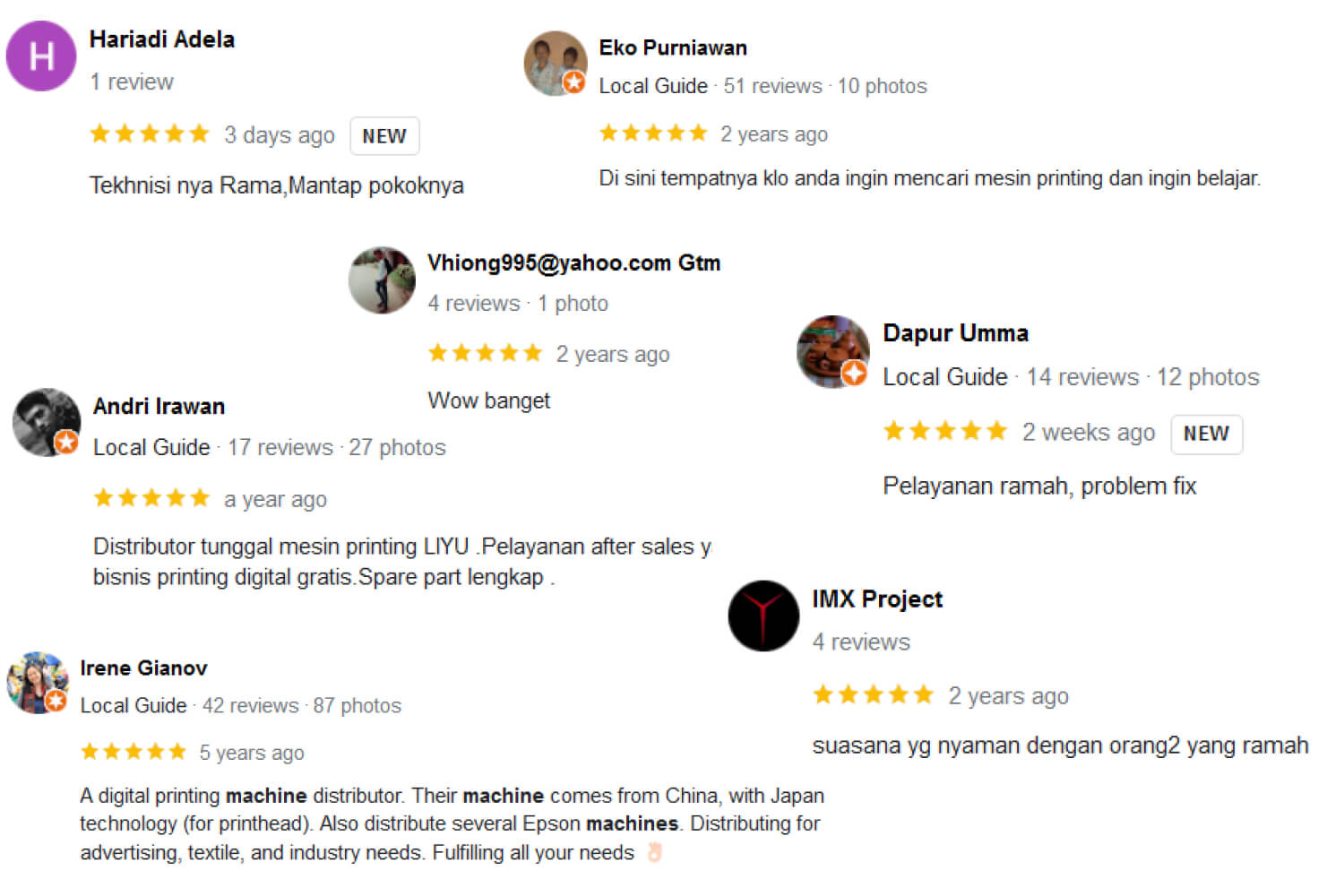
Strong brand reputation serves as the foundation of your DTF printing investment. You’ll want to partner with established distributors who’ve proven their reliability in the market.
When evaluating brand and distributor reputation, look for companies offering comprehensive support packages. Texco’s track record since 2007 demonstrates the value of choosing established players in the industry.
You’ll benefit from working with distributors who can handle custom orders efficiently while providing ongoing technical assistance. Look for those offering warranties and training programs.
Check if your potential distributor maintains multiple service locations. This guarantees you’ll get prompt support when needed. Texco’s seven regional branches showcase how reliable distributors maintain widespread presence.
Conclusion
Selecting a DTF printer becomes much simpler when you’ve got the right criteria in mind. Consider these essential factors for your investment’s success:
- Complete durability testing of sample prints before committing
- Evaluation of substrate compatibility with your target materials
- Research on distributor reputation and support services
- Assessment of warranty coverage and technical assistance
- Analysis of total ownership costs including consumables
You’ll want to partner with established suppliers like Texco that offer comprehensive support packages. Their business consultation services can help you make informed decisions.
Remember that the right DTF printer isn’t just about technical specifications. It’s about finding a solution that aligns with your business goals and growth plans. With these guidelines in hand, you’re well-equipped to make a choice that’ll serve your printing needs effectively.
We would be delighted to assist you further once you are interested in finding the right DTF printer. Schedule a FREE CONSULTATION with TEXCO today!