DTG Printer Explained: Everything You Need to Know

A DTG printer is your gateway to creating custom garment designs using advanced inkjet technology that prints directly onto fabrics. You’ll find it works by spraying water-based ink onto pre-treated materials through a precise digital process, resulting in vibrant, durable prints that last over 50 washes. It’s perfect for small-batch production and print-on-demand services, offering unlimited color possibilities without additional setup costs. While you’ll need specific equipment like RIP software and a heat press, DTG printing provides eco-friendly benefits and high-resolution output for your custom apparel business. Let’s investigate how this growing $861.2 million market can transform your printing possibilities.
Key Takeaways
- DTG printing uses water-based ink sprayed directly onto fabric through digital technology to create detailed, colorful designs on textiles.
- The process requires three steps: pre-treatment of fabric, digital printing of the design, and heat curing for durability.
- DTG printers excel at small-batch custom orders and print-on-demand services, offering unlimited color options without additional setup costs.
- Prints can last over 50 washes and work best on cotton garments, though regular maintenance and specific technical requirements are necessary.
- The technology is eco-friendly, using water-based inks and minimal waste, with market value expected to reach $1.32 billion by 2034.
What is a DTG Printer?

A DTG printer (Direct-to-Garment printer) is a digital device that prints designs directly onto textiles like t-shirts, hoodies, and tote bags.
This technology uses aqueous ink jet printing for precise design transfer. The ink penetrates fabric fibers, creating vibrant, long-lasting results. A pre-treatment solution must be applied and heat-pressed before printing.
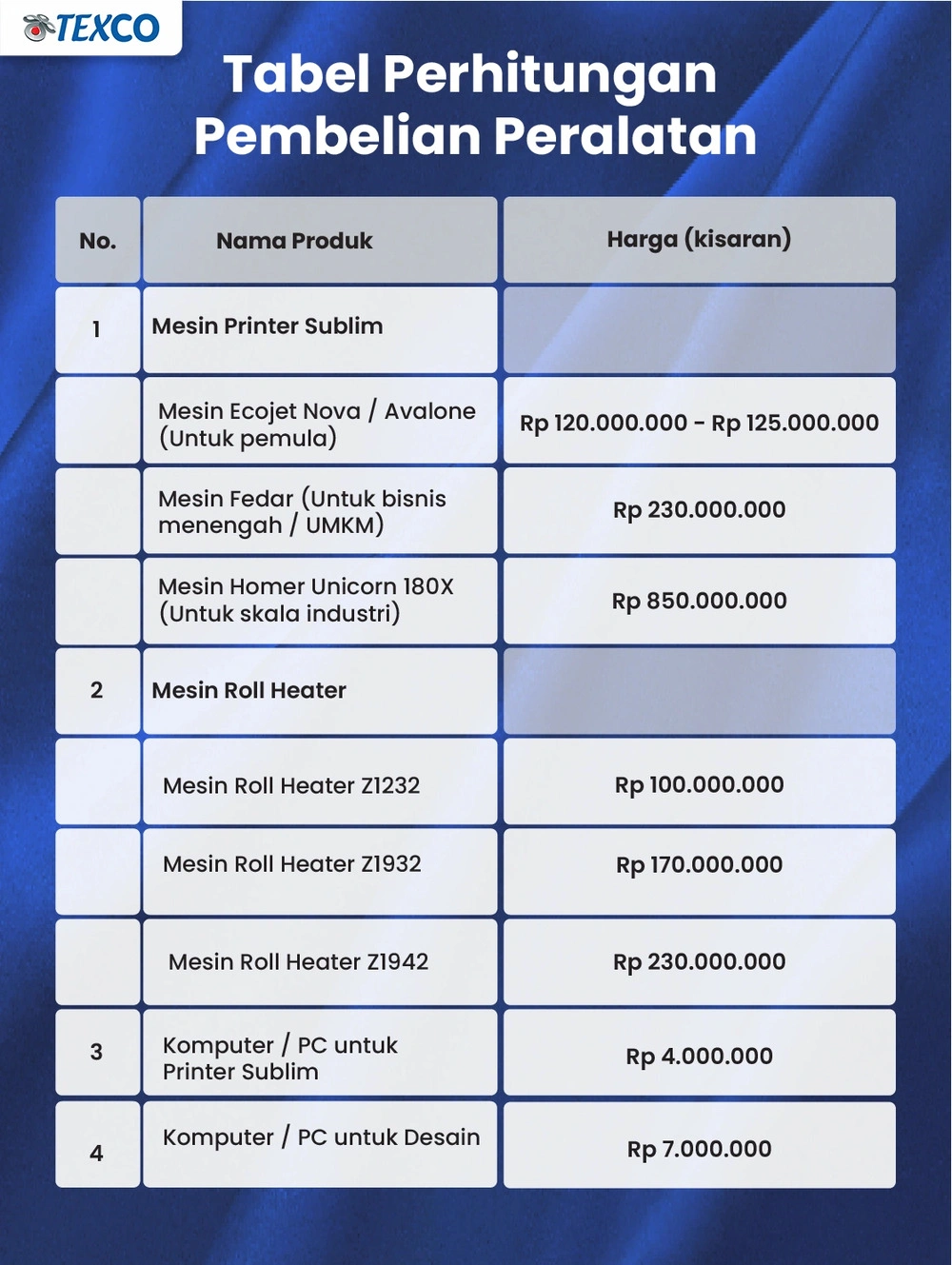
Unlike traditional methods, DTG printing requires no extensive setup or multiple screens. With startup costs between $15,000 and $30,000, it’s perfect for small-batch production.
DTG prints remain sharp and soft to touch, preserving the fabric’s natural feel. Entry-level models suit home studios, while commercial versions feature white ink printing. Industrial units can print a design in 30 seconds.
The process works best with cotton or high-cotton blends, offering extensive options for custom apparel projects.
How DTG Printers Work?
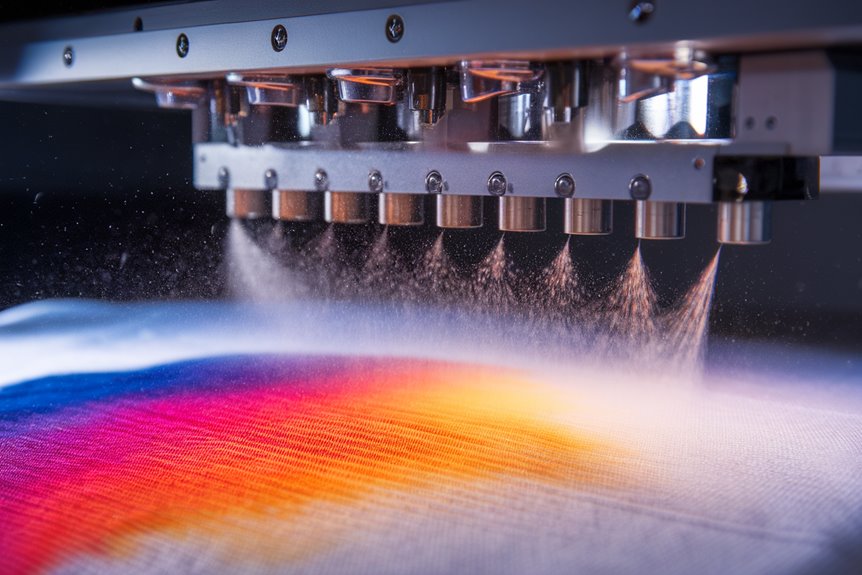
Three main stages define how DTG printers work: pre-treatment, printing, and curing. Let’s investigate each stage of digital garment printing to help you understand the process.
You’ll start with pre-treatment, where you’ll apply a special solution to your garment. This solution helps the ink bond with the fabric and prevents it from washing away. DTG printing offers no minimum orders for custom apparel production.
Next comes the printing stage. Your garment sits on a platen while the printer’s specialized inkjet technology sprays water-based ink directly onto the fabric. For dark garments, you’ll need a white underbase first.
The final stage is curing, where you’ll heat press your printed garment. This step permanently bonds the ink to the fabric fibers.
Have you ever noticed how DTG prints look incredibly sharp? That’s because they produce higher DPI compared to traditional methods.
Moving on to durability, you’ll be happy to know your prints can last through more than 50 washes when properly cured. This makes DTG perfect for creating premium quality garments that your customers will love.
The process works best on natural fibers like cotton, bamboo, and linen. You’ll get the most vibrant results on fabrics that are at least 50% cotton.
Key Features and Capabilities

Modern DTG printers pack impressive features that transform garment printing, from high-resolution output to eco-friendly ink systems. You’ll find that dtg technology has changed the way custom apparel comes to life. Since the late 1990s, printing technology has evolved from manual processes to highly efficient automated systems.
Let’s investigate the core capabilities that make these printers stand out. You can print intricate designs with remarkable detail and vibrant colors on various fabrics.
The pre-treatment process guarantees your prints bond perfectly with the fabric. You’ll appreciate how the water-based inks are both environmentally friendly and safe for wear.
Moving on to production flexibility, you’re no longer limited by minimum order quantities. Whether you need one shirt or fifty, DTG delivers consistent quality every time.
Have you ever noticed how traditional printing methods struggle with complex color schemes? With DTG, you’ll get unlimited color options without additional setup costs.
You might wonder about technical requirements. Your DTG printer will need:
- RIP software for precise color management
- A heat press for proper ink curing
- Pre-treatment equipment for dark garments
- Wireless connectivity for seamless workflow
The result? Professional-quality prints that meet your customers’ highest expectations.
Types of DTG Printers

Different categories of DTG printers serve specific business needs and production volumes. Let’s investigate how digital textile printing has evolved to meet various market demands.
Entry-level DTG printers are your compact companions for home studios and small retail stores. You’ll find they’re budget-friendly but come with basic features and limited material compatibility.
Moving on to commercial DTG printers, you’re looking at machines that pack a serious punch. These workhorses offer sophisticated color management and white ink capabilities that’ll transform your printing game.
For high-volume operations, industrial DTG printers are the powerhouses you need. You’ll appreciate their lightning-fast 30-second print times and bulk ink systems that keep production flowing smoothly.
Have you ever wanted the best of both worlds? Hybrid DTG/DTF printers might be your answer. They’ll give you the flexibility to print on both garments and film while maintaining consistent quality across materials.
Each printer type brings its own strengths to your business arsenal. Your choice should align with your production goals, budget, and growth plans.
Applications and Use Cases
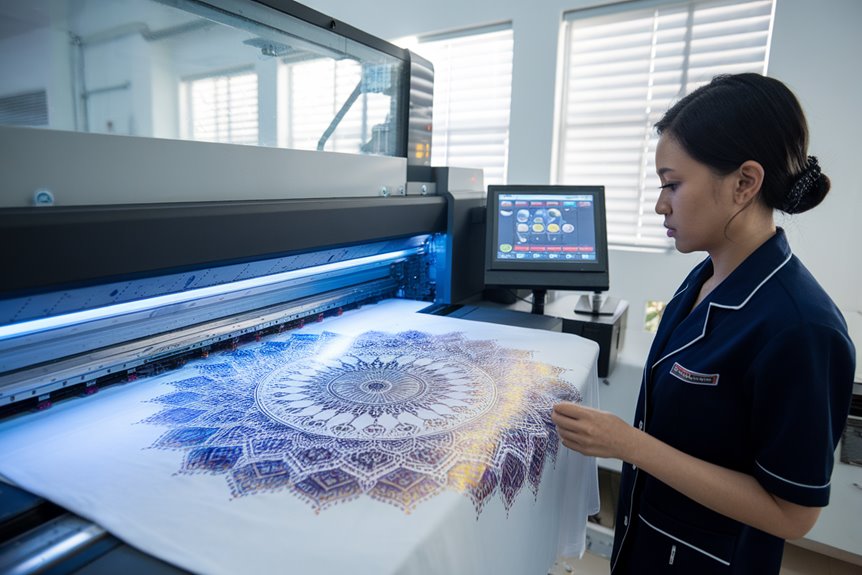
You’ll find DTG printers are incredibly versatile, handling everything from small batch production runs to fully custom one-off designs for your apparel business. Whether you’re launching a print-on-demand service or targeting specialty markets like band merchandise and event t-shirts, DTG technology lets you print exactly what your customers want, when they want it. Your DTG printer can tackle detailed artwork on cotton garments while maintaining consistent quality across orders of any size, making it perfect for both online stores and local custom printing shops.
Small Batch Production
Small batch production represents one of DTG printing‘s strongest advantages in the custom apparel market. You’ll find this technology perfectly suited for creating limited runs of unique designs without the setup hassles of traditional methods.
When you’re running a small custom apparel printing business, DTG lets you tackle orders of any size efficiently. You can print just one shirt or a dozen with the same level of detail and color accuracy.
Let’s investigate why DTG shines in small-batch scenarios. You’ll get minimal setup time and can switch between designs instantly – perfect for those last-minute rush orders.
The technology excels at producing photorealistic prints on various materials. Think intricate designs that would be challenging with traditional methods.
You might wonder about limitations. While DTG has a higher cost per unit than screen printing, it’s offset by the flexibility and reduced waste for small runs.
Moving on to scalability, you can start with an entry-level printer and upgrade as your business grows. Your initial investment opens doors to various markets, from personalized gifts to limited edition clothing lines.
Custom Apparel Printing
Building on the advantages of small batch production, DTG printing opens up a vast world of custom apparel applications. You’ll find endless possibilities for custom t-shirt printing that bring your creative visions to life.
Let’s investigate the versatile applications that make DTG printing a game-changer for your custom apparel business:
- Premium sportswear production using machines like TrueVIS SG3 Series, perfect for creating vibrant team uniforms and athletic wear with detailed graphics
- Headwear customization that lets you print intricate designs on caps and hats while maintaining exceptional quality through proper pre-treatment
- Accessory printing capabilities for bags, totes, and backpacks, giving you the flexibility to expand your product offerings
You’ll appreciate how DTG technology handles everything from basic t-shirts to complex sweater designs. The pre-treatment process guarantees your prints stay vibrant and durable.
Moving on to production flexibility, you can easily switch between different garment types. Your custom t-shirt printing business can handle small orders for local events or scale up for larger commercial clients.
Whether you’re creating metallic effects or white ink designs, DTG printing adapts to your creative needs while maintaining consistent quality across all applications.
Print-on-Demand Services
As the e-commerce landscape evolves, print-on-demand services have transformed how businesses approach custom product fulfillment. You’ll find platforms like Printify and Printful leading the charge with comprehensive solutions for entrepreneurs and creators.
You can tap into a market expected to reach $59.3 billion by 2033, growing at an impressive 27.8% annually. The beauty of print-on-demand lies in its zero upfront investment model.
Let’s investigate how you’ll benefit from automated fulfillment systems. Your designs can reach customers worldwide while print providers handle production and shipping logistics.
Have you noticed how apparel dominates the market with a 37.5% share? You’re perfectly positioned to capitalize on this trend with DTG printing technology.
Moving on to platform selection, you’ll want to evaluate giants like RedBubble and Spring for their specialized product catalogs. These services integrate seamlessly with major e-commerce platforms.
You might wonder about regional opportunities. North America leads with a 40% market share, while Asia Pacific shows the highest growth potential at 27.9% CAGR.
Through print-on-demand, you’re not just selling products – you’re supporting sustainable business practices by eliminating excess inventory.
Specialty Markets
While print-on-demand services open doors for entrepreneurs, DTG printing technology serves distinct specialty markets with unique applications. You’ll find this versatile technology transforming multiple industries with its precision and customization capabilities.
The fashion and apparel sector has adopted specialty printing for creating limited-edition clothing lines and sampling collections. You can now produce intricate designs for both major brands and independent designers without minimum order requirements.
Here are three growing specialty markets where DTG printing shines:
- Corporate promotional products – From branded uniforms to custom tote bags, you’re able to deliver high-quality promotional items with quick turnaround times
- Event marketing experiences – You can offer live printing demonstrations at trade shows and corporate events, creating interactive brand experiences
- Sustainable fashion initiatives – Your environmentally conscious clients will appreciate DTG’s reduced water consumption and minimal waste generation
The European market currently leads with a 36.5% global revenue share. You’ll see continued growth in Asia Pacific markets as e-commerce platforms expand and demand for personalized products increases.
Advantages and Limitations
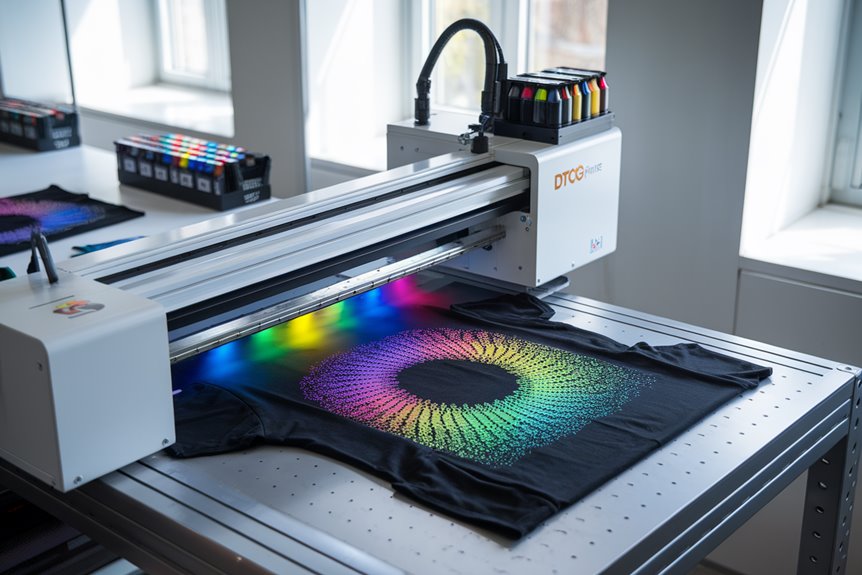
Direct-to-garment printing offers significant advantages that make it an attractive choice for modern textile printing, despite having several notable limitations to take into account.
You’ll love how DTG printing solutions deliver incredibly fast production times, especially for small runs and one-off orders. The process requires minimal setup and lets you fulfill orders quickly.
When it comes to quality, you’re getting exceptional results with vivid colors and sharp details. Your designs will look exactly as intended, with unlimited color options at no extra cost.
Let’s examine the flexibility you’ll gain. You can print on colored garments and customize designs freely, making it perfect for experimental concepts and on-demand production.
The eco-friendly aspect might surprise you. DTG uses water-based, biodegradable inks that minimize environmental impact.
However, you should consider some limitations. Color matching isn’t as precise as screen printing, and prints may require more careful maintenance.
You’ll also need to factor in the smaller print area compared to dye-sublimation and the necessity for pre-treatment. Regular printer maintenance is essential for peak performance.
Performing daily nozzle checks and cleaning cycles will help prevent clogs and ensure consistent print quality.
Technical Requirements

To operate a DTG printer successfully, you’ll need specific technical equipment and excellent specifications that guarantee quality prints and efficient production. Modern textile printing technology requires precise hardware configurations to deliver professional results.
You’ll want a system with at least a 2GHz CPU and 4GB RAM to handle the specialized printing software. Your display should support a minimum resolution of 1024×768 for superior visualization of designs.
Here are the essential technical components you’ll need:
- High-quality piezo print heads featuring 180 nozzles per channel for precise ink distribution
- Negative pressure ink supply system to maintain consistent ink flow and prevent clogs
- Full steel frame construction with precision guide rails for stability and noise reduction
The printer itself typically measures around 125 x 90 x 50 cm, so plan your workspace accordingly. You’ll need compatible design software like CorelDRAW or Adobe products. For connectivity, modern DTG printers offer USB2.0, LAN, and USB Flash Memory interfaces.
Your printing resolution should reach 1200 x 1200 dpi for sharp, detailed prints. Remember to factor in space for additional equipment like heat presses and pre-treatment machines.
Business Considerations

Before launching a DTG printing business, you’ll need to carefully evaluate several critical factors that directly impact your success. Your market research should focus on identifying local competitors and understanding their pricing strategies.
Let’s investigate the initial investment required for quality DTG printing solutions. You’ll typically need $25,000 or more for a reliable printer, plus additional funds for supporting equipment like heat presses and pretreat machines.
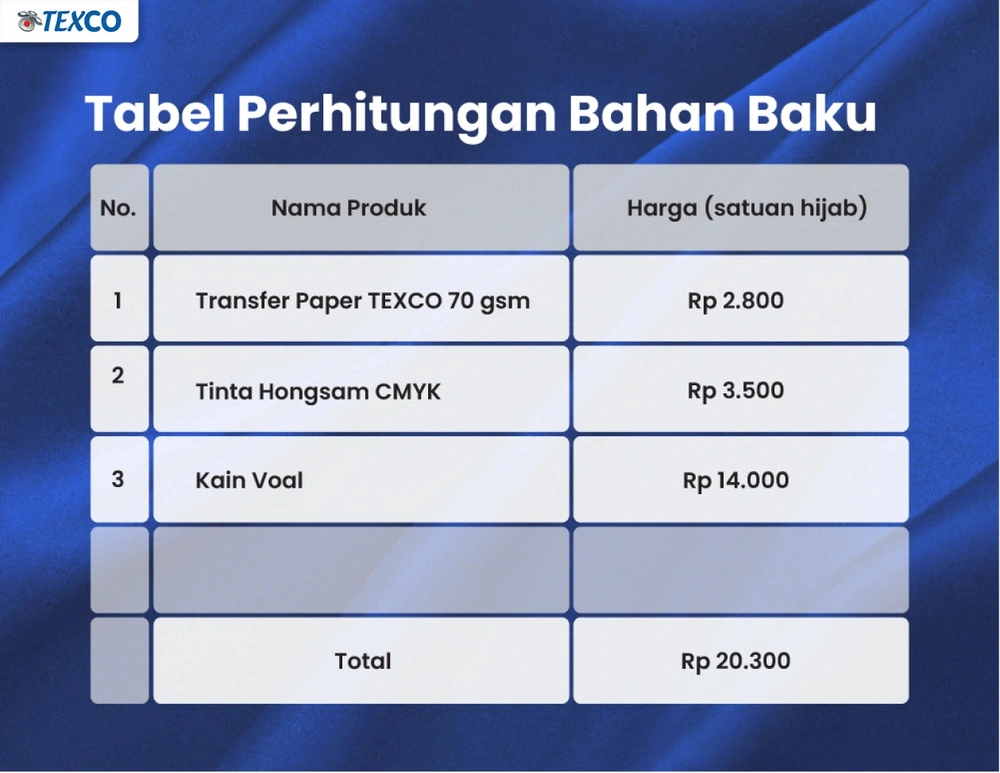
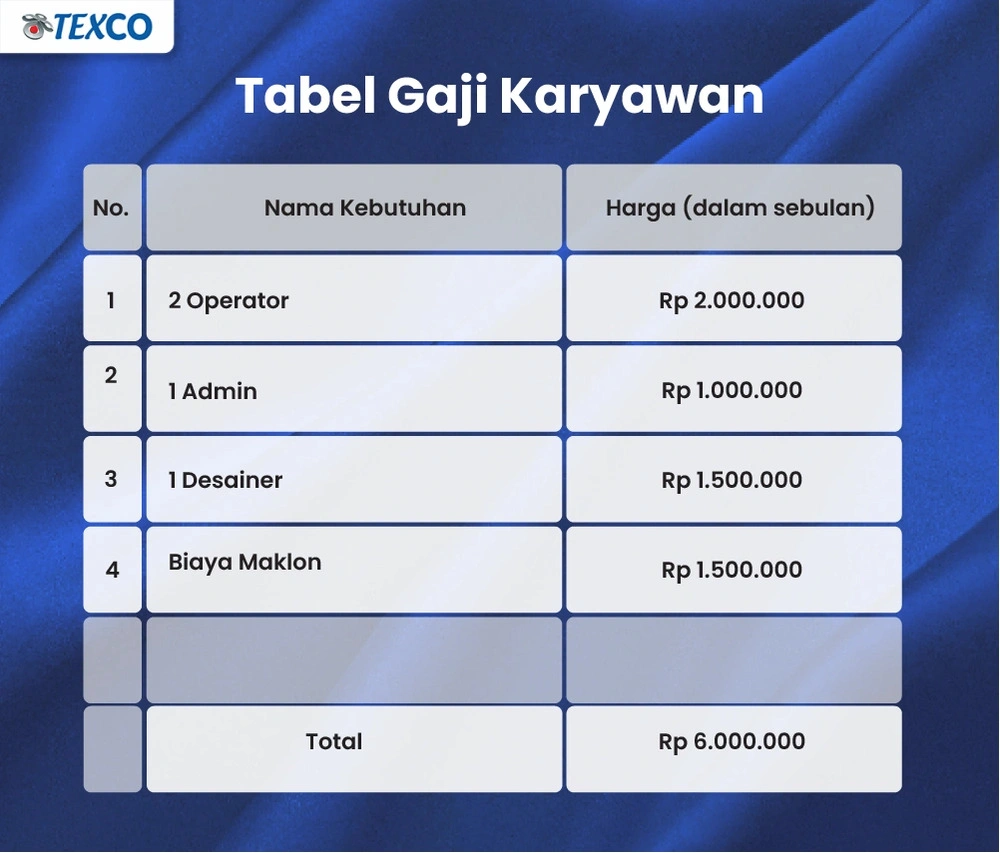
Moving on to cost calculations, you’ll want to break down expenses per shirt. Factor in blank garments, ink usage, pretreatment materials, and labor costs to determine profitable pricing structures.
Have you ever noticed how some print shops struggle with production efficiency? You can avoid this by carefully planning your workflow. Consider your production speed capabilities and ideal batch sizes.
Your business plan should include strategies for handling both small and large orders. Keep in mind that while DTG excels at small custom runs, it might not be cost-effective for massive quantities.
Finally, establish your unique market position. Target customers like startup brands, event planners, or online retailers who value customization and quick turnaround times.
Comparison with Other Printing Methods

You’ll find that choosing between printing methods comes down to understanding their unique strengths and limitations in today’s custom apparel market. When comparing DTG to traditional methods like screen printing, DTF printing, and sublimation, you’ll notice that each has specific advantages for different production needs and materials. You’ll want to take into account factors like print quality, production volume, fabric compatibility, and cost-effectiveness to determine which method best fits your specific requirements.
DTG vs Screen Printing
When choosing between DTG and screen printing, understanding their distinct advantages can help you make the right choice for your project. Modern dtg printing solutions offer incredible detail and flexibility for small runs, while screen printing excels in bulk production.
You’ll find DTG perfect for complex, colorful designs with photorealistic quality. It’s also eco-friendly, using water-based inks that minimize environmental impact. However, the prints may not last as long as screen-printed alternatives.
Screen printing delivers unmatched durability and vibrant colors that pop, especially on dark fabrics. But it comes with higher setup costs and minimum order requirements.
Here are three key factors to weigh when deciding:
- Order size: DTG is cost-effective for small runs (1-50 items), while screen printing becomes more economical for larger quantities
- Design complexity: DTG handles intricate, multi-colored designs better, while screen printing works best with simpler designs
- Timeline: Screen printing is faster for bulk orders, but DTG offers quicker turnaround for small batches and rush orders
Evaluate your specific needs in terms of quantity, design complexity, and durability to determine which method suits your project best.
DTG vs DTF Printing
Understanding the differences between DTG and DTF printing can significantly impact your choice of garment decoration method. Let’s investigate how these two popular garment printing solutions stack up against each other.
You’ll find DTG excels at producing vibrant, soft-feeling prints directly onto cotton and cotton-blend fabrics. It’s perfect when you’re handling large-scale orders with minimal manual intervention.
DTF brings incredible versatility to the table. You can print on virtually any fabric type without pretreatment, from cotton to leather and even non-textile surfaces.
Let’s talk about quality differences. DTG creates prints that feel like part of the garment, while DTF produces slightly thicker, more durable designs.
Moving on to business considerations, DTG requires a higher initial investment but proves cost-effective for high-volume production. DTF starts cheaper but needs more hands-on operation.
You might wonder about efficiency. DTG shines with automation and consistency in large runs. DTF offers flexibility for smaller batches and diverse applications.
Here’s a key distinction: DTG limits you to garment printing, while DTF opens doors to printing on mugs, metals, and wood. Choose based on your specific business goals and target market.
With startup costs between $2,000 to $8,000, DTF printing provides an accessible entry point for entrepreneurs looking to start a printing business.
DTG vs Sublimation
While both DTG and sublimation printing serve unique purposes in garment decoration, they differ significantly in their application methods and ideal use cases. You’ll find that each technique has its sweet spot in the custom printing world.
Let’s examine the key differences that’ll help you choose the right method for your projects:
- Fabric compatibility: DTG works best on cotton and cotton blends, while sublimation shines on polyester materials
- Print process: DTG prints directly onto garments requiring pretreatment, whereas sublimation transfers designs through heat and pressure
- Color capabilities: DTG can print white ink on dark fabrics, but sublimation works primarily on light-colored materials
When you’re working with cotton t-shirts and need vibrant, photo-realistic prints, DTG is your go-to choice. Sublimation, however, excels with polyester sportswear and produces incredibly durable results.
You’ll want to reflect on your target market and product line before investing. DTG offers more versatility with fabric colors, while sublimation provides superior long-term durability and wash resistance.
The choice between DTG and sublimation often comes down to your specific business needs and customer demands. Modern sublimation printers like the PrecisionCore technology models deliver exceptional print quality for textile businesses.
Market Position
Direct-to-garment printing has carved out a significant position in the textile printing market, with a current value of $861.2 million and projected growth to $1.32 billion by 2034. You’ll find it’s particularly dominant in clothing and apparel, capturing an impressive 58.9% market share.
Let’s investigate how DTG stacks up against traditional methods. You’ll get photorealistic prints with incredible detail that screen printing just can’t match, especially for complex designs with fine lines and small text.
When it comes to eco-friendly printing, DTG takes the lead. You’re looking at water-based inks and minimal waste through on-demand production, making it a sustainable choice for your business.
Have you noticed how fashion trends change at lightning speed? DTG’s flexibility lets you adapt quickly, which is why it’s perfect for small runs and custom orders. While screen printing might be cheaper for large volumes, DTG’s lower setup costs make it ideal for your small-batch productions.
Moving forward, you’ll see even more innovations in DTG technology, especially in emerging markets like India and China, where distribution networks are expanding rapidly.
Future Trends
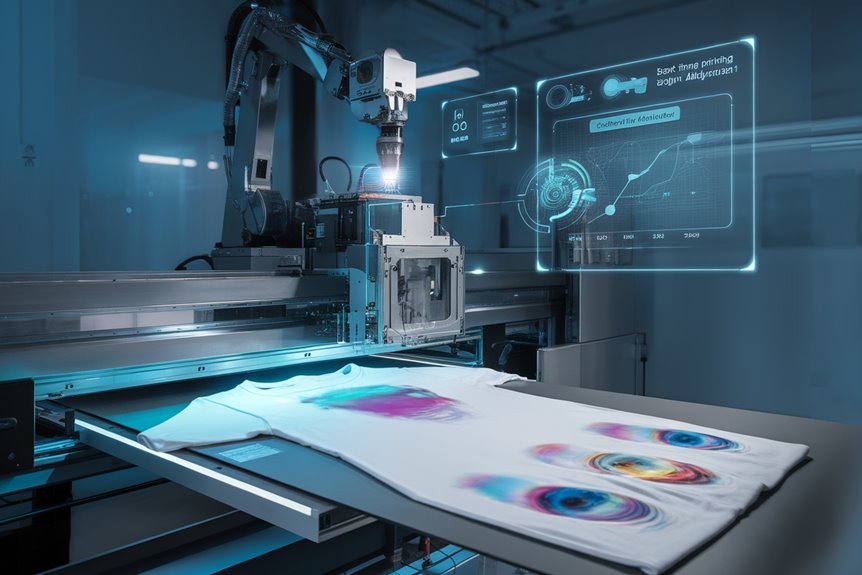
As technology continues to shape the future of textile printing, DTG printers are evolving to meet growing demands for sustainability, personalization, and efficiency. You’ll see sustainable printing practices becoming more widespread as the industry shifts toward eco-friendly solutions.
The future of DTG printing is bright with higher resolution capabilities and more vibrant color options. You’re going to experience unprecedented print quality thanks to advanced printheads and improved ink formulations.
Here’s what you can expect in the coming years:
- Smart automation features that’ll streamline your workflow and reduce human error
- Improved fabric compatibility through innovative pretreatment solutions
- Faster printing speeds without sacrificing quality, with some machines capable of producing finished garments in under 30 seconds
The market is projected to grow at a 4.4% CAGR through 2034, driven by your increasing demand for personalized apparel. You’ll benefit from machines that offer better precision, reduced waste, and lower operating costs.
This technology transformation means you can expect more sustainable, efficient, and cost-effective DTG printing solutions in the years ahead.
Conclusion
The future of DTG printing continues transforming the garment printing industry, revolutionizing textile customization with its ability to produce high-quality, detailed designs in unlimited colors.
DTG printing excels in modern business applications, particularly for short runs and custom orders. Its environmental benefits, including water-based inks and energy-efficient processes, support sustainable business practices.
While requiring initial investment, DTG printing offers unique advantages for e-commerce and custom apparel markets. Focus on small batch orders and detailed designs to maximize its potential.
As the technology evolves with improved quality, speed, and material compatibility, you’re well-positioned to grow with these industry advancements.
Frequently Asked Questions
How Long Do DTG Prints Last Before Fading or Cracking?
Your DTG prints will last practically forever with proper care! You’ll get 50+ washes before seeing any fading, especially if you’re using cold water and mild detergents. Quality pretreatment is key.
Can I Use Any Type of Ink in My DTG Printer?
You can’t use any ink in your DTG printer. You’ll need specialized water-based pigment inks designed for DTG printing that are compatible with your specific printer model.
What Regular Maintenance Schedule Should I Follow for My DTG Printer?
You’ll need daily tasks like nozzle checks and platen cleaning, weekly wiper blade maintenance, monthly encoder strip care, and yearly professional overhauls to keep your DTG printer running efficiently.
How Do Different Color Garments Affect the Final Print Quality?
You’d think darker garments would print better, but they’re trickier, requiring white underbase. Light garments give sharper prints with less pretreatment, while synthetic fabrics can distort your colors significantly.
What Humidity Levels Are Optimal for DTG Printer Operation?
You’ll want to maintain humidity between 45-80% RH, with 55% being ideal. This prevents clogged nozzles and guarantees peak print quality. Don’t let levels drop below 40%.