20 Profitable Printed Batik Fabric Motif Ideas in the Market
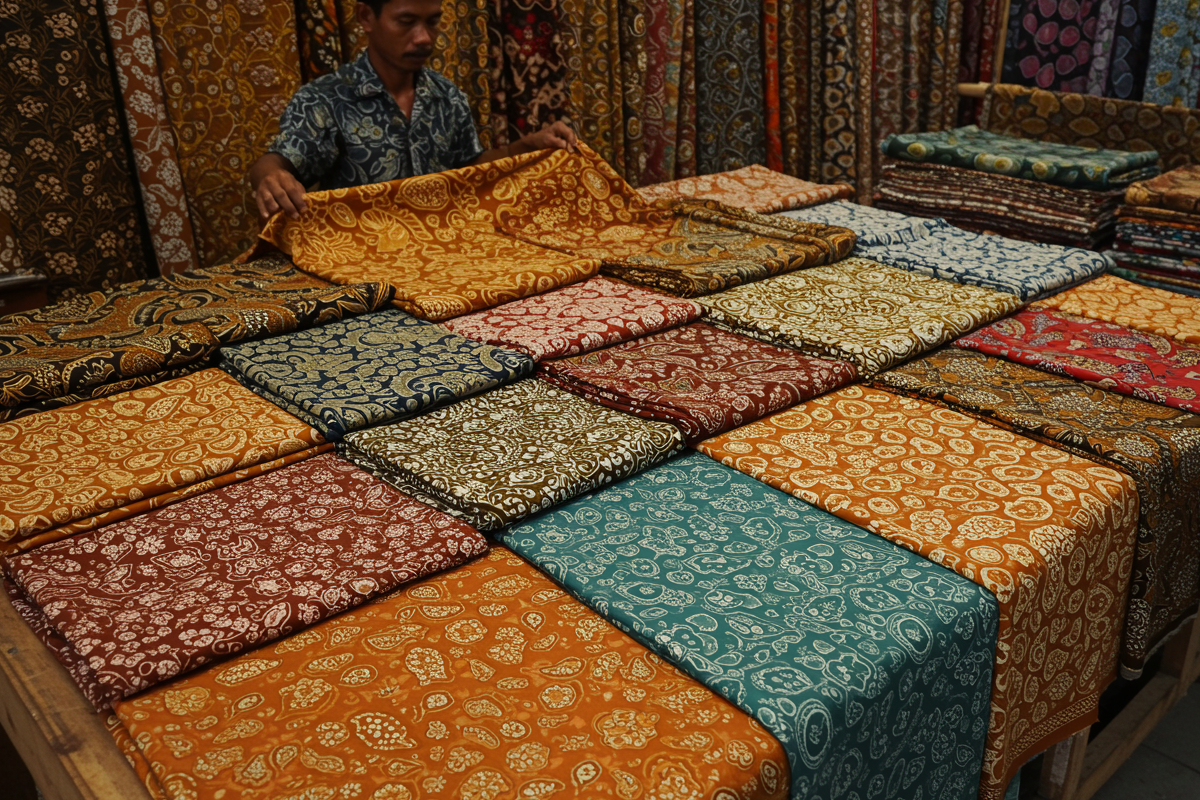
Modern batik printing offers you profitable opportunities by combining Indonesia’s heritage with contemporary market trends. You’ll find success with classic motifs like Parang and Kawung reimagined through vibrant sublimation printing. From Mega Mendung’s cloud patterns to Gentongan’s intricate florals, these designs adapt beautifully to direct-to-fabric technology at up to 3200 DPI. Let’s investigate how these 20 timeless patterns can transform your textile business.
Key Takeaways
- Combine Parang and Kawung motifs with modern color schemes to create contemporary fashion pieces that appeal to younger markets.
- Adapt Mega Mendung cloud patterns in gradient blues for home décor items, leveraging its natural and soothing aesthetic.
- Create fusion designs mixing Truntum’s star patterns with bold colors for accessories and casual wear collections.
- Implement Ceplok’s geometric patterns in eco-friendly direct-to-fabric printing for sustainable fashion lines targeting conscious consumers.
- Use Nitik’s dotted patterns with high-resolution sublimation printing for detailed, premium-quality garments that command higher prices.
Printing Technology
When you’re ready to bring your batik designs to life, you’ll want to investigate two powerful printing technologies that dominate today’s textile industry. Modern sublimation printing systems offer exceptional color vibrancy and durability on polyester fabrics, while direct-to-fabric technology lets you print directly onto natural materials like cotton and silk. You’ll find these technologies give you incredible flexibility in creating batik-inspired prints, whether you’re producing small custom runs or scaling up to larger production volumes.
Sublimation Printing Systems
Since digital sublimation printing has transformed fabric design, you’ll find it’s the perfect technology for creating vibrant batik-inspired patterns.
You’ll love how sublimation printers print designs onto transfer paper and then transfer them onto polyester fabrics using heat-activated ink. The colors become part of the material, not just surface-level prints
Your batik motifs will stay crisp and fade-resistant, even after multiple washes. The process lets you achieve intricate details that traditional methods can’t match.
Want to experiment? You can create stunning gradients and photorealistic effects that weren’t possible before. Plus, there’s no minimum order quantity when you’re testing new designs.
Modern sublimation systems can achieve up to 3200 DPI resolution for exceptionally detailed batik patterns.
Direct-to-Fabric Technology
While sublimation works best on polyester, direct-to-fabric printing lets you create batik patterns on nearly any textile.
You’ll love how direct-to-fabric printers can handle natural fibers like silk, cotton, and linen with stunning results. The ink penetrates deeply into the material for rich, lasting colors.
Want to experiment with different fabrics? This technology’s got you covered. You’re not limited to specific materials like with other printing methods.
The process is straightforward: design, print, cure. No transfer papers or extra steps needed. You’ll get professional results while maintaining traditional batik aesthetics.
With water-based inks providing eco-friendly production, this printing method uses 90% less water than conventional textile techniques.
Traditional Batik Motifs for Modern Printing
You’ll find a wealth of inspiration in Yogyakarta’s iconic batik patterns, from the royal Parang design to the intricate Sekar Jagad motif. Whether you’re looking to print classic Kawung circles or the modern Geblek Renteng pattern, these timeless designs adapt beautifully to today’s digital printing methods. If you’re feeling creative, you can mix traditional elements to create unique combination patterns that blend Yogyakarta’s heritage with your own artistic vision.
1. Parang (Yogyakarta & Solo Heritage)
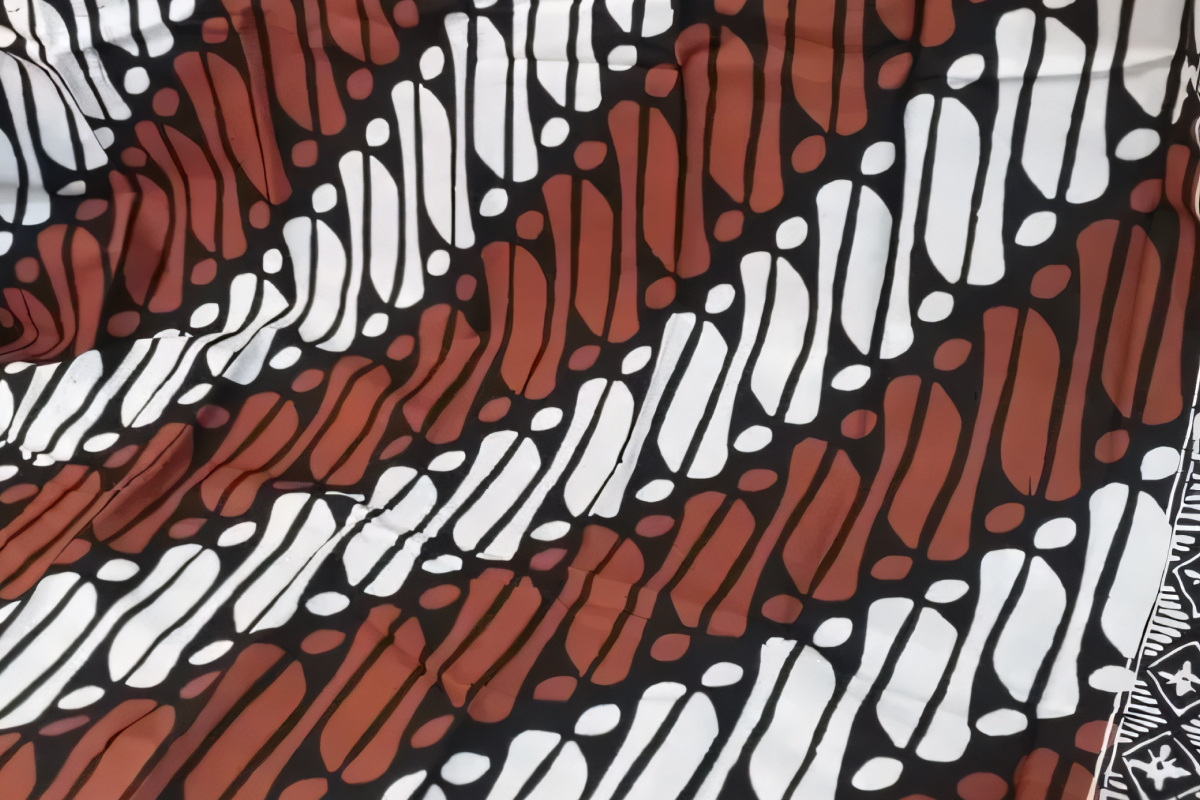
The elegant Parang motif stands as one of the most revered traditional batik patterns from the royal courts of Yogyakarta and Solo.
You’ll find this printed batik fabric design features diagonal lines forming continuous S-shaped patterns. These represent flowing waves and the never-ending cycle of life.
Want to modernize this royal pattern? Try experimenting with bold color combinations while maintaining the classic diagonal layout.
You can adapt the Parang motif’s size to suit different applications. Larger patterns work beautifully for formal wear, while smaller scales fit casual attire perfectly.
Remember that authentic Parang layouts always flow from high to low, symbolizing nobility and wisdom.
2. Sekar Jagad (Central Java & Yogyakarta)

Originating from Central Java and Yogyakarta, Sekar Jagad captures the essence of Indonesia’s diverse landscape in a stunning patchwork-like design.
You’ll find this textile surface design combines various smaller patterns into one harmonious piece, much like a beautiful garden in full bloom. That’s actually what “Sekar Jagad” means – “flowers of the universe.”
Using modern printing techniques, you can create this intricate motif on different fabrics. Each section typically features geometric shapes and floral elements.
Let’s investigate how you can adapt this traditional pattern. Try varying the scale or using contemporary color combinations while maintaining its distinctive patchwork structure.
3. Kawung (Yogyakarta Classic)

Steeped in royal heritage, Kawung stands as one of Yogyakarta’s most revered geometric batik patterns. You’ll find its timeless appeal in both traditional batik motifs and modern interpretations.
The pattern’s core elements mirror nature’s perfect symmetry:
- Four oval shapes representing palm fruit or lotus petals
- Central circle symbolizing cosmic unity and leadership
- Geometric repetition creating a mesmerizing flow
- Negative spaces forming additional diamond patterns
You can modernize this classic design using Texco’s DTF or sublimation printers. The pattern’s versatility makes it perfect for contemporary fashion pieces while maintaining its cultural significance.
4. Geblek Renteng (Yogyakarta Contemporary)

Modern and vibrant, Geblek Renteng captures Yogyakarta’s evolution into contemporary batik design.
You’ll notice this motif features circular patterns inspired by a local snack called geblek, arranged in continuous (renteng) rows.
Through digital textile printing, you can now produce this eye-catching design with stunning color variations and precise details.
The pattern’s versatility lets you experiment with both traditional and modern color schemes. Try bold purples or teals for a fresh twist.
Your clients will appreciate how this contemporary motif maintains its Yogyakarta roots while embracing modern aesthetics. It’s perfect for fashion-forward collections targeting younger markets.
5. Combination Patterns (Yogyakarta Fusion)

While traditional batik patterns shine on their own, combining multiple Yogyakarta motifs creates stunning fusion designs that you’ll love printing digitally. You’ll play an important role in textile heritage preservation while crafting modern masterpieces.
Get creative with these popular Yogyakarta fusion combinations:
- Parang Rusak with Kawung circles for dynamic movement
- Truntum stars merged with Sido Mukti geometric shapes
- Mega Mendung clouds floating through Semen Rama gardens
- Ceplok flowers intertwined with Gurda wing patterns
These combinations work beautifully with DTF and sublimation printing techniques. You’ll create distinctive pieces that honor tradition while embracing contemporary textile innovation.
6. Ceplok (Yogyakarta Geometric)

Speaking of geometric patterns, Ceplok stands as one of Yogyakarta’s most versatile traditional motifs. You’ll find this design characterized by repeating symmetrical shapes arranged in fascinating grids.
For modern pattern development, you can digitally improve Ceplok’s classic elements using Texco’s DTF or sublimation printing systems. Try incorporating circles, squares, ovals, flower petals, and octagons in your design variations.
You’ll want to experiment with different scale sizes to create contemporary looks. Consider mixing bold colors with metallic accents for a fresh twist.
This geometric style works exceptionally well for fashion accessories and home décor items where you need precise, clean-lined patterns.
7. Nitik (Yogyakarta Traditional)
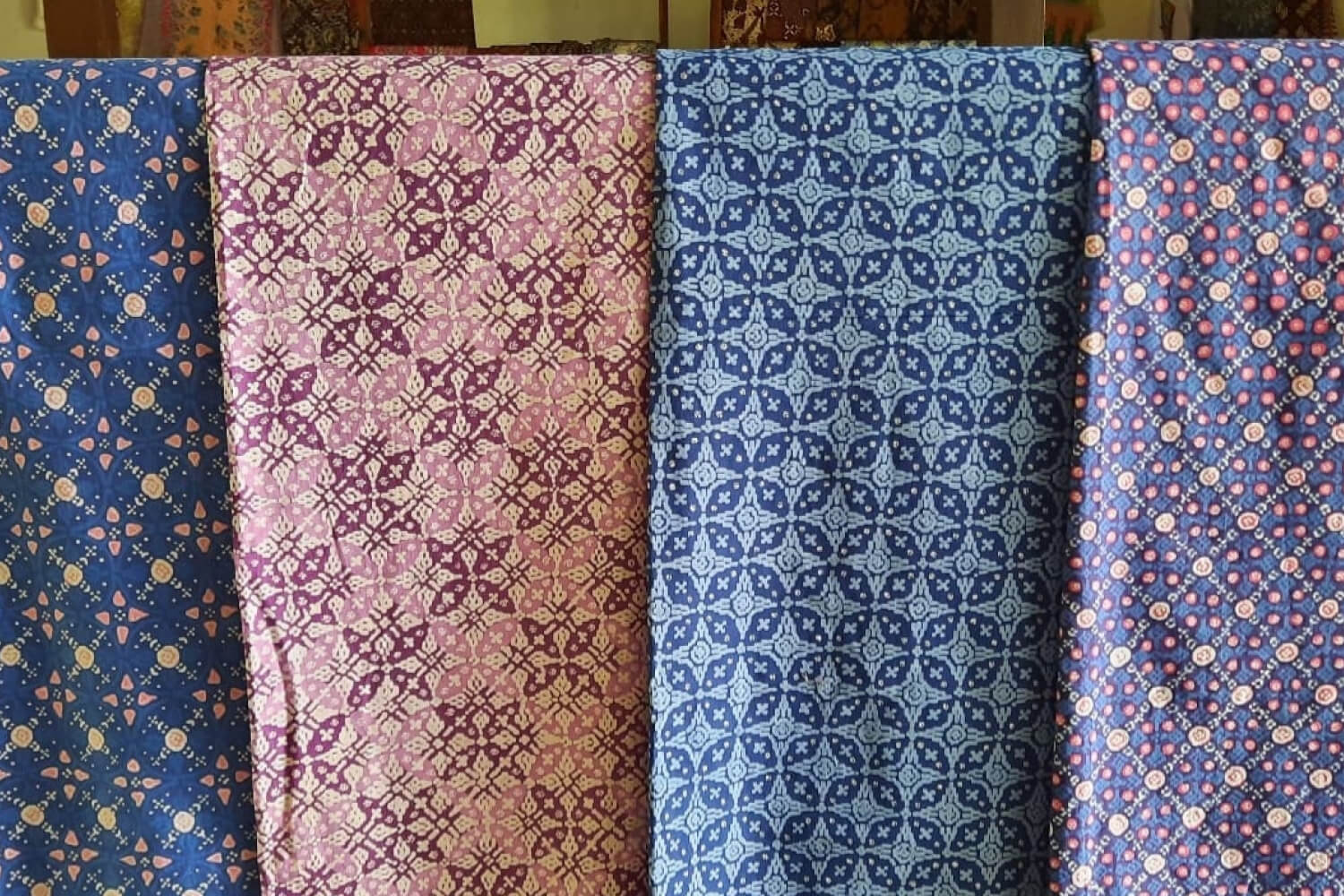
Traditional artisans have long treasured Nitik, a delicate dot-based pattern from Yogyakarta that mimics the intricate weaving of textiles.
You’ll find this custom fabric design perfect for modern digital printing. The pattern’s subtle beauty adapts well to both traditional and contemporary color schemes.
Let’s investigate four key characteristics that make Nitik special:
- Tiny dots arranged in geometric formations
- Repetitive diamond-shaped layouts
- Flowing lines created through dotted patterns
- Neutral spaces that balance the intricate details
You can easily print these patterns using DTF or sublimation techniques for stunning results.
8. Kraton (Yogyakarta Royal)
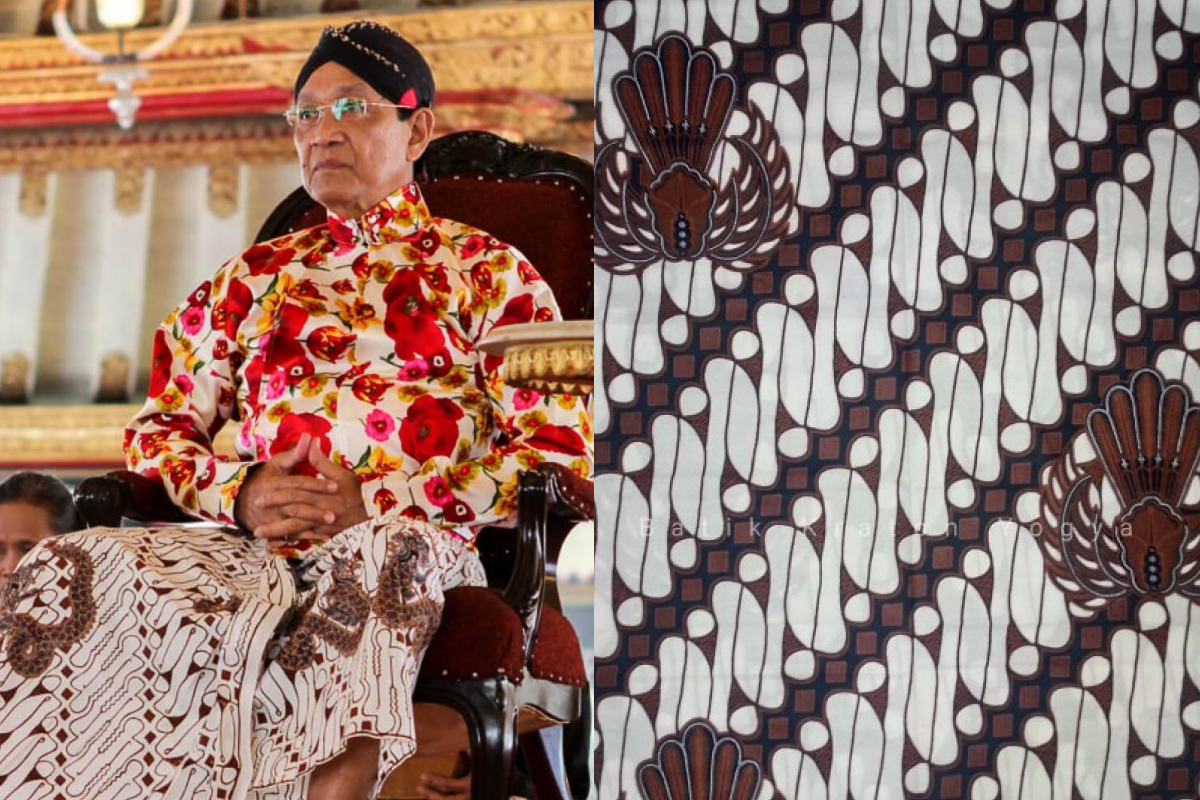
Majestic patterns from Yogyakarta’s royal palace inspire the Kraton motif design.
You’ll uncover heritage patterns that blend royal symbolism with modern appeal. The intricate designs feature geometric shapes and floral elements traditionally reserved for nobility.
Let’s investigate how you can adapt these regal motifs using Texco’s DTF or sublimation printers. Your customers will appreciate the authentic cultural elements mixed with contemporary style.
Transform these palace-inspired patterns into stunning prints for fashion or home decor. The versatile motifs work beautifully on both polyester and natural fabrics through Texco’s diverse printing solutions.
You’re preserving cultural artistry while creating marketable designs that appeal to today’s consumers.
9. Lereng (Solo Heritage)

Rich in diagonal patterns that symbolize eternal flow, Solo’s cherished Lereng motifs present a perfect canvas for modern textile printing. You’ll find these heritage designs adapt beautifully to contemporary batik printing methods.
Let’s investigate how you can maximize Lereng’s commercial appeal:
- Use DTF printing for versatile fabric applications
- Apply sublimation techniques for vibrant polyester pieces
- Blend traditional colors with trending palettes
- Incorporate metallic accents through specialized inks
You’ll notice how these diagonal patterns work exceptionally well with Texco’s direct-to-fabric printers. They’re perfect for creating high-end fashion pieces that combine cultural authenticity with modern sophistication.
10. Truntum (Solo Classic)

Moving from Solo’s diagonal elegance, the Truntum motif captures a different kind of beauty with its star-like floral patterns.
You’ll find this classic design represents eternal love through its repetitive small flower clusters. It’s perfect for modern fabric design techniques using DTF or sublimation printing.
When you’re planning to print this motif, you’ll want to focus on detailed color gradients. Your Texco printer can capture the intricate dots and petals beautifully.
Try combining traditional dark indigo with contemporary color palettes. This adaptation makes the Truntum pattern appealing to both heritage enthusiasts and modern fashion lovers.
11. Sogan (Solo Signature)

The timeless Sogan style from Solo features earth-toned patterns in classic brown hues. You’ll find this sustainable fabric production technique creates rich, sophisticated designs perfect for modern business attire.
When you’re ready to print Sogan patterns, consider these essential elements:
- Dark brown base colors derived from traditional tree bark dyes
- Geometric patterns featuring small dots and lines
- Natural motifs like leaves and flowers in lighter shades
- Complementary beige or cream accents for depth
You can easily adapt these patterns for your DTF or sublimation printing projects. The versatile Sogan style works beautifully for both casual wear and formal occasions.
12. Tujuh Rupa (Pekalongan Variety)

Vibrant Tujuh Rupa patterns from Pekalongan showcase seven signature colors in their designs. You’ll find these eye-catching motifs perfect for modern textile manufacturing with digital printing techniques.
The traditional seven colors typically include red, yellow, blue, green, violet, brown, and black. You can easily adapt these patterns for your contemporary collections.
Let’s investigate how you’ll benefit from this style. Your customers will appreciate the coastal influence in these patterns, featuring sea creatures and water elements.
Using Texco’s DTF or sublimation printers, you’ll achieve vibrant color reproduction that stays true to Pekalongan’s heritage while meeting today’s market demands.
13. Jlamprang (Pekalongan Geometric)

Among Pekalongan’s geometric treasures, Jlamprang patterns stand as masterpieces of mathematical precision in batik design. Modern textile printing technology lets you capture these intricate motifs with stunning accuracy.
You’ll discover why Jlamprang remains a customer favorite:
- Octagonal stars arranged in perfect symmetry
- Repeating circular patterns that create mesmerizing depth
- Traditional blue and white color schemes that suit contemporary tastes
- Geometric precision that’s ideal for digital reproduction
Using DTG or sublimation printing, you can adapt these timeless patterns for today’s market. The pattern’s versatility works exceptionally well on both traditional garments and modern fashion pieces.
14. Buketan (Pekalongan Floral)

Blooming with European-influenced elegance, Buketan motifs showcase Pekalongan’s masterful fusion of Dutch floral designs with Indonesian artistry.
You’ll notice these cultural textile designs feature delicate roses, peonies, and chrysanthemums arranged in graceful bouquets.
Let’s investigate how you can modernize this classic pattern using digital printing techniques. The motif’s intricate details work beautifully with today’s high-resolution printers.
Try combining traditional floral elements with contemporary color palettes. Your customers will appreciate the blend of heritage and innovation.
These designs particularly shine when printed on silks and light cottons using direct-to-fabric systems.
15. Pring Sedapur (East Java Bamboo)

The majestic bamboo groves of East Java come alive in the Pring Sedapur motif. You’ll find this contemporary textile design captures nature’s resilience and community.
Let’s investigate how you can modernize this traditional pattern:
- Layer bamboo stalks in varying opacities for depth
- Experiment with metallic inks on your DTF printer for luxury appeal
- Use sublimation printing to create gradient effects on polyester
- Combine with geometric elements for a fresh twist
Want to make this pattern stand out? Try Texco’s high-grade transfer paper to achieve crisp details in your bamboo renditions. Your clients will appreciate how you’ve brought this timeless motif into the modern era.
16. Sidomukti (East Java Prosperity)

Moving from bamboo’s natural grace, let’s investigate East Java’s prestigious Sidomukti pattern. This regal motif represents prosperity and noble aspirations.
You’ll notice geometric patterns featuring intricate rhombus shapes and symmetrical designs. These elements symbolize balance and harmony in life.
For a modern batik interpretation, you can print this pattern using Texco’s DTF printers. The versatile technology captures every detail.
Try combining traditional earth tones with contemporary metallic accents. Your clients will appreciate this fresh take on heritage.
The Sidomukti pattern works beautifully on formal wear and high-end home textiles. It’s perfect for upscale markets seeking cultural authenticity.
17. Tambal (Yogyakarta Patchwork)

Patchwork patterns find their deepest expression in Yogyakarta’s beloved Tambal motif. You’ll discover a pattern adaptation that speaks to life’s healing journey through geometric shapes.
This versatile design lets you create modern interpretations using Texco’s digital printing solutions. You’re looking at a motif that’s perfect for contemporary fashion and home décor.
Here’s what makes Tambal special:
- Geometric patches symbolizing life’s continuous repair
- Versatile pattern scaling for various applications
- High-contrast elements ideal for sublimation printing
- Easy customization for modern color schemes
Transform this traditional pattern using DTF or sublimation techniques for stunning results.
18. Mega Mendung (Cirebon Cloud)

Originating from Indonesia’s coastal city of Cirebon, Mega Mendung’s cloud-like patterns capture nature’s flowing beauty in graduated blue hues.
You’ll find this motif’s distinctive geometric patterns ranging from light to dark shades, creating a mesmerizing layered effect that’s perfect for modern textile printing.
Using Texco’s DTF or sublimation printers, you can easily recreate these traditional cloud designs while maintaining their intricate details.
Let’s investigate how you can adapt this classic pattern: Try varying the traditional blue with contemporary colors or experiment with scale variations to create stunning sportswear and fashion pieces that’ll stand out in today’s market.
19. Gentongan (Madura Artisanal)

The ancient art of Gentongan from Madura island showcases some of Indonesia’s most intricate and labor-intensive batik designs.
You’ll love how these natural patterns translate beautifully to modern digital printing. The designs reflect Madura’s rich cultural heritage through detailed motifs.
Here’s what makes Gentongan patterns perfect for your textile printing business:
- Intricate floral scrolls that create premium appeal
- Geometric borders ideal for contemporary fashion
- Nature-inspired elements that resonate with eco-conscious buyers
- Adaptable color schemes that work on various fabrics
These timeless patterns work exceptionally well with DTF and sublimation printing technologies.
20. Simbut (Banten Traditional)
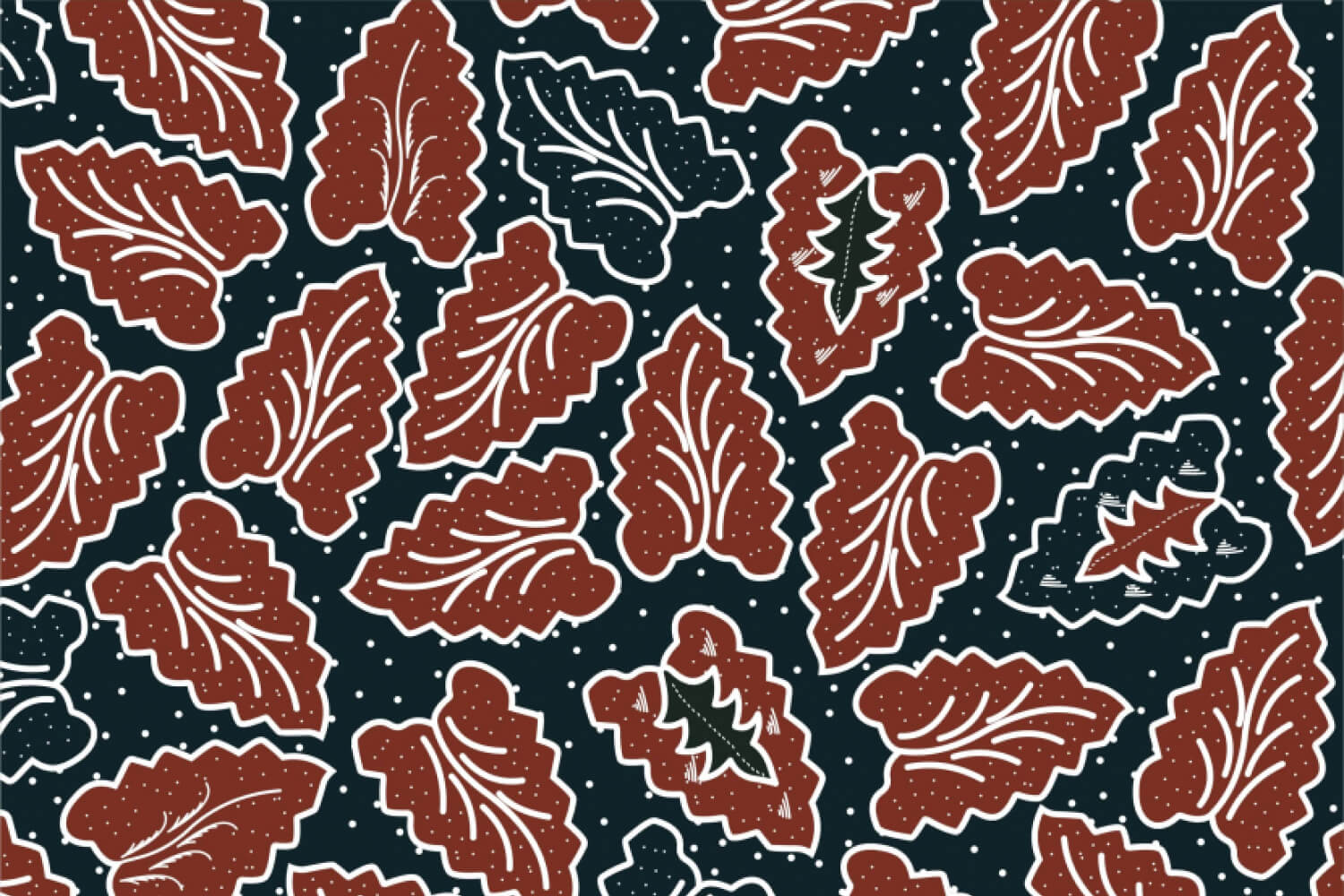
Distinguished by bold geometric patterns, Banten’s Simbut batik stands out with its sophisticated arrangement of repeated motifs.
You’ll find this design perfectly suited for today’s textile market trends, especially when produced using DTF or sublimation printing techniques.
The traditional Simbut patterns feature intersecting lines and diamond shapes that you can easily modernize with contemporary color palettes.
Let’s investigate how you can adapt this motif using Texco’s printing solutions. The geometric precision works exceptionally well with digital printing technology.
You might consider combining classic Simbut elements with gradient effects – it’s a fantastic way to create unique, market-ready designs.
Conclusion
Modern digital printing technology has transformed how you can create beautiful batik-inspired designs. With fabric innovation at your fingertips, you’re ready to investigate endless creative possibilities.
Whether you’re starting a new business or expanding your product line, digital textile printing offers exciting opportunities. Here’s what you’ve learned about batik motifs:
- Traditional patterns can be modernized for contemporary markets
- Digital printing enables consistent, high-quality production
- Various printing technologies suit different fabric types
- Custom designs help you stand out in the marketplace
Investing in sustainable textile materials can enhance your product quality while meeting growing environmental demands.
You’re now equipped to blend heritage with innovation in your textile printing journey.