A Complete Guide to Understanding Sublimation Print
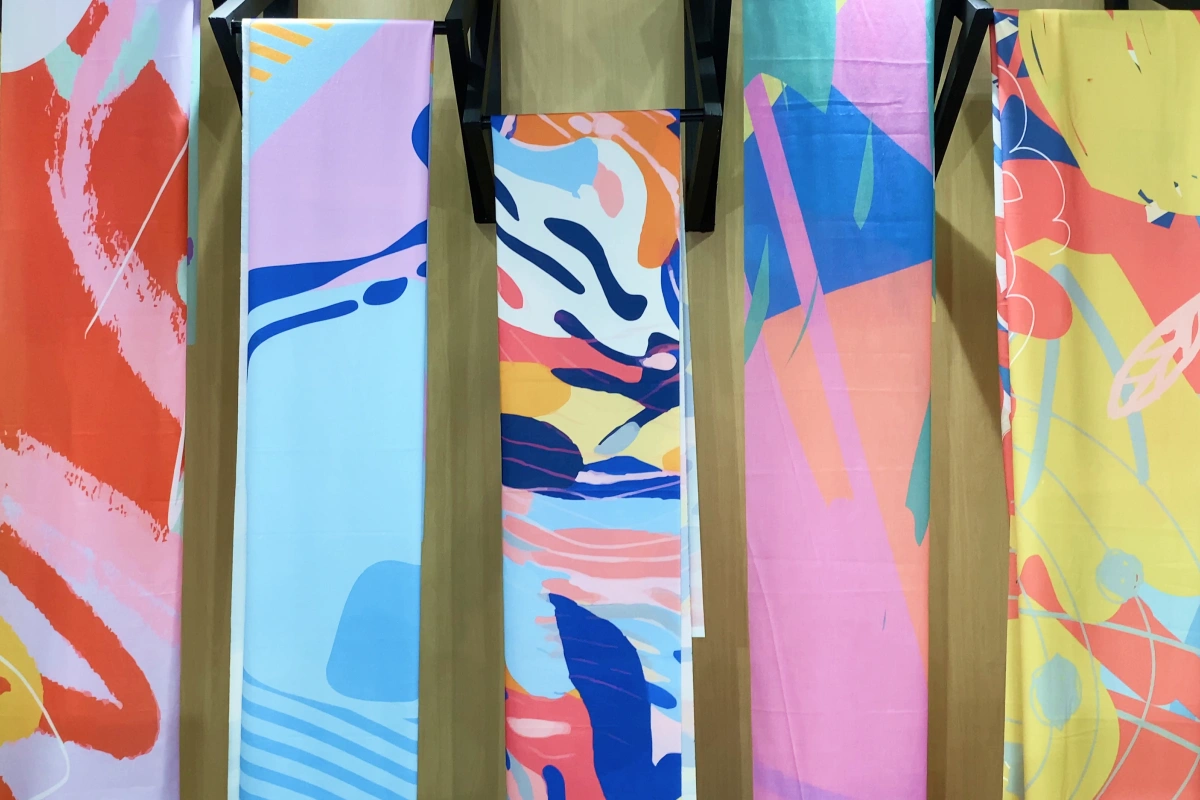
Dye-sublimation printing lets you create stunning, permanent designs on polyester fabrics and polymer-coated items. Through this process, special sublimation inks transform from solid to gas when heat and pressure are applied, bonding with the material’s fibers. You’ll get vibrant, long-lasting results that won’t fade or peel since the design becomes part of the substrate.
While you’ll need specific materials and equipment to start, the quick turnaround time and professional-quality output make it ideal for custom apparel, promotional items, and home décor. Understanding the fundamentals will help you reveal endless creative possibilities with this versatile printing method.
Key Takeaways
- Dye-sublimation printing transforms solid ink into gas using heat and pressure to permanently bond designs with polyester materials.
- The process requires special transfer paper, sublimation inks, and heat press equipment to achieve professional-quality results.
- Best results are achieved on light-colored polyester fabrics or polymer-coated items, making material selection crucial.
- Designs become part of the substrate rather than sitting on top, resulting in vibrant colors that won’t fade or peel.
- While initial costs are high, sublimation printing excels at producing detailed, full-color designs with consistent quality.
What is Dye-Sublimation Printing?
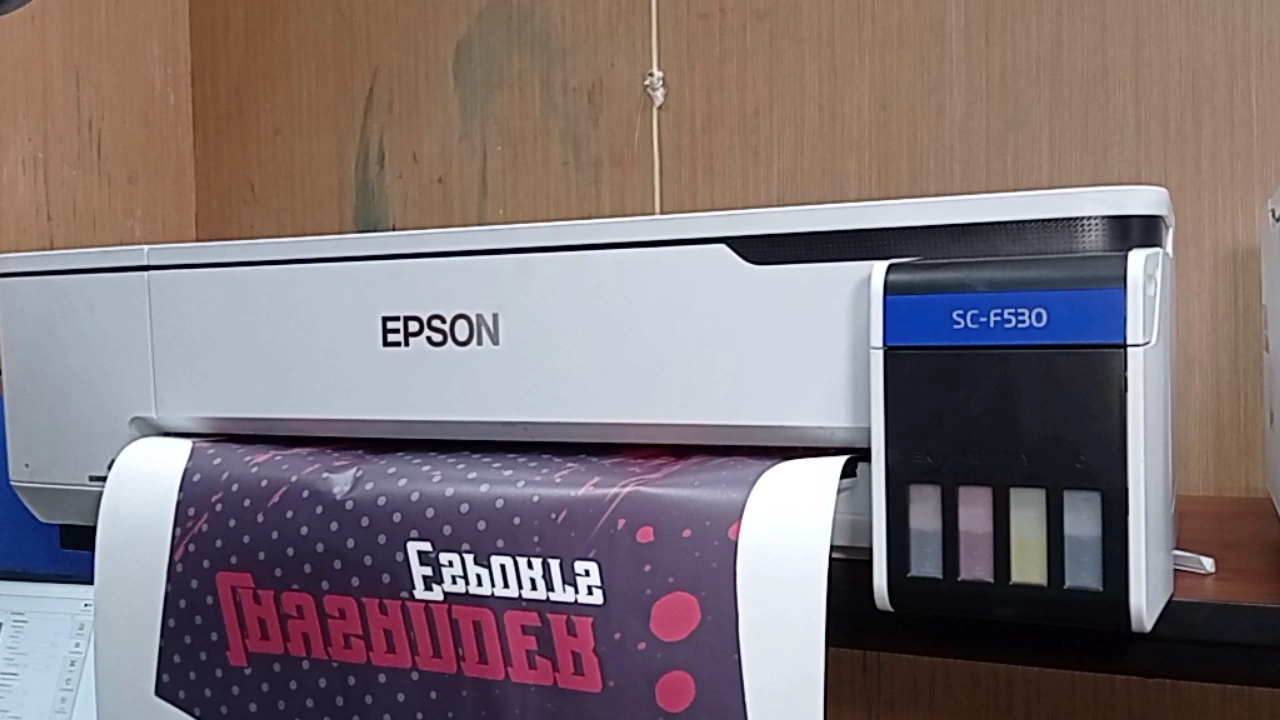
Through the process of dye-sublimation printing, designs are transferred onto materials using heat and pressure, converting solid ink directly into gas that bonds with the substrate. You’ll find this innovative textile printing method creates vibrant, long-lasting results that won’t crack or peel.
When you’re ready to start the sublimation process, your design is first printed onto special transfer paper using sublimation inks. Then, heat and pressure are applied, causing the ink to transform from solid to gas, skipping the liquid phase entirely. The gas penetrates the material’s fibers and becomes permanently part of the substrate.
You’ll get the best results with polyester fabrics or polymer-coated items. The finished product features rich colors and detailed designs that won’t fade, even after multiple washes. It’s like giving your materials a permanent, high-quality tattoo.
Modern sublimation printers like the SC-F530 can achieve stunning image quality with 2400 x 1200 dpi resolution capabilities.
How Does the Dye-Sublimation Printing Process Work?
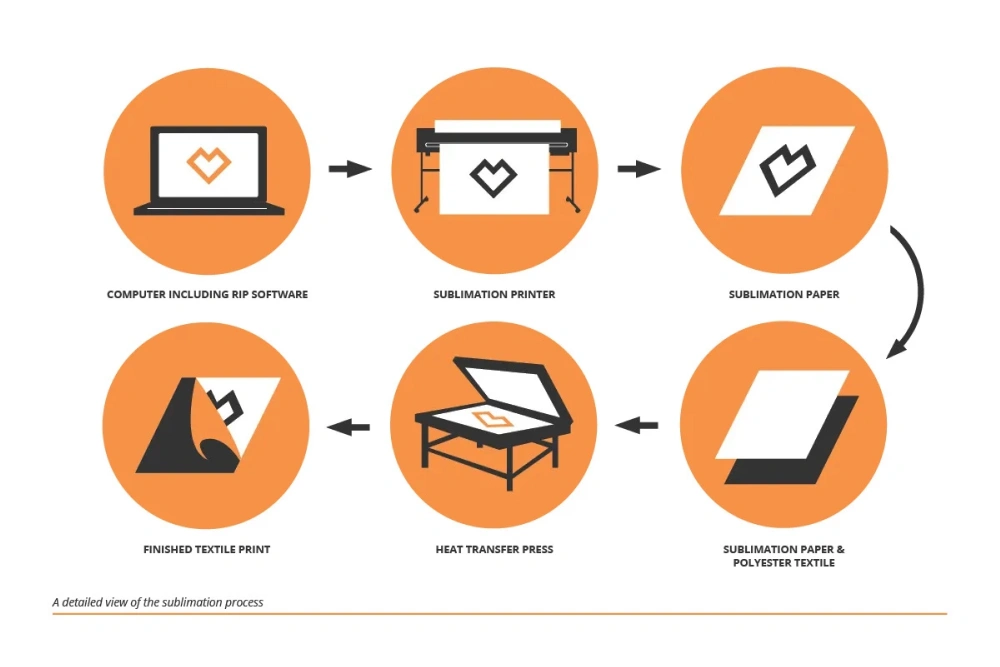
The dye-sublimation printing process follows several precise steps to create lasting, vibrant designs. First, you’ll need to print your design onto special sublimation transfer paper using sublimation inks.
Next, you’ll place your transfer paper onto your polyester fabric or substrate. When you apply heat (typically around 380-400°F), something amazing happens – the solid ink turns directly into gas, skipping the liquid phase entirely.
The heat transfer process forces the gas into the material’s polymers, where it becomes permanently part of the fabric. This is why you’ll get exceptional print durability with sublimation – your designs won’t crack, peel, or fade like traditional printing methods.
You can expect the entire process to take just a few minutes while delivering professional-quality results.
Professional printers like the dual print heads technology found in modern systems ensure precise color application and superior image quality.
Advantages and Disadvantages of Dye-Sublimation Printing
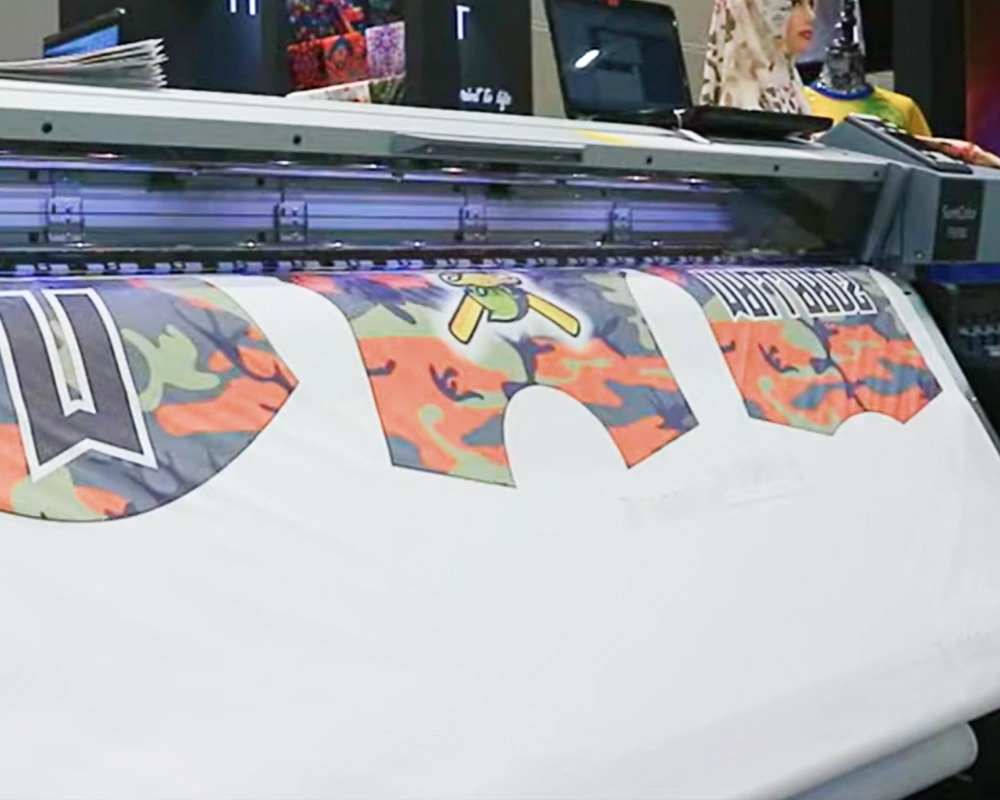
You’ll want to understand both sides of dye-sublimation printing before investing in this technology. The advantages include vibrant, long-lasting colors that won’t fade or crack, plus the ability to print detailed designs across entire surfaces. However, the drawbacks include the need for specific polyester-based materials, higher startup costs, and limitations on fabric colors you can print on. Professional printers like the Epson SureColor series offer high-speed output up to 108.6 m2 per hour for large-scale production needs.
Advantages of Dye-Sublimation Printing
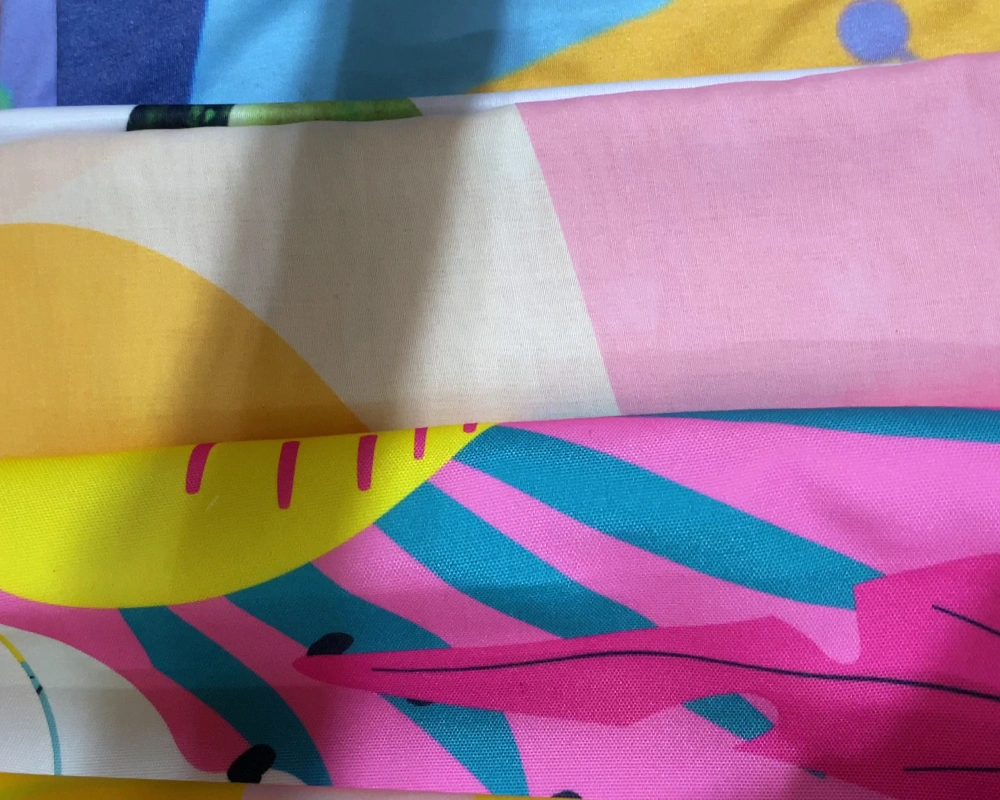
Several significant advantages make dye-sublimation printing an attractive choice for custom fabric printing.
You’ll find that this digital printing method delivers exceptional color vibrancy and image quality that’s hard to match with other techniques.
When you use sublimation inks, your designs become part of the fabric rather than sitting on top. This means you won’t have to worry about your prints cracking, peeling, or fading over time.
You can achieve stunning full-color designs with incredible detail and smooth color gradients. There’s no limit to the number of colors you can use in a single design.
The process is also remarkably efficient. You’ll get consistent results, quick turnaround times, and the ability to print complex designs without additional setup costs.
For even more dramatic effects, fluorescent ink options are available in yellow and magenta variants, adding striking visibility to your designs.
Disadvantages of Dye-Sublimation Printing
While dye-sublimation printing offers many benefits, it comes with notable limitations you should consider before investing.
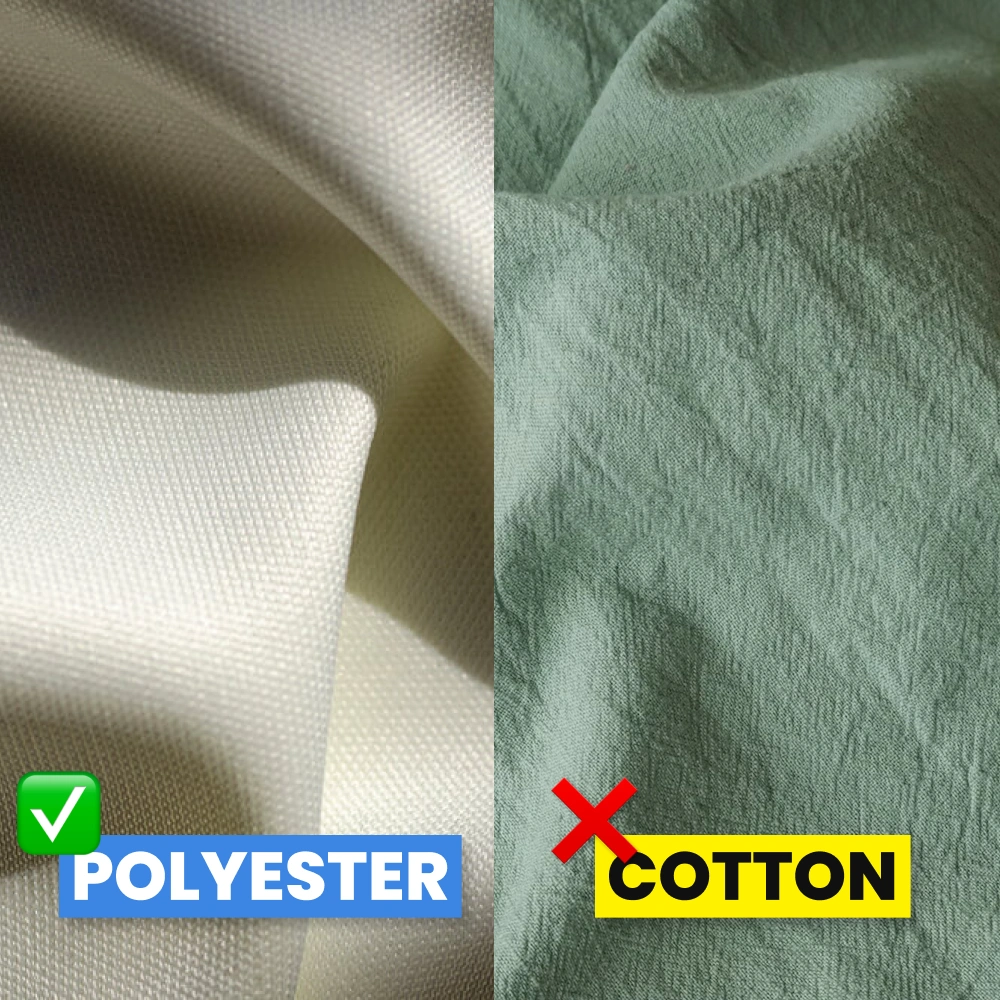
The biggest drawback is material restriction. You’ll only get ideal results with polyester fabrics or items with at least 70% polyester content. Cotton and other natural fibers won’t work well with this method.
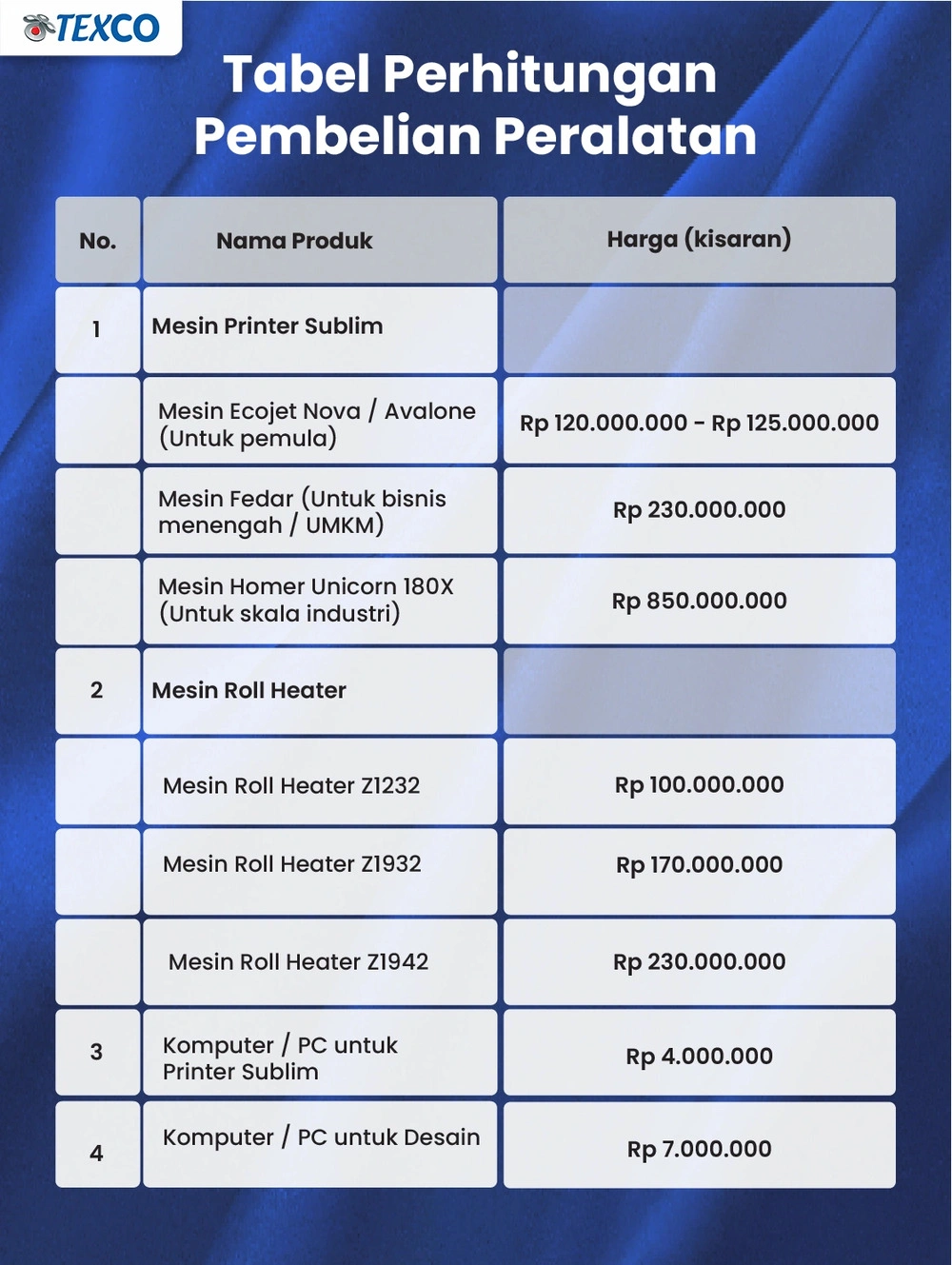
Starting costs can be significant. You’ll need specialized equipment including a heat press, sublimation printer, and sublimation paper. These initial investments might impact your print on demand business plans.
Color limitations are another concern. You can’t print on dark materials, as sublimation works best on white or light-colored surfaces. The process may also produce inconsistent results if the temperature and pressure aren’t perfectly controlled during transfer.
The advantages of sublimation don’t outweigh these constraints for all business models, so evaluate your specific needs carefully.
For large-scale production needs, industrial machines with 1.9 meter width capabilities are available to handle high-volume printing of textiles like jerseys and carpets.
Suitable Designs for Dye-Sublimation Printing
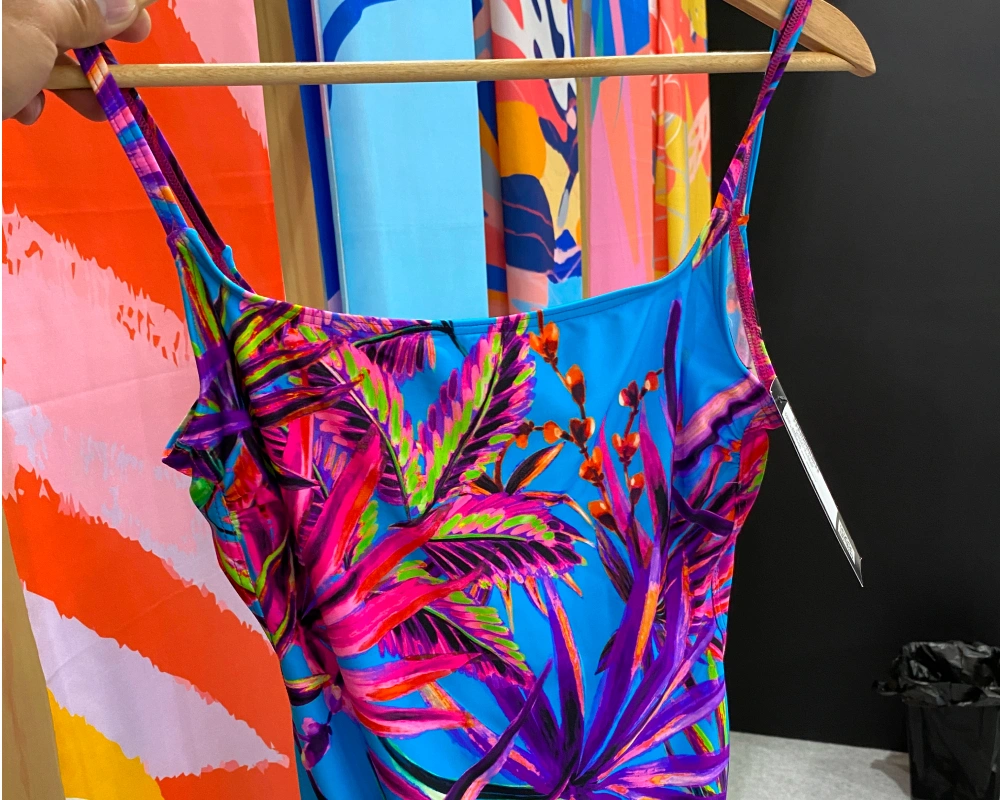
Through the versatility of dye-sublimation printing, virtually any design can be transferred onto suitable materials, though some designs work particularly well with this technique.
You’ll get the best results with designs that showcase vibrant colors and intricate details. Since CMYK printing allows for smooth color transitions, photographs and complex artwork really shine through polyester printing methods.
The PrecisionCore MicroTFP technology enables exceptional print quality with resolutions up to 720 x 1440 dpi for incredibly detailed designs.
When creating your designs for design transfer, you’ll want to focus on:
- Full-color illustrations with gradients
- High-resolution photographs
- Detailed patterns and textures
- Designs that utilize the entire print area
Remember that small, simple logos or single-color designs mightn’t maximize the potential of sublimation printing. Instead, opt for designs that take advantage of the technique’s ability to reproduce unlimited colors and photographic details with exceptional clarity.
Unsuitable Designs for Dye-Sublimation Printing
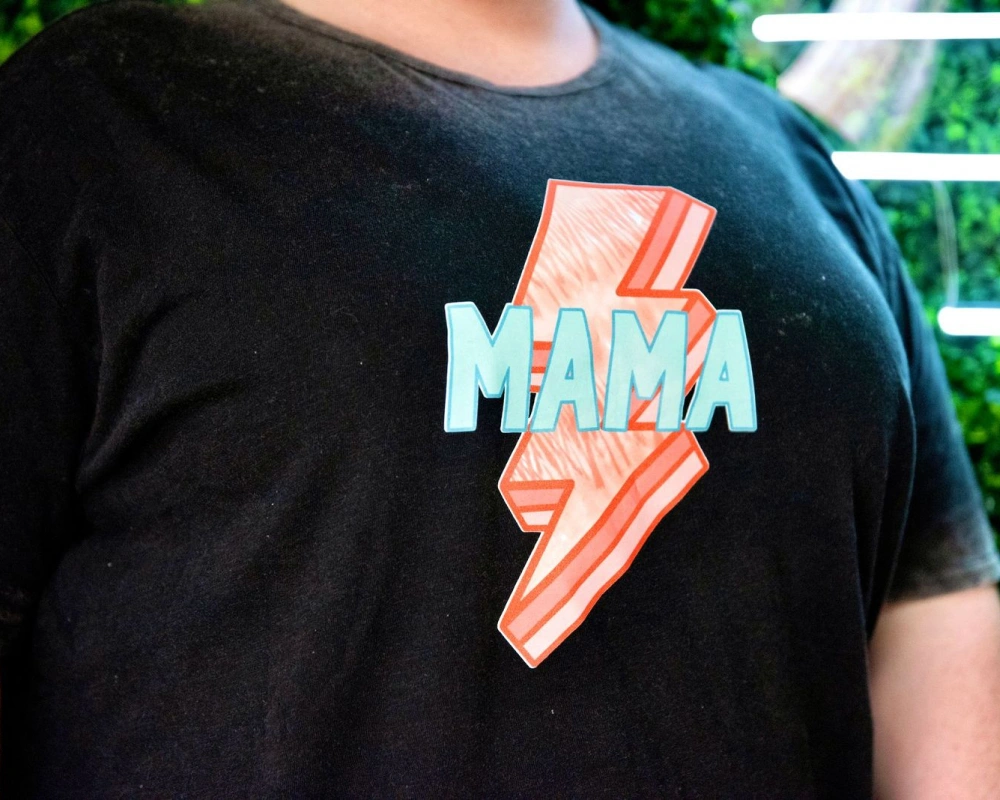
Despite the versatility of sublimation printing, certain designs aren’t well-suited for this technique. When you’re planning your next fabric printing project, you’ll want to avoid simple one-color logos or basic text-only designs, as they’re not cost-effective for this method.
In custom apparel production, designs with large solid blocks of a single color often don’t showcase the true potential of sublimation. You’ll get better value using alternative printing methods for these simple projects.
If you’re interested in wide-format printing, steer clear of designs that require exact color matching to Pantone specifications, as sublimation may show slight variations. Additionally, avoid intricate patterns that require precise registration on dark fabrics, as sublimation works best on light-colored materials.
For optimal results, consider that the PrecisionCore printheads are best utilized with complex, multi-colored designs that take advantage of the printer’s high resolution capabilities.
Conclusion
Powerful possibilities await you in the dynamic world of dye-sublimation printing. You’ve learned the fundamentals, from selecting suitable materials to mastering the technical process. Now it’s time to transform your creative concepts into lasting, vibrant designs. With your new knowledge of this versatile printing method, you’re ready to produce professional products that’ll impress your customers. Take these tools and techniques, and start making your sublimation success story today.
After learning about the definition of Dye Sublimation Printing, discover the 10 Best Epson Sublimation Printers for Textile Business that are suitable for your sublimation business.
Frequently Asked Questions
How Long Does Sublimation Ink Last on Fabric Before Needing Replacement?
Your sublimation-printed fabrics can last 3-5 years with proper care, as the ink becomes permanently bonded with the polyester fibers.
You won’t need replacement prints unless you’re rough with the fabric. The colors stay vibrant through multiple washes when you follow care instructions – wash in cold water, avoid harsh detergents, and don’t iron directly on the printed area.
Can Sublimation Printing Be Done at Home Without Professional Equipment?
Practically possible printing can be done at home with some basic equipment. You’ll need a sublimation printer ($300-600), sublimation ink ($100), heat press ($200-400), and transfer paper ($20).
While it’s doable, you’ll face learning curves and quality limitations compared to professional setups. Start with small projects like t-shirts or mugs to master the technique.
What Happens if You Wash Sublimation-Printed Items With Bleach?
You’ll want to avoid using bleach on your sublimation-printed items as it can seriously damage them. Bleach breaks down the chemical bonds in both the fabric and the dye, causing your vibrant designs to fade and potentially ruin the material structure.
Instead, wash your sublimation prints in cold or warm water with mild detergent. They’ll stay bright and last much longer with proper care.
Is It Possible to Sublimate on Dark-Colored Synthetic Fabrics?
You can’t effectively sublimate on dark fabrics. The process requires light-colored or white synthetic materials since the dye needs a light base to show through clearly.
Even with 100% polyester dark fabrics, you won’t see your design because sublimation ink is transparent. The dark background will overpower any colors you try to transfer.
If you’re working with dark-colored synthetics, consider alternative methods like vinyl heat transfer or screen printing.
How Much Does Sublimation Printing Equipment Cost for Small Business Startups?
You’ll need $1,500-2,500 to start a basic sublimation printing business. This includes a decent sublimation printer ($300-600), heat press ($500-800), and essential supplies like transfer paper and inks ($200-300).
For better quality, you might want to invest $3,000-5,000 in professional equipment. This gets you a larger format printer, commercial heat press, and bulk supplies.
Don’t forget to budget for design software subscriptions and sample materials.