Selecting Transfer Paper Rolls: A Guide for Textile Businesses

When selecting transfer paper rolls for your textile business, you’ll need to match the paper type to your specific printing method and fabric requirements. Consider factors like paper weight, ink compatibility, and wash resistance for best results. The right choice impacts color vibrancy, durability, and production efficiency. Start with small-scale testing of different samples before making bulk purchases. Industry certifications like Oeko-Tex can guide your selection process, while expert consultation reveals deeper insights into maximizing your printing success.
Key Takeaways
- Match transfer paper specifications with your fabric type and printing method (sublimation, DTF, or DTG) for optimal results.
- Consider paper weight, coating quality, and ink compatibility to ensure consistent color vibrancy and durability.
- Test small samples before bulk purchases to evaluate performance, temperature settings, and wash resistance.
- Verify manufacturer certifications and read user reviews to assess paper quality and reliability.
- Choose papers based on design complexity, with higher-grade papers necessary for intricate patterns and detailed artwork.
What is a Transfer Paper Roll?
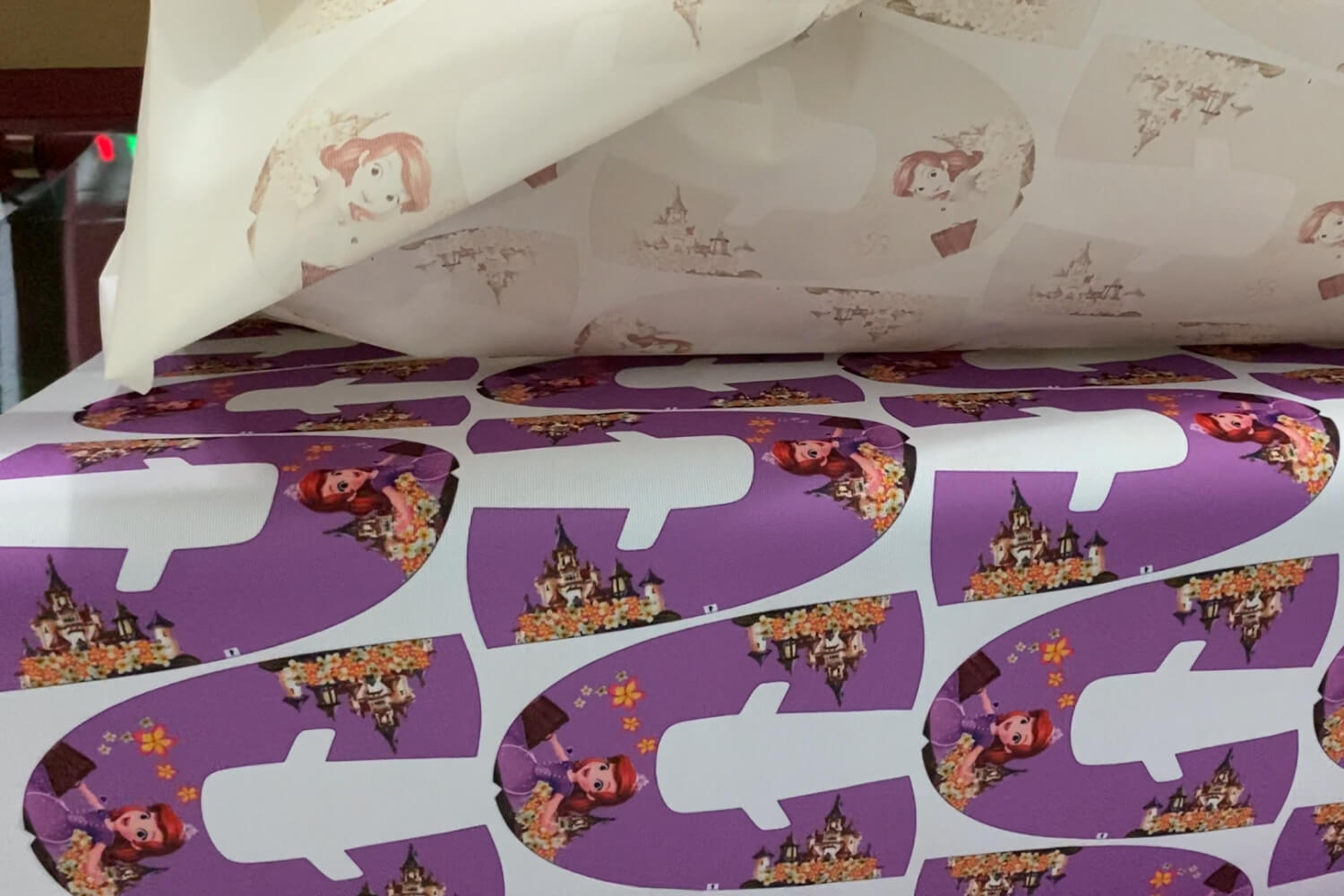
Transfer paper rolls serve as essential intermediaries in digital textile printing. You’ll use these specialized sheets to transfer your designs from printer to fabric.
Different transfer paper types are engineered for specific printing methods. You’ll find options optimized for sublimation, DTF, and DTG processes.
Heat transfer paper works by releasing ink when exposed to precise temperatures. You’re fundamentally creating a temporary tattoo for your fabric.
The quality of your transfer paper directly impacts printing durability. You’ll want to choose papers that maintain color vibrancy and resist fading.
Think of transfer paper as your design’s passport from digital to physical reality.
Factors to Consider When Selecting Transfer Paper Rolls
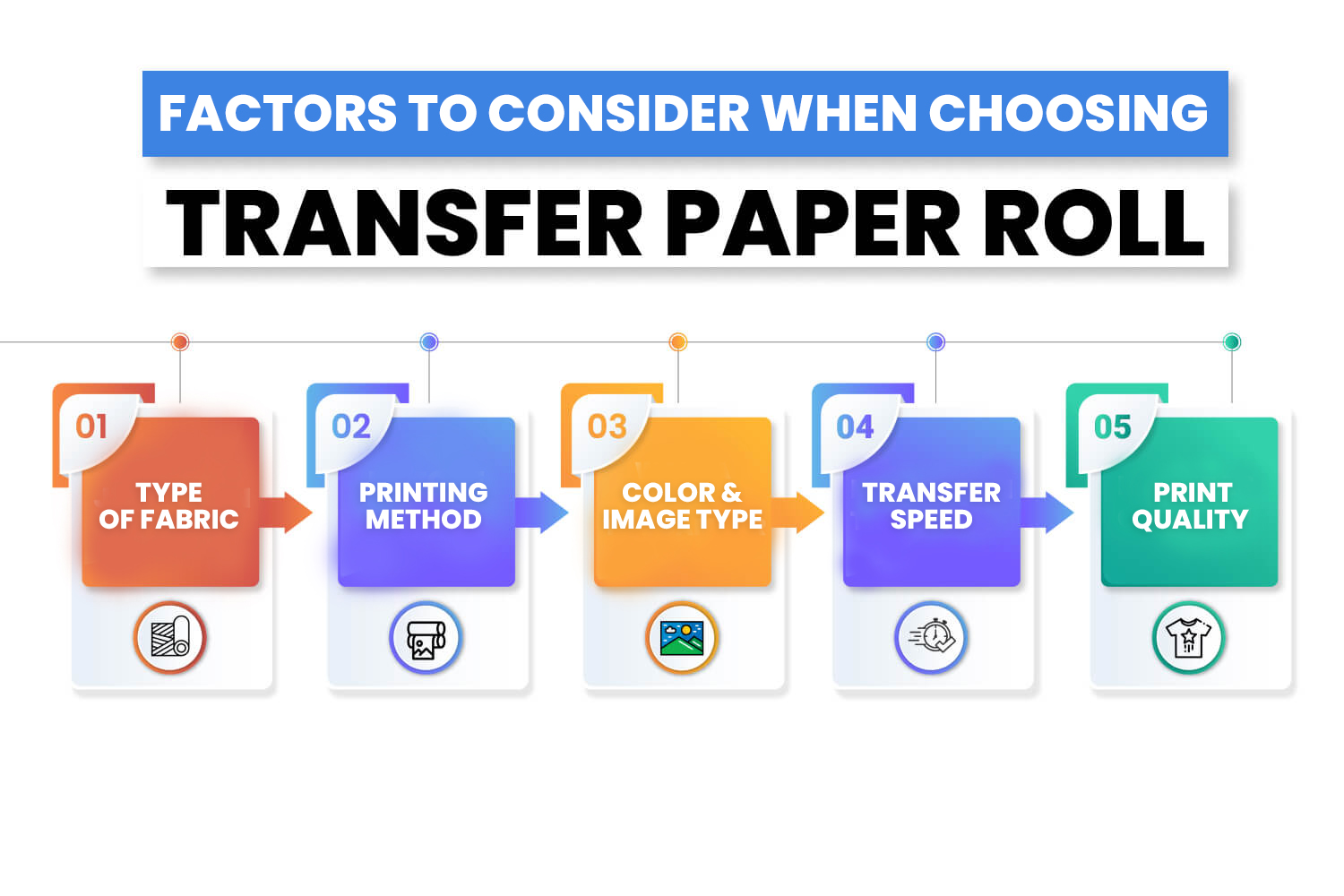
When you’re choosing transfer paper rolls for your textile printing projects, you’ll need to evaluate several key factors that directly impact your results. You’ll want to match the paper type to both your fabric and printing method, whether you’re using sublimation for polyester or heat transfer for cotton materials. The complexity of your designs, desired transfer speed, and final print quality requirements will also guide your selection, as different papers offer varying levels of detail retention and durability.
1. Fabric Type and Compatibility
Selecting the right transfer paper starts with understanding your fabric’s specific needs. You’ll want to match paper weight to your material – lighter papers work best for delicate fabrics, while heavier stocks suit sturdy textiles.
Consider ink compatibility with your printing system. DTF papers need specific coatings for peak results, while sublimation papers require specialized formulations for polyester-based materials.
For optimal color vibrancy, use transfer papers compatible with high density black and other specialized inks designed for professional-grade printers.
Don’t forget about wash resistance. If you’re producing garments that’ll face frequent washing, you’ll need transfer paper that guarantees your designs stay vibrant and intact through multiple cycles.
For silk and linen, opt for papers designed specifically for natural fibers. They’ll give you the best color transfer and longevity.
2. Printing Method (e.g., Sublimation, Heat Transfer)
Your printing method directly shapes which transfer paper you’ll need for perfect results.
For sublimation printing method, you’ll want specialized sublimation paper that can handle high temperatures in your heat press machine. This paper’s coating guarantees vibrant color transfer onto polyester fabrics.
When using DTF printing method, you’ll need transfer paper rolls specifically designed for these methods. These papers feature unique adhesive properties for maximum ink absorption.
Direct-to-fabric printing allows a design to be printed directly onto fabric without the need for transfer media such as transfer paper or vinyl.
Remember that proper transfer paper roll selection impacts both print quality and production efficiency. Match your paper type to your specific printing technology.
Top Epson printers like the SC-F9430H utilize fluorescent ink capabilities to achieve exceptional color vibrancy on transfer papers.
3. Color and Image Complexity
The complexity of your design directly affects which transfer paper roll will work best. Your paper needs to handle your intended color gamut and image resolution effectively.
You’ll want high-grade paper for intricate designs with multiple color transitions and fine details. These papers offer better ink absorption and color vibrancy.
Simple designs with solid colors or basic patterns can use standard transfer papers. This choice helps optimize your printing costs.
Consider how your image’s color depth impacts paper selection. Dark, vibrant designs need premium papers with higher ink capacity. Light or minimalist designs work well with standard options.
For maximum print quality at 720 x 1440 dpi, select transfer papers specifically rated for high-resolution sublimation printing.
4. Transfer Speed and Efficiency
Every printing project needs the right transfer speed to maintain quality and efficiency. You’ll want to match your transfer paper’s specifications with your production goals.
Consider how quickly you need to process each batch. Higher transfer speeds can boost your production efficiency but may impact image quality on certain materials.
For optimal results with professional systems like the Epson SC-F7270, you can achieve high-speed printing at 720 x 720 resolution.
You’ll find the sweet spot between speed and quality control through testing. Start with moderate speeds and adjust based on results.
For sublimation printing, ideal transfer speeds typically range from 30-45 seconds per piece. DTF and DTG transfers may require different timing depending on your substrate.
Remember to document your successful speed settings for consistent results.
5. Print Quality and Durability
Beyond speed settings, print output quality and long-term durability shape your choice in transfer paper.
You’ll want paper that maintains color vibrancy and sharp details throughout your textile printing process. Look for options rated for your specific fabric types and printing methods.
During custom fabrics production, paper thickness and coating quality directly impact image transfer clarity. Premium papers prevent bleeding and guarantee consistent results.
Don’t hesitate to seek expert consultation on matching paper grades to your equipment. A paper’s moisture resistance and heat tolerance will affect your final product’s washability and wear resistance.
Your transfer paper investment directly influences your business reputation through product quality.
For optimal results, select paper compatible with printers capable of 3200 DPI resolution to achieve the highest image quality and detail reproduction.
Tips for Selecting the Best Transfer Paper Roll
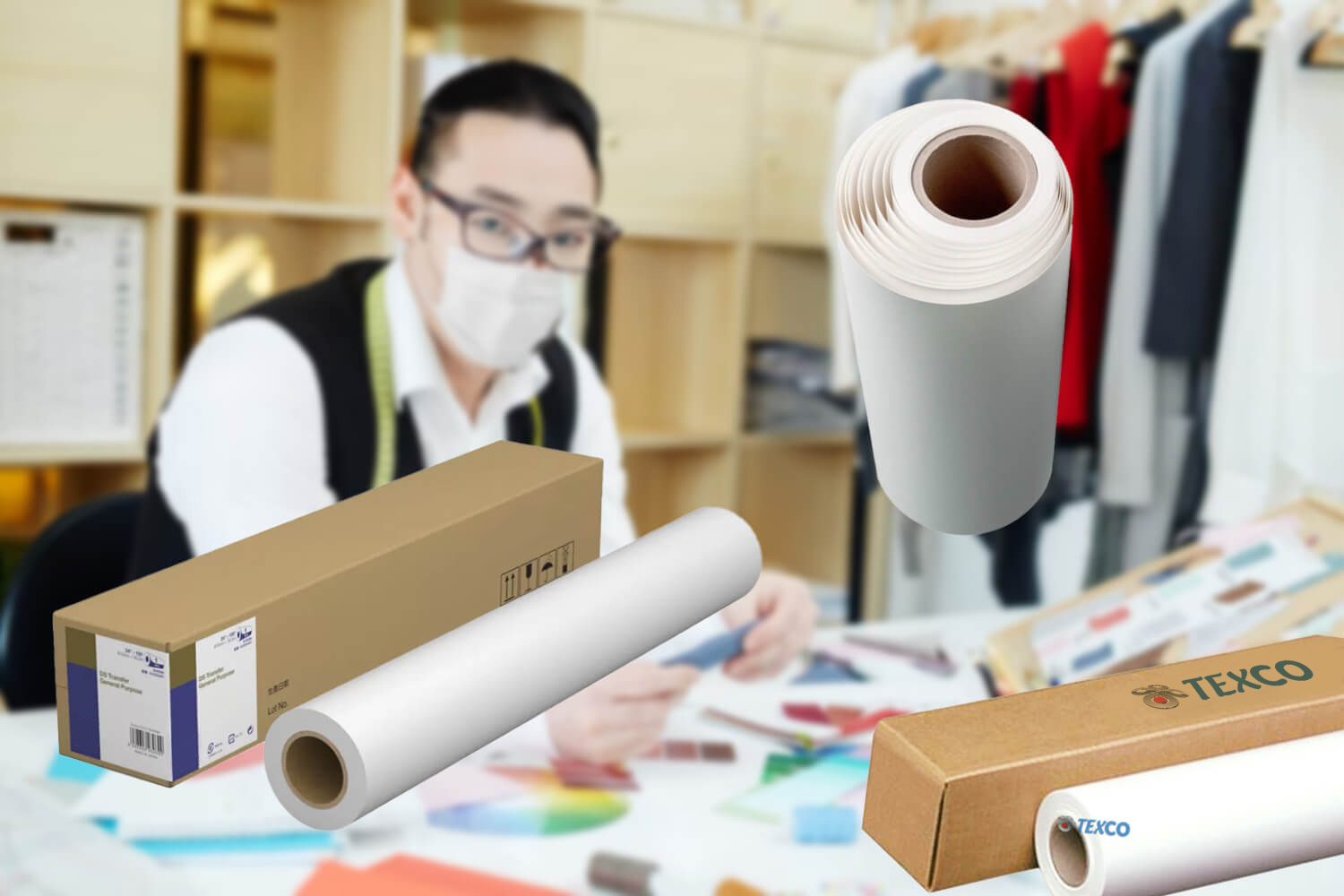
When you’re ready to choose your transfer paper roll, you’ll want to start by checking trusted user reviews and researching manufacturer reputations through platforms like Texco’s business network. It’s smart to reach out to textile printing professionals or take advantage of Texco’s free business consultations to get personalized recommendations based on your specific needs. Before committing to a bulk purchase, you should run small-scale tests with different paper samples to guarantee ideal results with your printer setup and target materials.
1. Check Reviews and Manufacturer Reputation
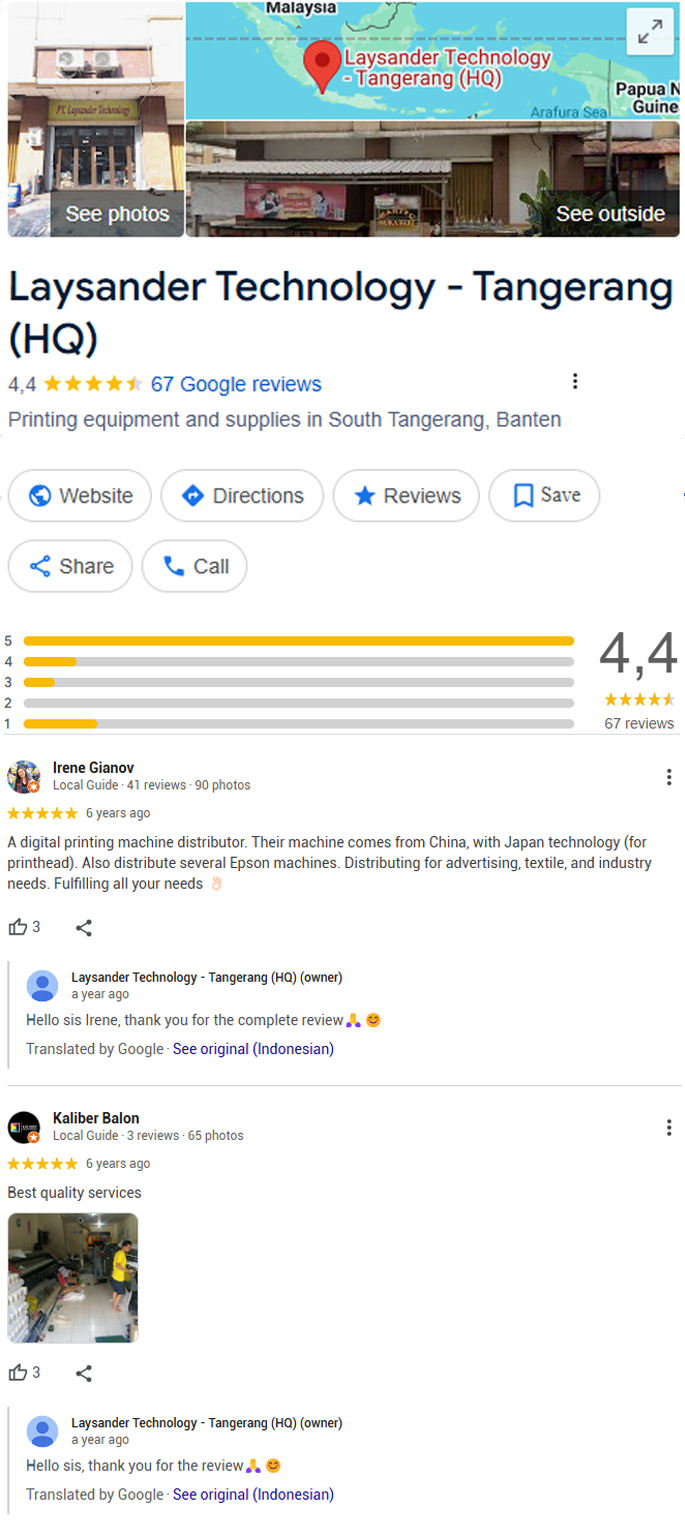
Looking up user reviews and manufacturer reputations can save you from costly mistakes when selecting transfer paper rolls.
When researching manufacturer reviews, focus on feedback from experienced textile suppliers who’ve used the products extensively. You’ll want to pay attention to comments about print quality and consistency.
Check if the manufacturer has certifications like Oeko-Tex, which indicates their commitment to quality standards in fabric printing. This is especially important for businesses scaling their operations.
Don’t just rely on website testimonials. Join industry forums and connect with other print shop owners who can share their real-world experiences with different transfer paper brands.
2. Consult with Experts or Professionals in Textile Printing

Since choosing the right transfer paper impacts your final product quality, reaching out to textile printing experts can provide invaluable guidance.
You’ll find specialists at companies like Texco who offer free business consultations on digital textile printing solutions. They can help evaluate your specific needs and recommend suitable paper types.
Take advantage of sample testing opportunities to assess different paper coatings with your designs. This hands-on approach lets you verify compatibility before making bulk purchases.
Consider scheduling demonstrations with local suppliers. They’ll show you how different transfer papers perform with various fabrics and printing techniques in real-world applications.
3. Conduct Testing Before Bulk Purchases
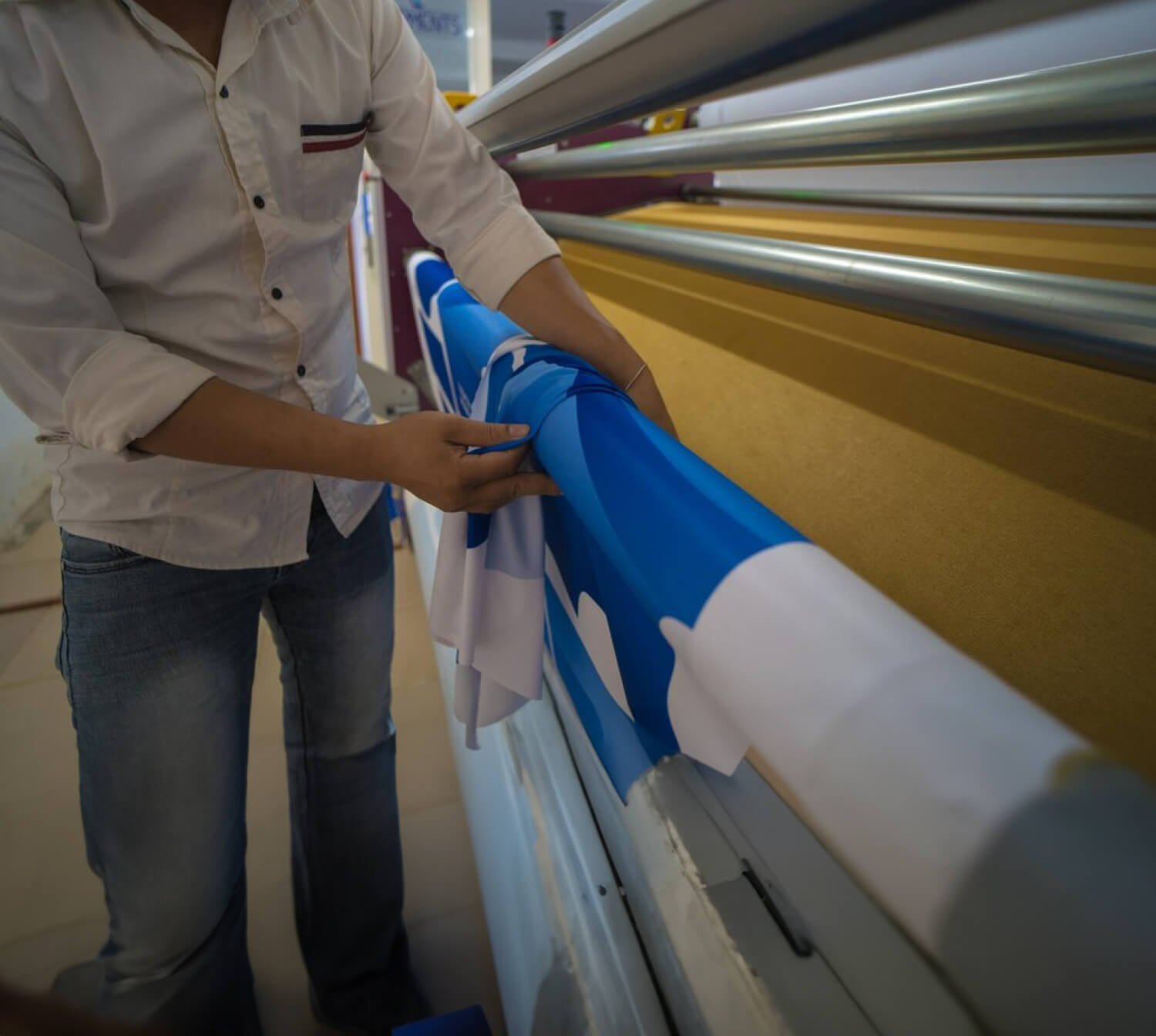
A smart testing strategy can protect you from costly mistakes when selecting transfer paper rolls.
You’ll want to test different temperature settings and pressure settings with small paper samples before committing to bulk orders. Start with a few test prints on your target materials.
Document how each paper performs during apparel printing. Pay attention to color vibrancy and transfer consistency.
Take advantage of Texco’s free business consultations to evaluate your test results. They’ll help you interpret outcomes and make informed decisions.
Remember that what works for one printer might not work for another. Testing helps you find your perfect match.
Conclusion: Optimizing Your Textile Business Through Smart Transfer Paper Roll Selection
While choosing the right transfer paper roll may seem complex, your success in digital textile printing hinges on making informed decisions that align with your specific business needs.
You’ll find that selecting quality transfer paper optimizes your sublimation printers’ performance and enhances your position in the textile industry. Start with small test batches before scaling up your garment manufacturing operations.
Remember to partner with reliable suppliers who offer technical support and quality guarantees. Your smart investment in the right transfer paper will reduce waste, improve print quality, and boost your bottom line.
Stay informed about new developments and don’t hesitate to seek expert guidance.
If you’re looking for a transfer paper roll, here are the Best Transfer Paper Roll Options available. You might find one that immediately catches your eye.