Printing Press Machine Types: A Comprehensive Guide – Textile
Textile printing press machines transform plain fabrics into vibrant designs using several methods. You’ll find four main types: sublimation printers for polyester, DTF systems for multiple materials, DTG printers for detailed work, and heat transfer machines for versatility. Each type requires specific temperature, pressure, and time settings to achieve ideal results. From roll-to-roll systems processing 100 meters per hour to precision flatbed presses, there’s a perfect machine for your printing needs. Let’s investigate which option best suits your production goals.
Key Takeaways
- Sublimation printers specialize in polyester materials, using heat and pressure to transfer designs at temperatures between 180-200°C.
- DTF (Direct-to-Film) systems offer versatility across multiple materials, operating optimally at 150-170°C for proper adhesion.
- Roll-to-Roll machines process up to 100 meters per hour continuously, making them ideal for high-volume textile production.
- Flatbed Heat Press machines provide precise control for individual garments with digital temperature management and adjustable dwell times.
- Rotary Heat Transfer machines handle industrial-scale production, processing up to 1,500 meters of fabric hourly with consistent quality.
What is a Textile Printing Press Machine?
A textile printing press machine serves as your gateway to transforming plain fabrics into vibrant, patterned masterpieces. This specialized printing equipment lets you create custom designs on various fabric types.
You’ll find modern textile printing technology offers several methods for transferring designs. These include sublimation, DTF, DTG, and direct-to-fabric systems.
Let’s investigate how these machines work in your production setup. They use specialized inks and transfer processes to permanently bond designs to your fabrics.
You might wonder about the practical applications. These versatile machines handle everything from sportswear to home textiles.
Moving on to capabilities, today’s textile printing equipment offers precision color matching and detailed pattern reproduction. You’ll achieve professional results whether you’re creating custom t-shirts or designer hijabs.
For high-volume production needs, machines like the SC-F10030 printer provide extensive 76-inch print coverage for large-scale textile projects.
Textile Printing Press Machine Types Available in the Market
You’ll find several types of textile printing press machines that can transform your fabric printing business. Today’s market offers specialized options like roll-to-roll sublimation for high-volume production, flatbed heat presses for precise transfers, and innovative 3D sublimation systems for curved surfaces. Whether you’re just starting out or expanding your operations, understanding these different machine types will help you choose the right equipment for your specific textile printing needs.
1. Roll-to-Roll Sublimation Heat Transfer Machine
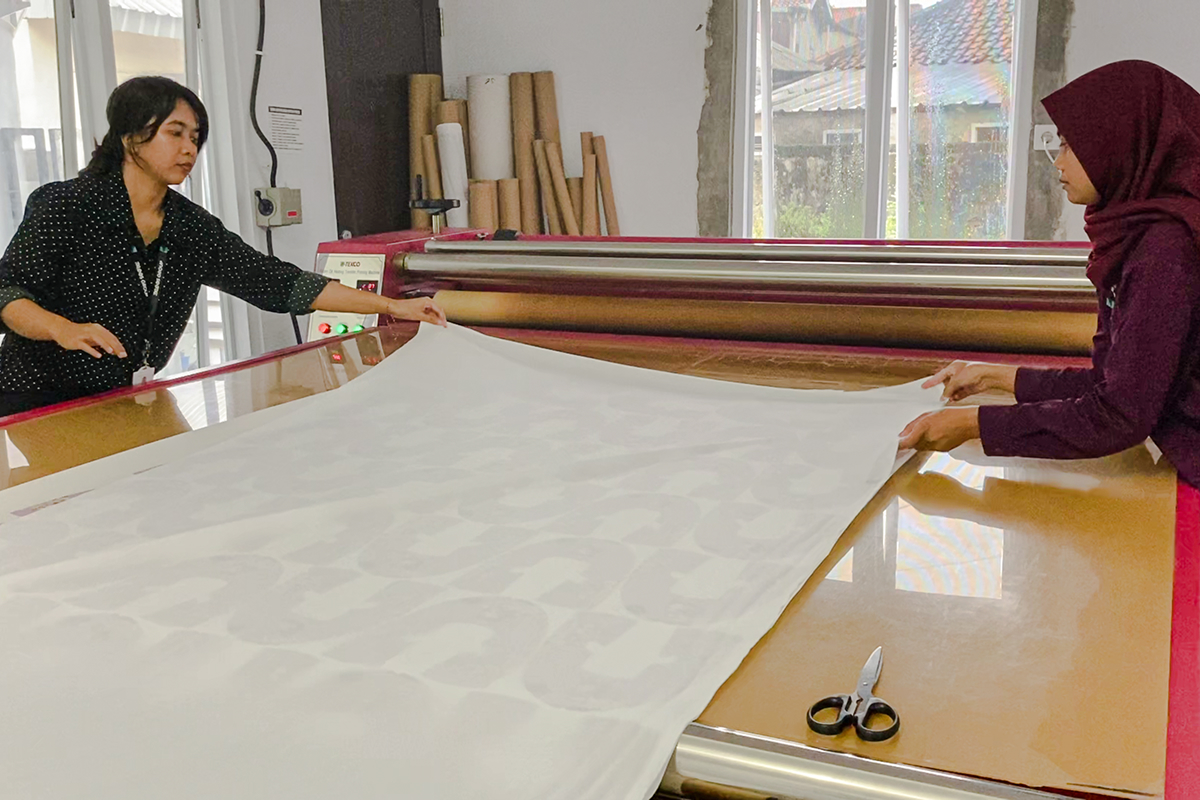
Roll-to-roll sublimation heat transfer machines stand out as workhorses in the textile printing industry. You’ll find these powerhouses essential for high-volume polyester fabric printing.
Let’s investigate how they work. The roll-to-roll press transfers designs from special paper onto fabric through heat and pressure. You’ll get continuous production without interruption.
Have you ever noticed those vibrant sportswear prints? That’s where these machines shine. They’re perfect for creating bold, lasting designs on performance fabrics.
You’ll appreciate their efficiency in large-scale production. Modern units can process up to 100 meters per hour with consistent quality.
Moving on to practical benefits, you’re looking at reduced labor costs and minimal waste. These machines integrate seamlessly with Texco’s eco-friendly printing solutions and specialized sublimation inks.
Advanced models equipped with dual drying technology deliver superior print quality while maintaining optimal production speeds of up to 940 m²/hour.
2. Flatbed Heat Press Machine
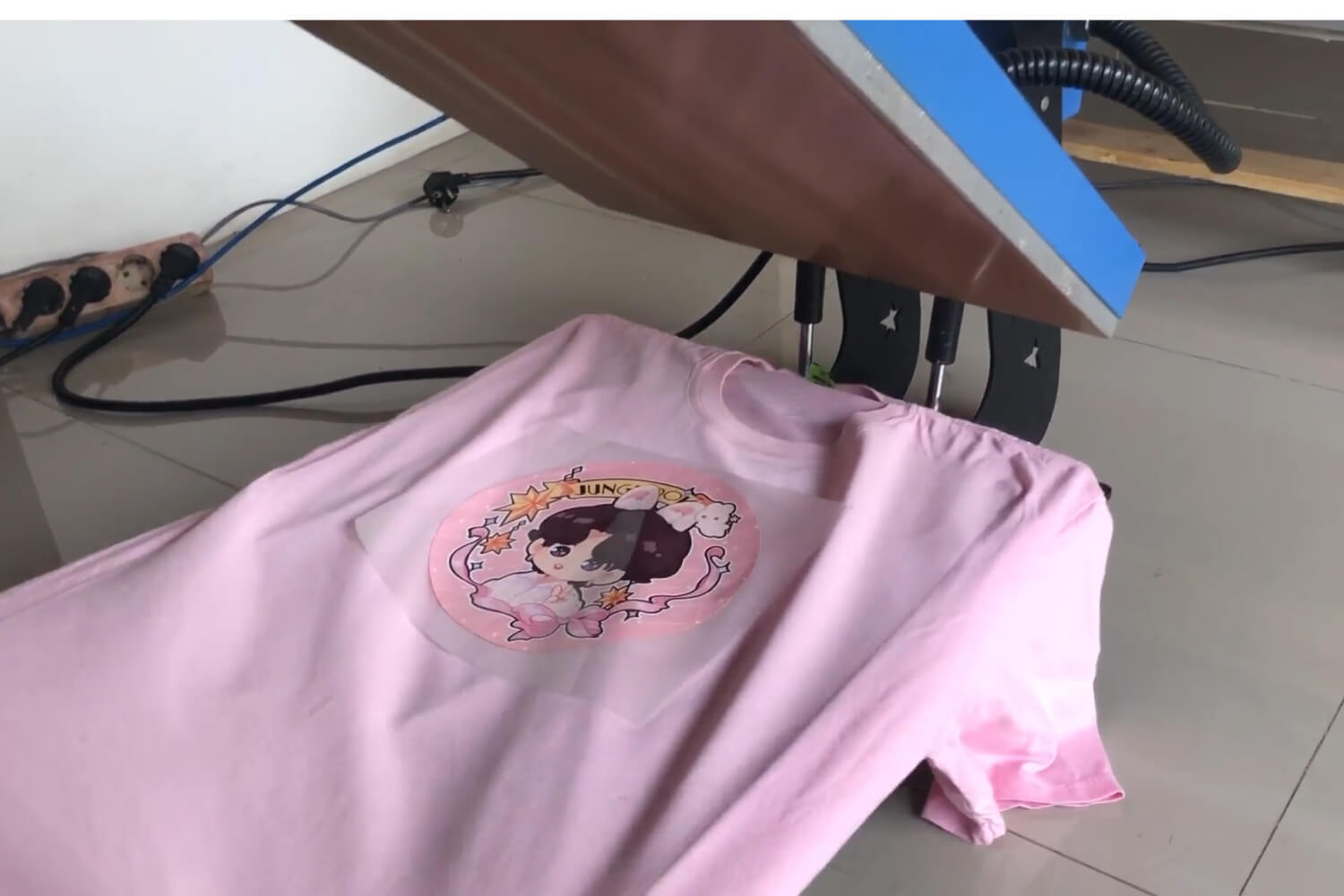
For businesses needing precise heat transfer on individual garments, flatbed heat press machines offer an ideal solution. You’ll find these versatile units perfect for applying designs to t-shirts, bags, and other flat items.
The flatbed press works by applying even pressure and heat across your material’s surface. You can easily adjust temperature and pressure settings to match different transfer types and fabrics.
Most modern heat press machines come with digital controls for precise temperature management. You’ll appreciate features like automatic shutdown and pressure indicators.
When you’re working with delicate materials, these machines let you control dwell time precisely. The clamshell or swing-away design gives you clear access to position items correctly.
Your flatbed heat press becomes especially valuable when paired with DTF or sublimation printing systems.
3. Rotary Heat Transfer Machine
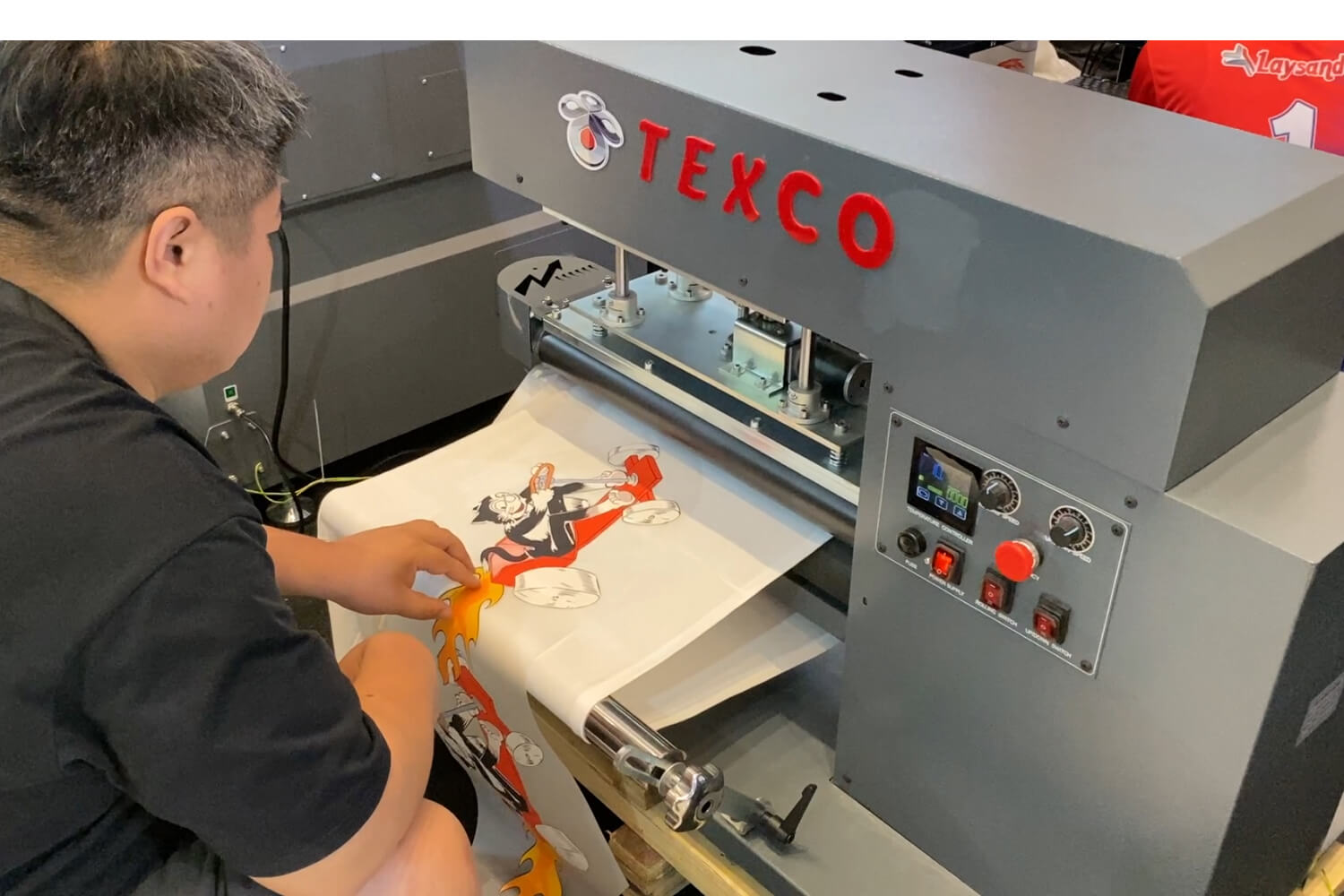
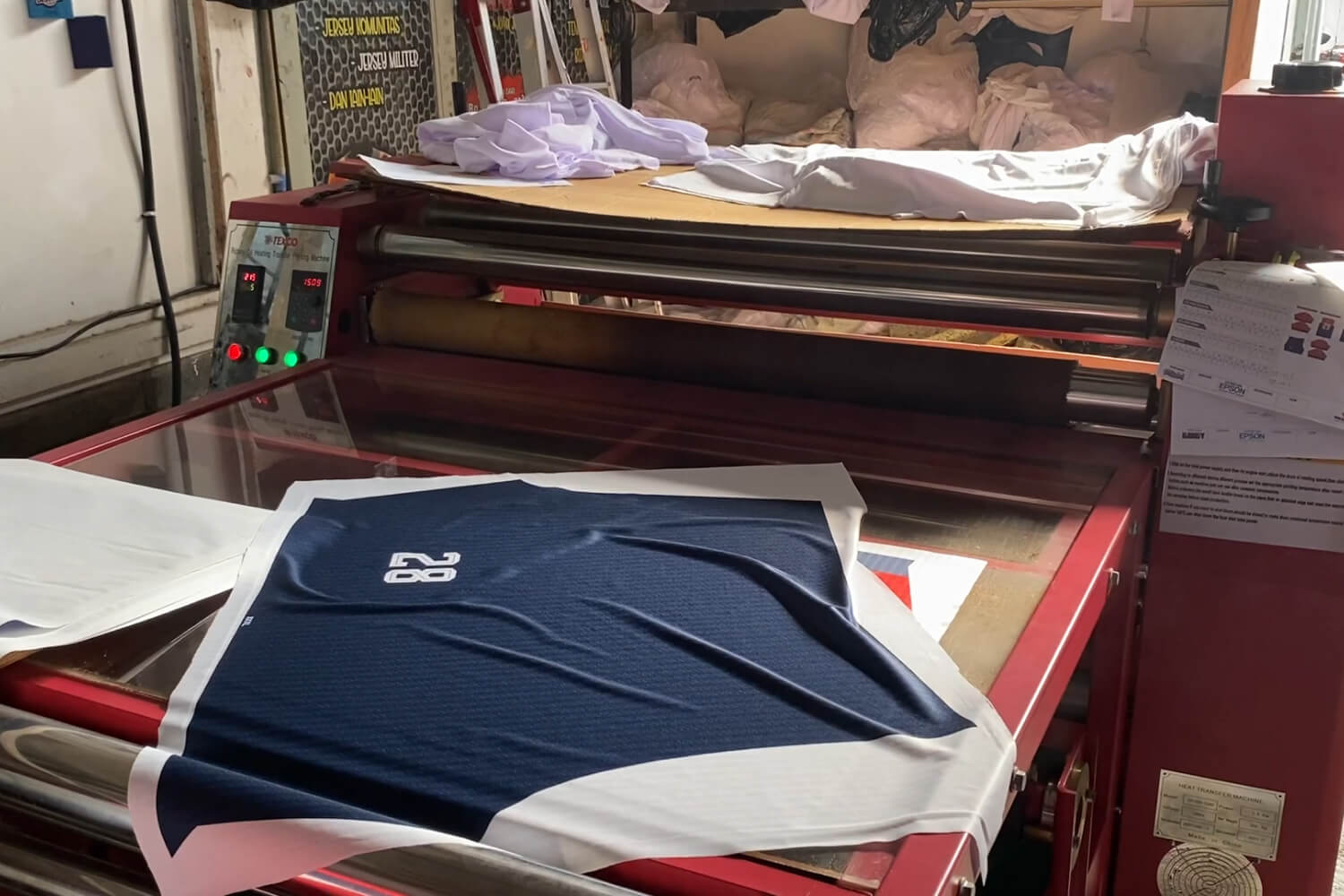
Industrial production facilities rely heavily on rotary heat transfer machines for high-volume textile printing. These machines offer continuous operation for mass production of printed fabrics.
You’ll find rotary press systems ideal when you need consistent quality across large batches. The cylindrical design guarantees even heat distribution and pressure.
Let’s investigate how these heat transfer machines work. Your fabric passes between a heated drum and pressure roller, creating a seamless transfer process.
You might wonder about production speeds. Modern rotary systems can process up to 1,500 meters of fabric per hour.
Have you noticed the rising demand for sportswear? That’s where these machines excel. They’re perfect for sublimation printing on polyester-based athletic wear.
Moving on to maintenance, you’ll appreciate their durability. Regular cleaning and temperature checks keep them running smoothly.
4. 3D Sublimation Heat Press Machine
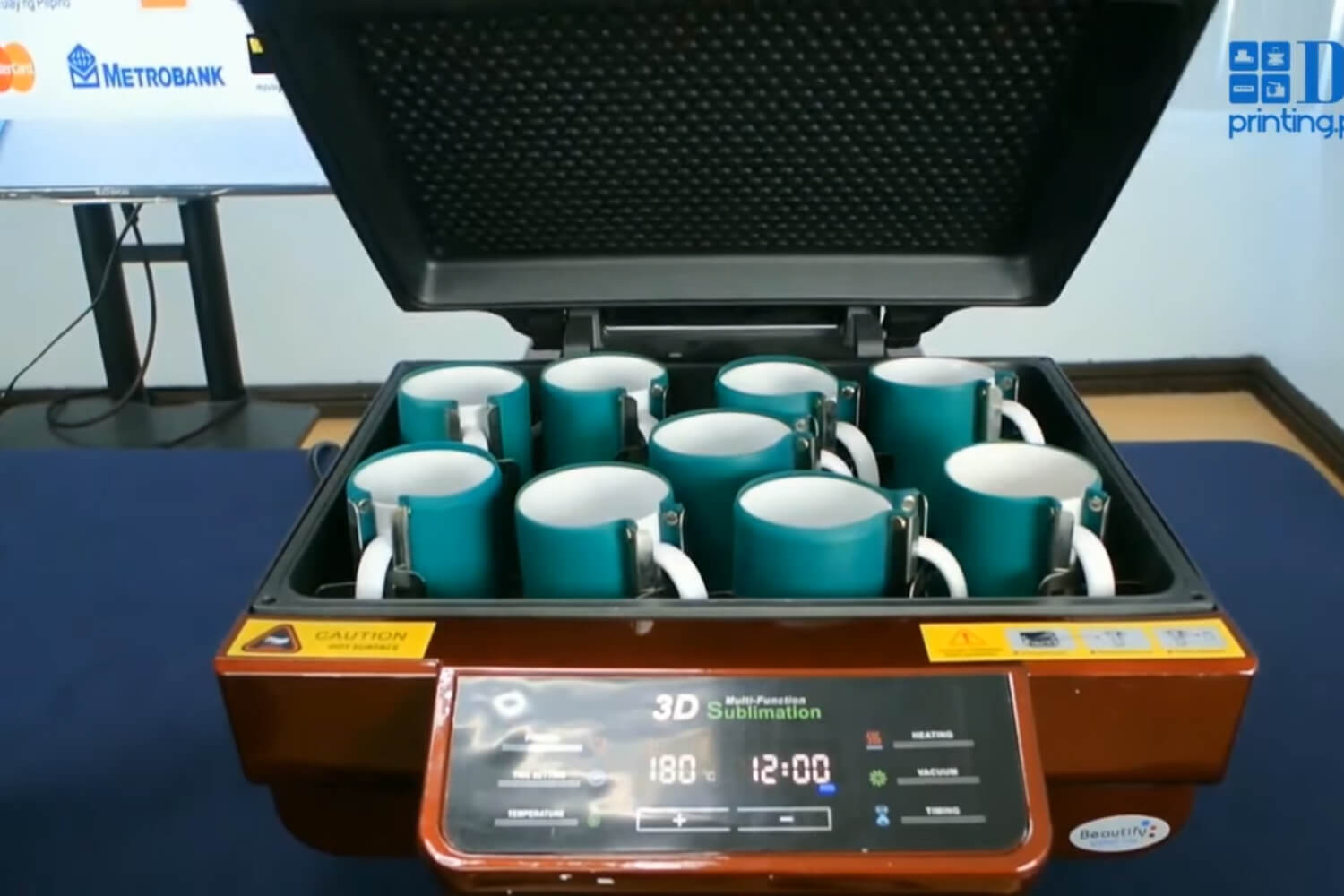
When you need to print on curved or irregular surfaces, 3D sublimation heat press machines offer unmatched versatility. These specialized heat transfer machines excel at applying designs to items like phone cases, mugs, and sports equipment.
You’ll get the best results through proper temperature control and precise pressure distribution. The sublimation printing process transforms your designs into gas that penetrates the surface coating.
Here’s what makes these machines stand out:
- 360-degree heating elements for uniform coverage
- Adjustable pressure settings for different product shapes
- Digital time and temperature controls for consistent results
- Interchangeable attachments for various product sizes
The machine’s vacuum system guarantees your design wraps smoothly around curved surfaces. You won’t have to worry about wrinkles or uneven application that could ruin your products.
5. Single-Function Heat Press Machine
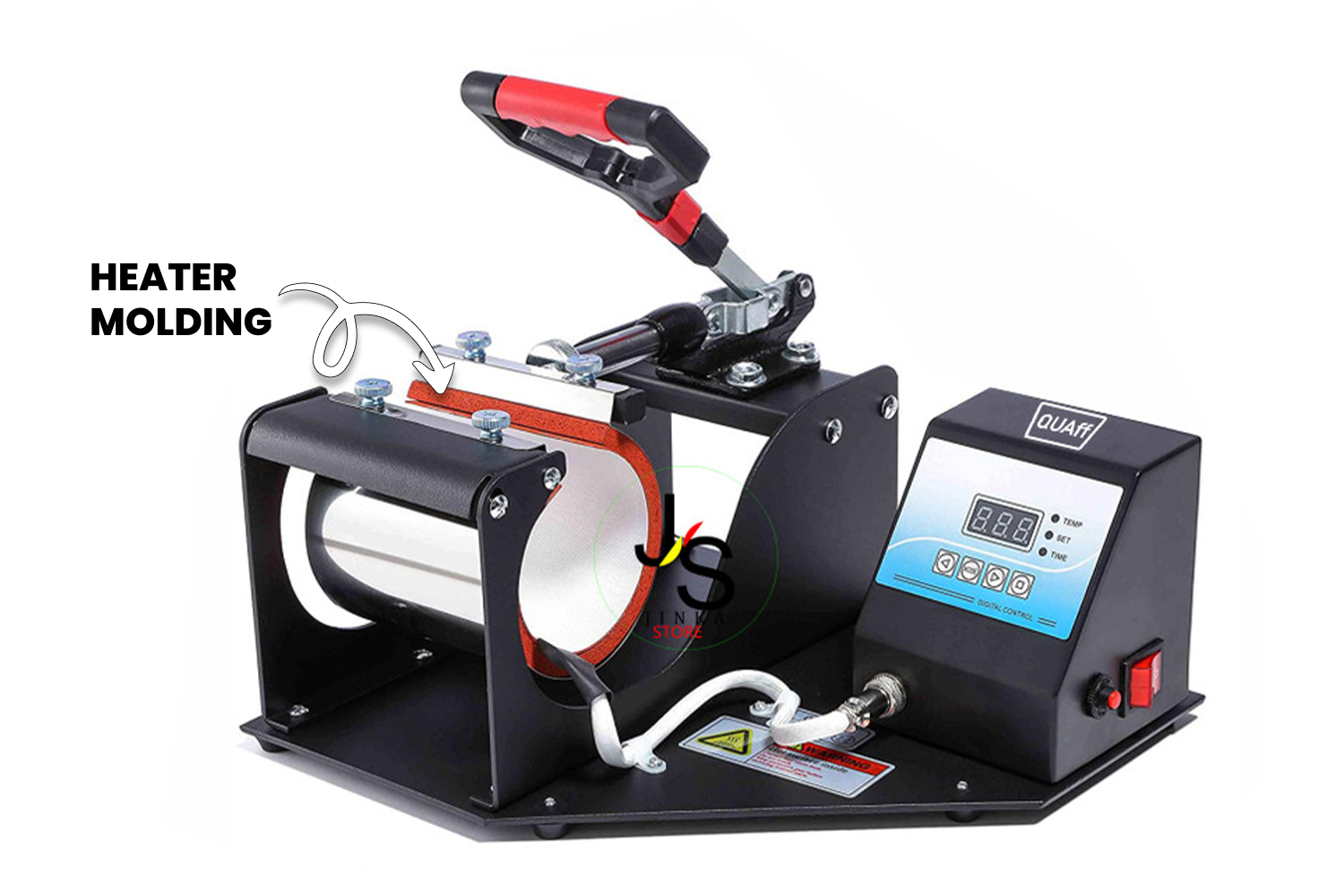
Single-function heat press machines serve as the workhorses of basic textile printing operations. You’ll find these reliable heat transfer machines perfect for straightforward fabric printing tasks.
When you’re working with a single-function press, you’ll appreciate its focused design for one specific type of printing motion. It’s ideal if you’re mainly doing flat textile transfers.
You’ll get consistent results with these machines thanks to their dedicated pressure and temperature controls. They’re particularly effective for applying designs to t-shirts, bags, and other flat textiles.
These presses are your go-to solution if you’re just starting your textile printing business. They’re more affordable than multi-function alternatives while still delivering professional-quality transfers.
Want durability? These workhorses can handle continuous daily operations without breaking a sweat.
6. All-in-One Heat Press Machine
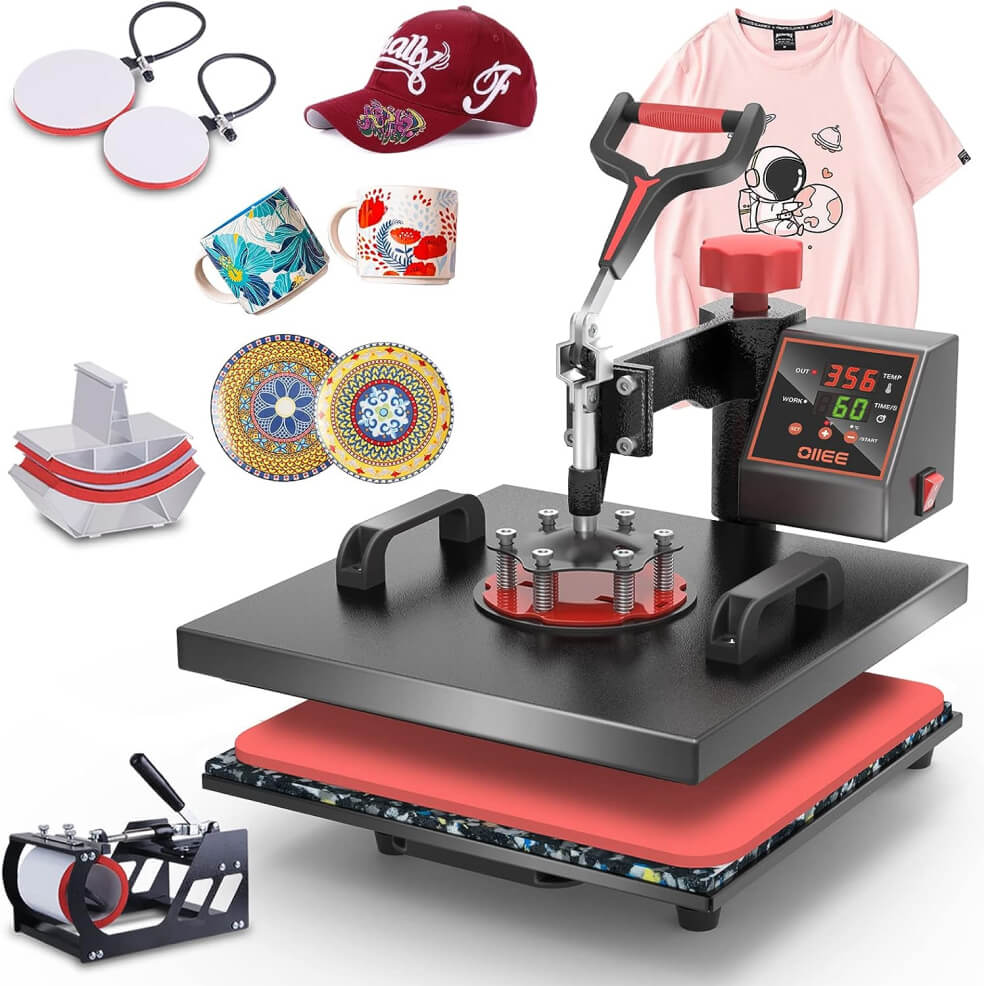
Multi-function heat press machines pack versatility into one powerful package. You’ll find these all-in-one press systems ready to handle various printing tasks with interchangeable platens and attachments.
These heat transfer machines give you the flexibility to work on multiple projects without switching equipment. You’re getting maximum value with minimal space requirements.
Let’s investigate what you can accomplish with a single machine:
- Print custom t-shirts and apparel using the flat platen
- Create unique mug designs with cylindrical attachments
- Transfer images onto caps with the cap attachment
- Produce plate decorations using specialized platens
You’ll appreciate how these machines seamlessly switch between functions. Their compact design makes them perfect for small workshops or growing businesses looking to expand their product range.
How Does a Textile Printing Press Machine Work?
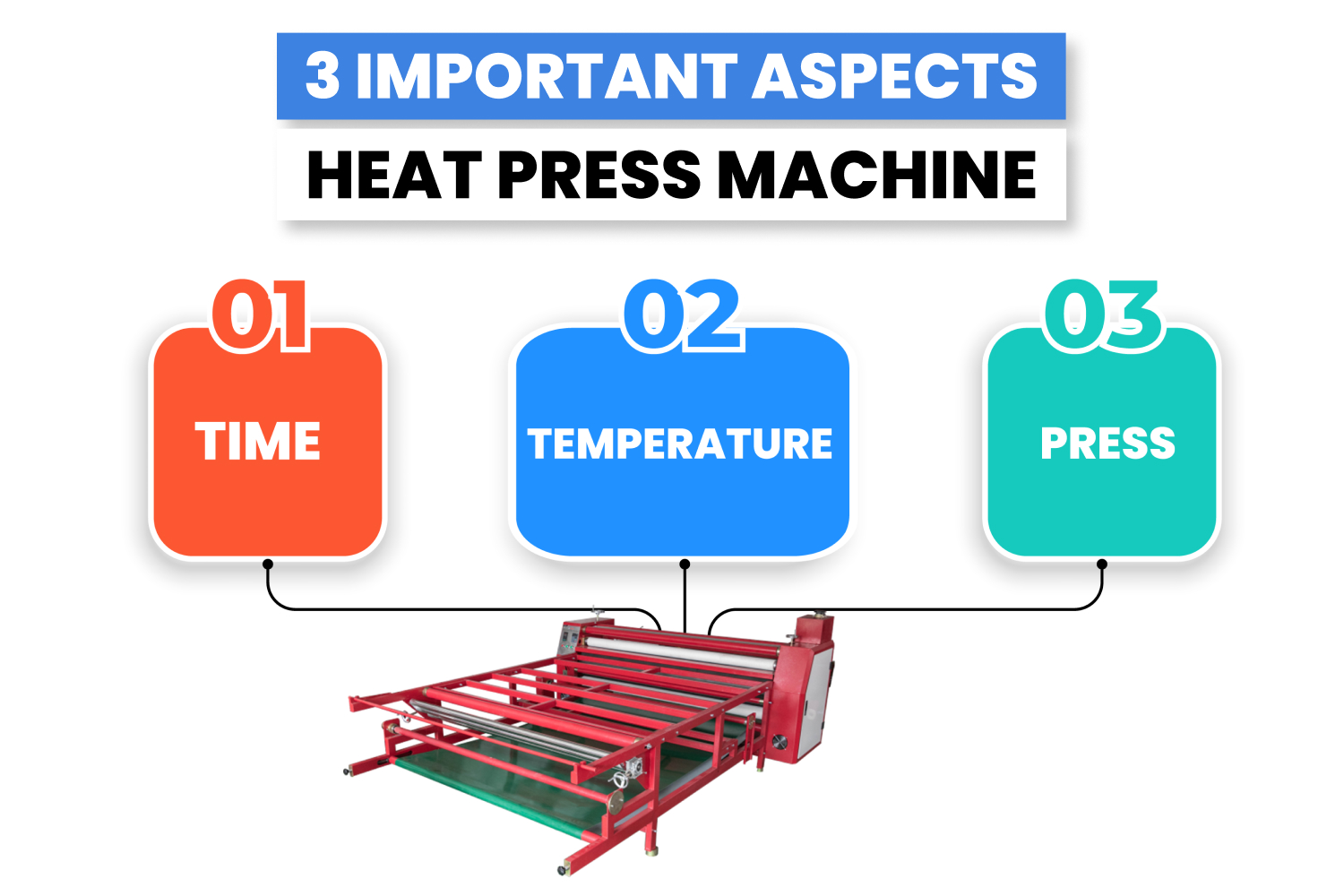
When you’re working with textile printing press machines, you’ll need to master three critical settings that determine your print quality. You’ll want to pay close attention to your time settings and temperature control, as these factors directly affect how well the ink bonds with your fabric. Setting the right pressure is just as crucial – too much can damage delicate materials while too little won’t transfer the design properly.
1. The Importance of Time Settings
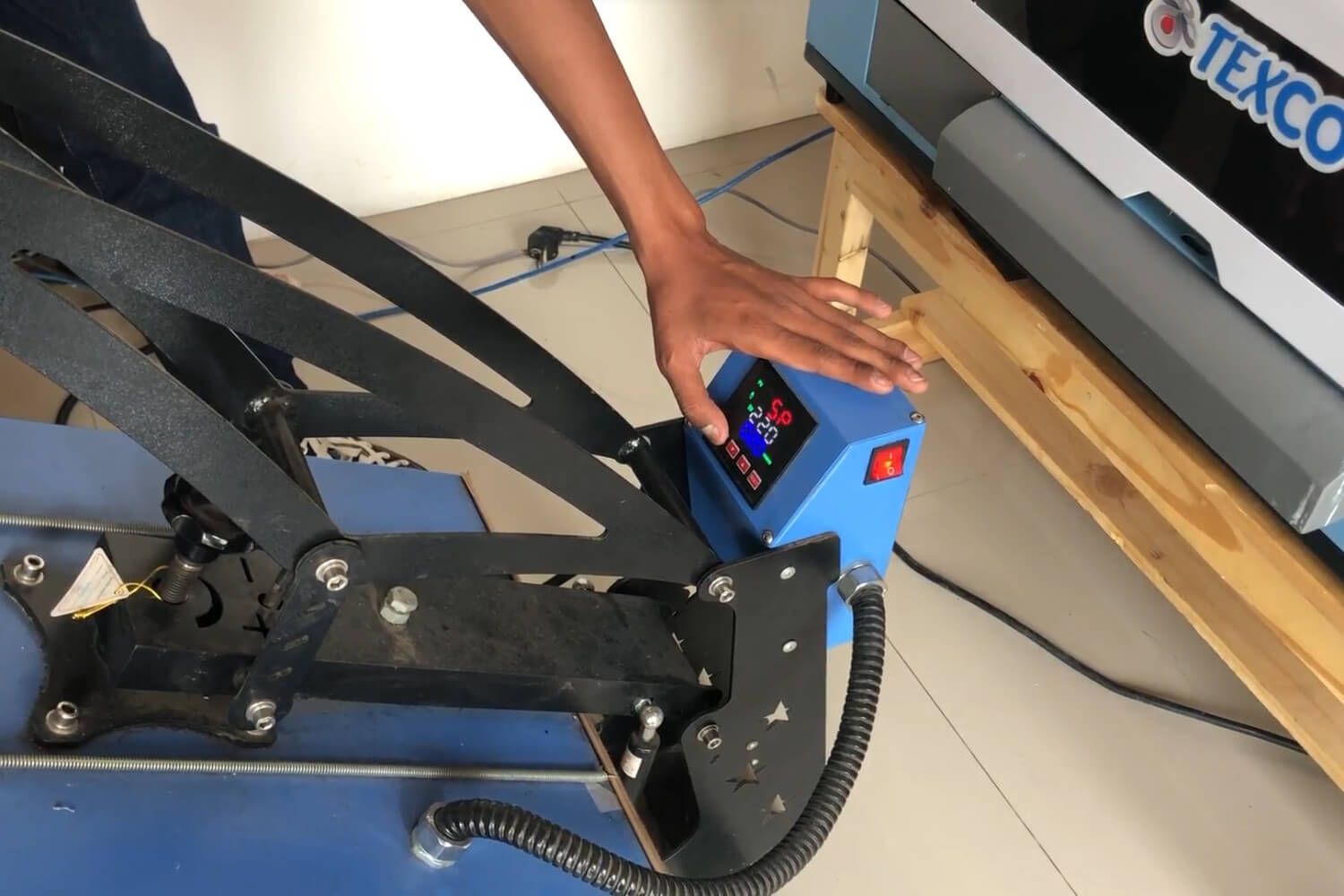
Setting the right time on your textile printing press is essential for achieving professional results. Time settings directly impact your printing process quality across different fabric types.
You’ll need to master these important timing elements for ideal results:
- Preheating duration for proper ink absorption
- Heat press dwell time based on fabric thickness
- Cooling period to set designs permanently
- Transfer paper removal timing to prevent smudging
When you’re working with Texco’s DTF or sublimation printers, precise timing becomes even more vital. Different materials require specific time settings for the best outcome.
Let’s investigate how timing affects various fabrics. Cotton needs longer dwell times, while polyester transfers typically require shorter intervals. You’ll find that mastering these timing elements dramatically improves your print quality.
2. Maintaining Consistent Temperature
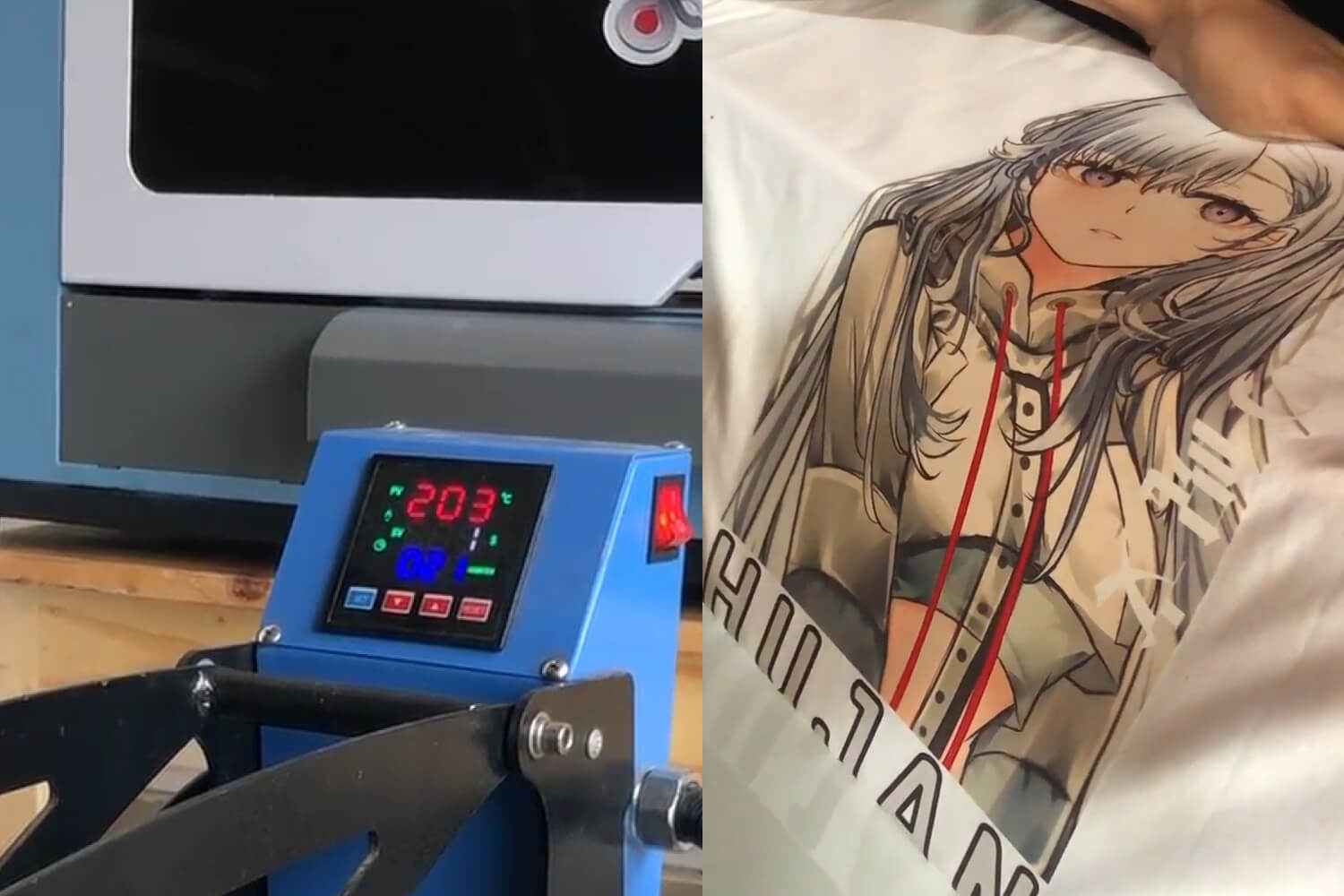
Successful textile printing relies heavily on maintaining precise temperature control throughout the printing process.
You’ll find that different printing solutions require specific temperature ranges for ideal results. With sublimation printers, you need to maintain 180-200°C for proper ink transfer.
Heat transfer machines are particularly sensitive to temperature fluctuations. You’ll want to monitor your settings closely to avoid damaging delicate fabrics.
For DTF and DTG printing, consistency is essential. You’re aiming for 150-170°C to guarantee proper adhesion without scorching.
Let’s investigate why this matters: inconsistent temperatures can lead to poor color transfer and wasted materials. Think of it like baking – too hot or too cold, and your results won’t be perfect.
You’ll get the best results by regularly calibrating your equipment and using quality temperature control systems.
3. Ensuring Optimal Pressure on the Printing Press Machine
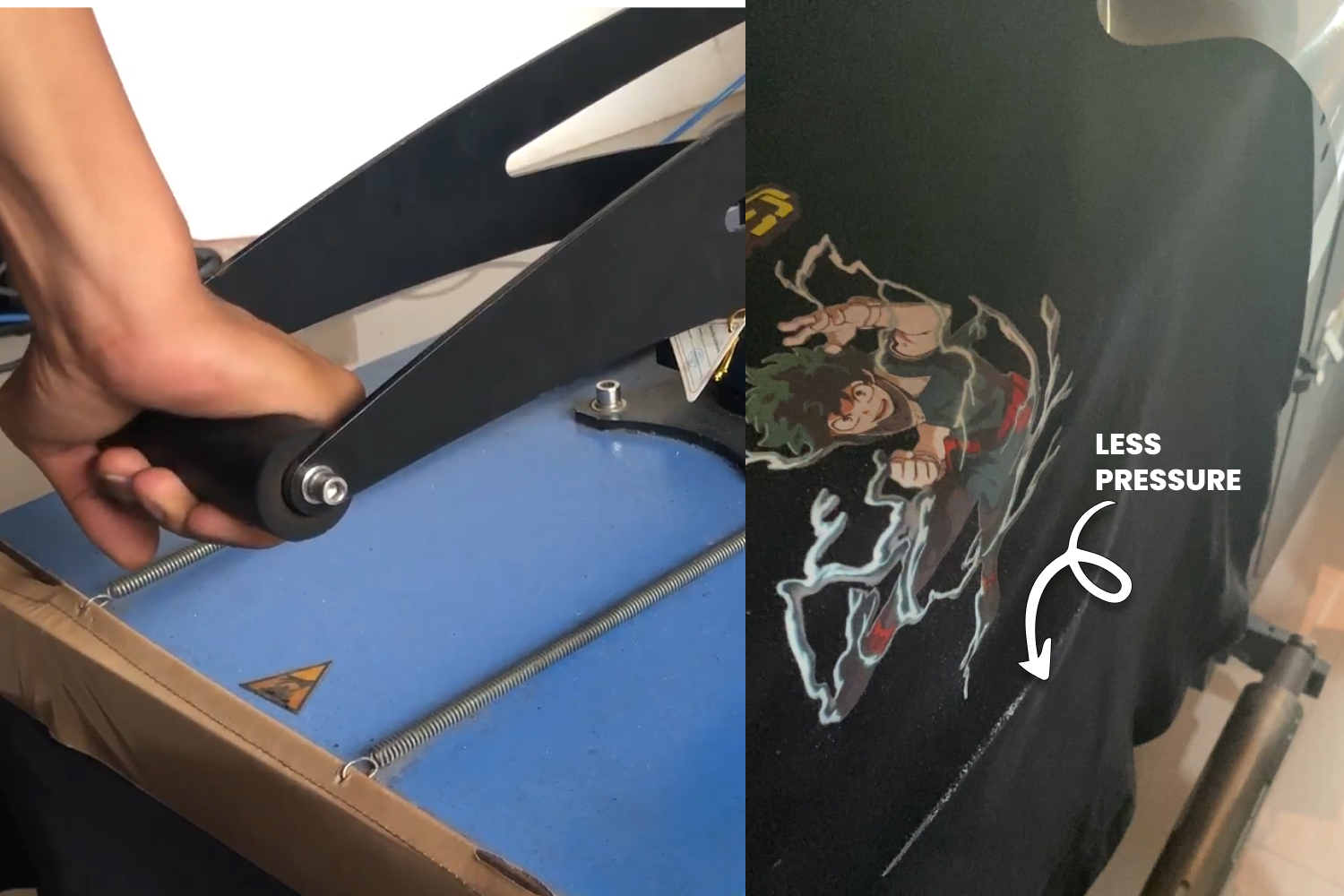
Proper pressure control stands as a critical factor in achieving high-quality textile prints. When working with different textile printing press machine types, you’ll need to adjust pressure settings carefully.
Let’s investigate the key pressure points you’ll need to monitor:
- Print head pressure – maintain 2-4 PSI for sublimation printers
- Heat press pressure – adjust between 30-40 PSI for DTF and DTG systems
- Roller pressure – set at 25-35 PSI for direct-to-fabric machines
- Platen pressure – keep at 15-20 PSI for consistent coverage
You’ll know you’ve got the right pressure when your prints show even ink distribution. Too much pressure can damage delicate fabrics, while too little leads to poor color transfer.
Remember to check pressure settings before each printing session for ideal results.
Conclusion
The diverse world of textile printing machines gives you powerful options for bringing creative designs to immerse. Today’s textile machinery offers unprecedented versatility and precision for your garment printing needs.
You’ll find solutions ranging from sublimation printers for polyester to DTF systems for multi-material applications. Each machine type serves specific purposes in modern textile production.
Your success in textile printing depends on choosing the right equipment for your specific needs. Consider factors like material compatibility, production volume, and maintenance requirements.
Remember that quality support services and warranties are just as important as the machinery itself. With proper research and planning, you’ll find the perfect printing solution to help your textile business thrive.
Investing in sustainable textile materials and proper maintenance supplies will maximize your printing equipment’s performance and longevity.
Choose wisely and you’ll be well-equipped to meet the evolving demands of the textile industry.