Exploring the Popular World of Digital Textile Printing
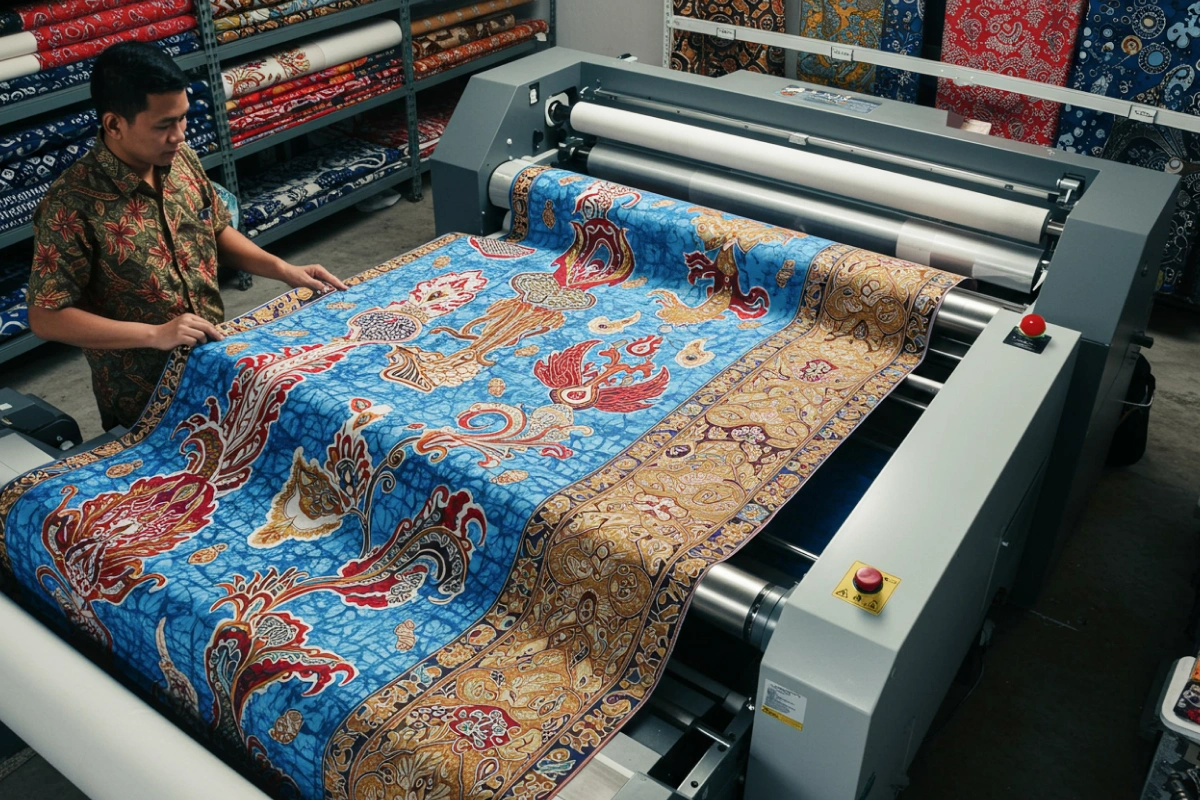
Digital textile printing lets you transform fabrics using computer-controlled methods and specialized printers.
You’ll find various techniques like sublimation, DTG, and DTF that each serve different purposes and materials.
Sublimation works best on polyester, creating vibrant designs that won’t fade, while DTG excels with cotton and detailed imagery.
You can start small and scale up as needed, targeting local boutiques or online stores.
Whether you’re interested in fashion, sportswear, or home décor, there’s much more to discover about this innovative printing technology.
Key Takeaways
- Digital textile printing revolutionizes fabric decoration by using computer technology to create precise, vibrant designs with consistent quality.
- Multiple printing methods like sublimation, DTG, and DTF offer versatile solutions for different fabric types and project requirements.
- Sublimation printing provides exceptional color vibrancy on polyester fabrics, making it perfect for sportswear and fashion applications.
- DTG printing excels in producing detailed designs on cotton materials with quick turnaround times and minimal setup costs.
What is Digital Textile Printing?
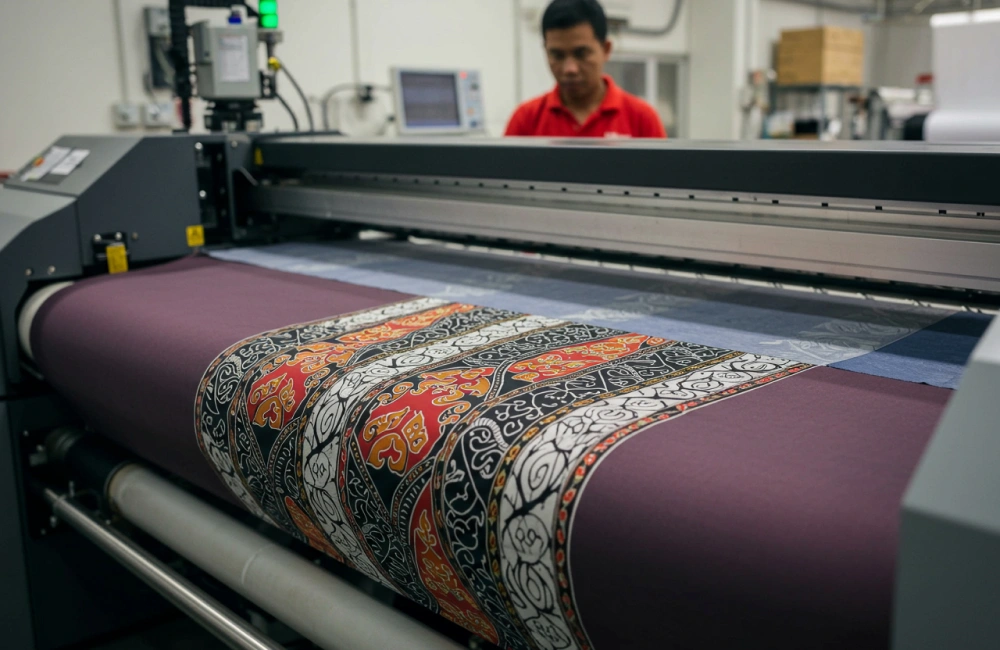
Digital textile printing consistently transforms the fabric decoration industry by utilizing computer technology and specialized printers to transfer designs directly onto textiles.
When you’re working with digital textile printing, you’ll find it’s quite different from traditional methods. The technology allows you to print complex designs with remarkable precision and vibrant colors that last.
You’ll appreciate how digital printing methods have changed the landscape of textile production. They’re faster, more efficient, and give you incredible creative freedom. With textile printing technology, you can produce detailed patterns that would be impossible with conventional techniques.
What makes this process special is its ability to handle both small and large orders while maintaining consistent quality. You’ll get durable prints that won’t fade easily, thanks to specialized ink formulations and advanced printing processes.
Types of Digital Textile Printing
You’ll find several popular types of digital textile printing available today, including sublimation, DTG, DTF, polyflex, and duracotton.
Each method brings its own unique advantages and works best with specific fabric types, from polyester to cotton.
Understanding these different printing options will help you choose the right technique for your textile projects and achieve the results you’re looking for.
1. Sublimation Printing
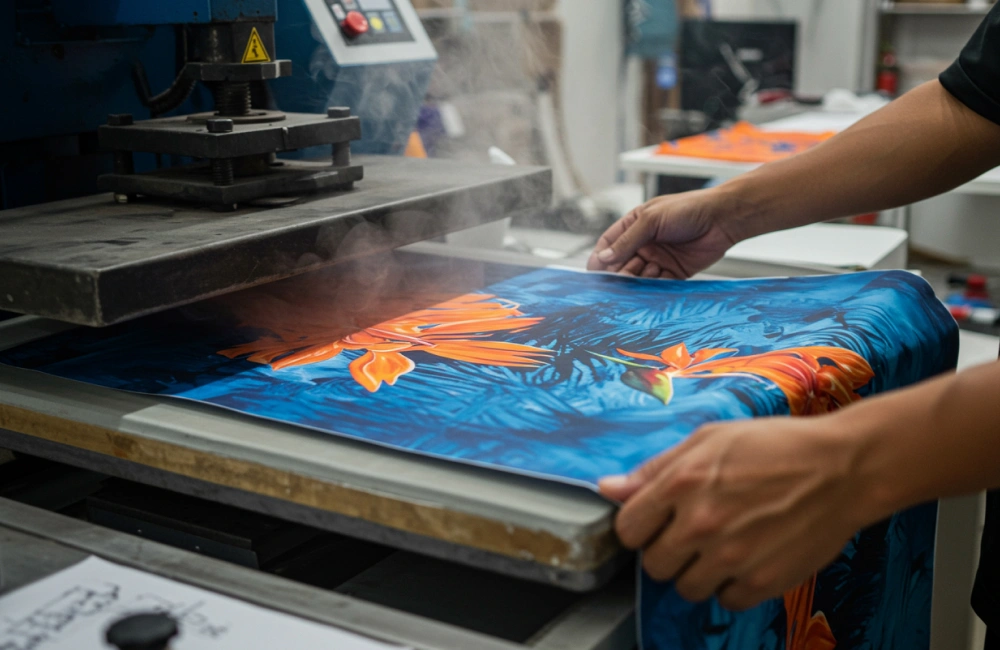
Sublimation brings designs to life through a unique heat-transfer process where special inks turn from solid to gas, permanently bonding with polyester fabrics.
When you’re looking to create vibrant, long-lasting textile prints, sublimation printing offers unmatched color intensity and durability. You’ll need fabrics with at least 70% polyester content to achieve the best results.
The digital fabric printing process is straightforward: Your design gets printed onto special sublimation paper, then heat-pressed onto the fabric at high temperatures. The heat transforms the ink into gas, which penetrates the polyester fibers.
You’ll love how sublimation printing maintains the fabric’s breathability while creating designs that won’t crack, peel, or fade. It’s perfect for sportswear, fashion items, and home décor where durability matters most.
2. DTG (Direct to Garment) Printing

Through advanced inkjet technology, DTG printing sprays ink directly onto fabric fibers, creating detailed designs that become part of the garment. You’ll love how this method handles complex designs and photographic images with incredible precision.
When you’re looking for custom apparel options, DTG printing shines brightest on cotton and cotton-blend materials. It’s perfect if you need small batches or one-off pieces without compromising on quality.
Your garment printing projects will benefit from DTG’s quick turnaround times and minimal setup costs. The process is straightforward: your design gets digitized, the fabric is pretreated, and specialized inks are applied directly to the material.
Unlike traditional methods, you won’t need to worry about color limitations or design complexity. DTG printing handles it all with remarkable accuracy.
3. DTF (Direct to Film) Printing
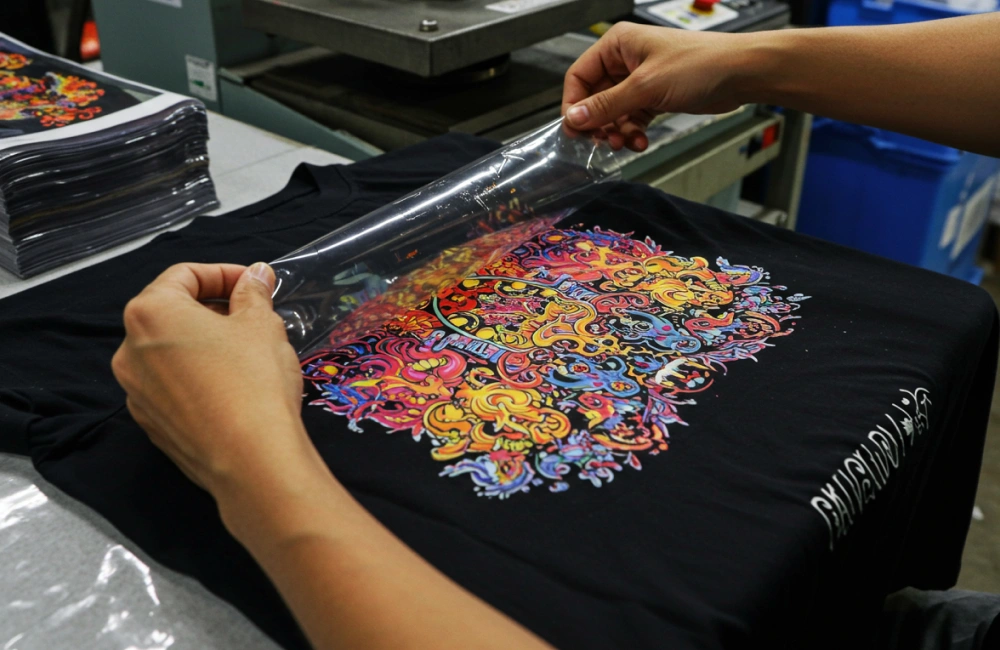
While DTG offers excellent results on cotton, DTF printing takes versatility to another level by working effectively on nearly any fabric type. You’ll find this innovative digital printing business solution perfect for creating vibrant, durable designs on diverse materials.
Here’s how it works: Your design gets printed onto a transfer film using pigment ink. Then, a powder adhesive is applied before heat-pressing the design onto your chosen fabric. The result? Incredible detail and washable prints that won’t crack or peel.
If you’re considering textile manufacturing options, DTF printing delivers exceptional flexibility. You can print on polyester, cotton, silk, leather, and even challenging materials like nylon. Plus, you’ll appreciate the quick turnaround times and lower startup costs compared to traditional methods.
4. Polyflex Printing (Heat Transfer Vinyl Printing)
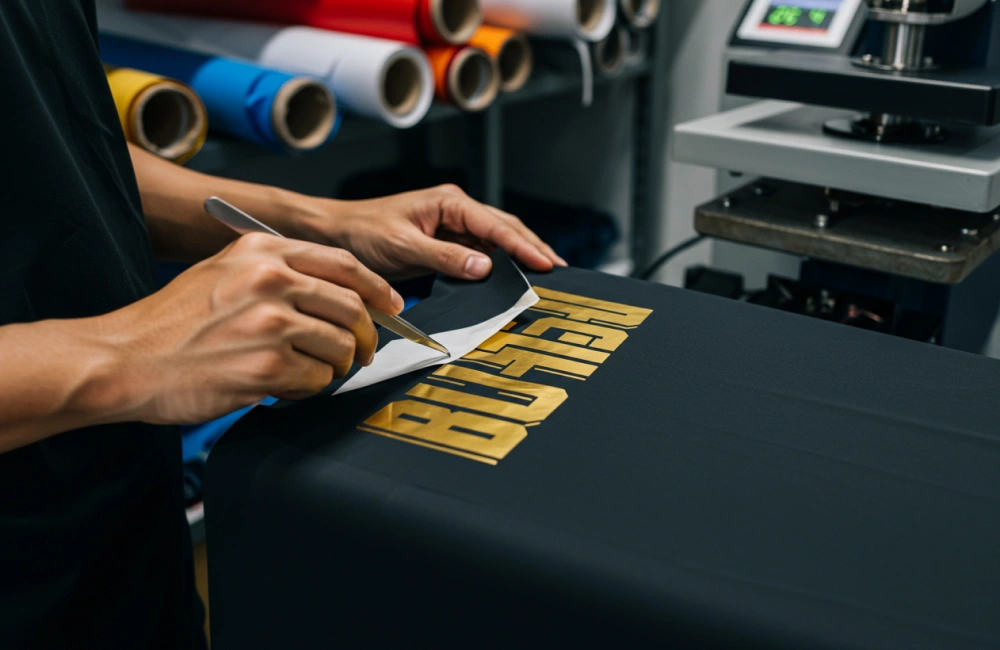
Looking for a reliable way to create bold, single-color designs on fabric? Polyflex printing, also known as heat transfer vinyl, might be your perfect solution. This technique’s becoming increasingly popular in the textile industry for its durability and clean results.
You’ll love how polyflex printing works. It starts with a vinyl material that’s cut into your desired design using a special plotter. Once cut, you’ll remove the excess vinyl (a process called weeding) and transfer your design onto fabric using a heat press.
What makes polyflex stand out is its versatility. You can apply it to cotton, polyester, and even leather. The finished product won’t crack or peel, and it’s washable too. For sports uniforms, team gear, or custom apparel, polyflex delivers professional results every time.
5. Duracotton Printing

Innovation meets simplicity with Duracotton printing, a specialized digital textile printing method that’s transforming how we transfer designs onto cotton and cotton-blend fabrics.
You’ll find this technique bridges the gap between traditional print on demand services and direct to garment printing. It’s perfect when you need high-quality results without complex equipment setups.
Here’s what makes Duracotton stand out: You can transfer your designs using a regular heat press and laser printer. The special paper creates a soft, durable finish that won’t crack or peel like other transfers.
For best results, you’ll want to press your designs at 200°C for about 25 seconds. The transfer paper works great on light-colored fabrics and delivers vibrant, wash-resistant prints that your customers will love.
What is the Business Potential of Digital Textile Printing?
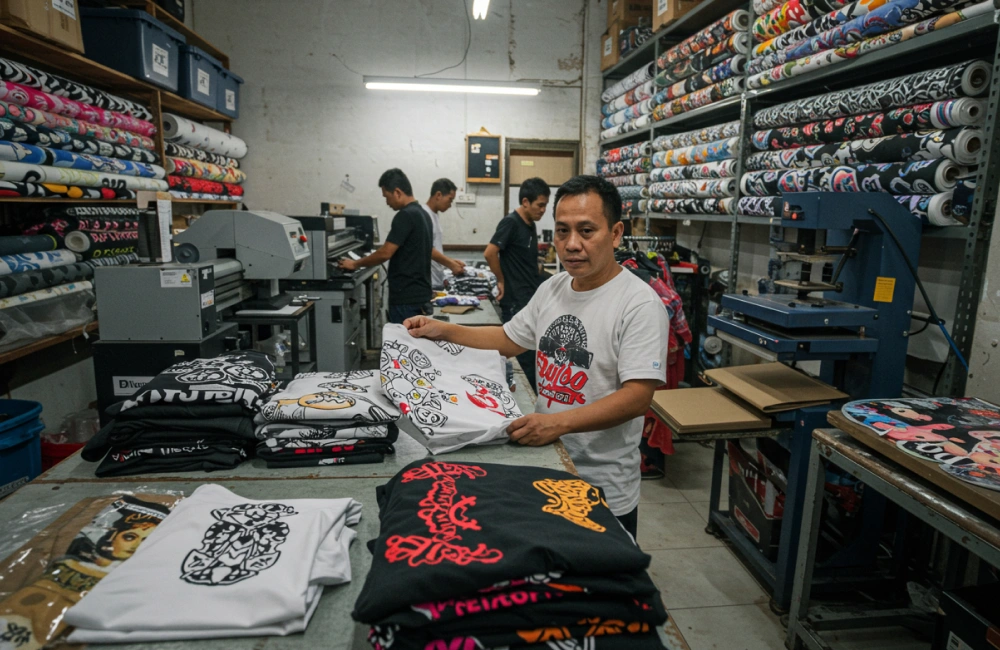
The business potential of digital textile printing presents three compelling opportunities in today’s market. You’ll find growing demand across dye-sublimation printing, direct to film, and sublimation vs DTG technologies as consumers seek customized products.
What makes this business particularly attractive is its flexibility. You can start small with minimal investment and scale up as needed. Whether you’re targeting local boutiques or planning to launch an online store, digital printing lets you adapt quickly to market demands.
Plus, you’ll benefit from growing eco-conscious consumer preferences, as digital printing offers sustainable alternatives to traditional methods.
Conclusion
You’re now equipped to plunge into the exciting world of digital textile printing, where creativity meets cutting-edge technology.
Whether you choose sublimation, DTG, or other printing methods, you’re joining a rapidly evolving field that’s transforming how we create and customize fabric designs.
To further enhance your business profits, don’t miss our article on “8 Best Sublimation Printers to Boost Your Business Profits!”