Unlocking Success: Your Guide to a DTF Printing Business
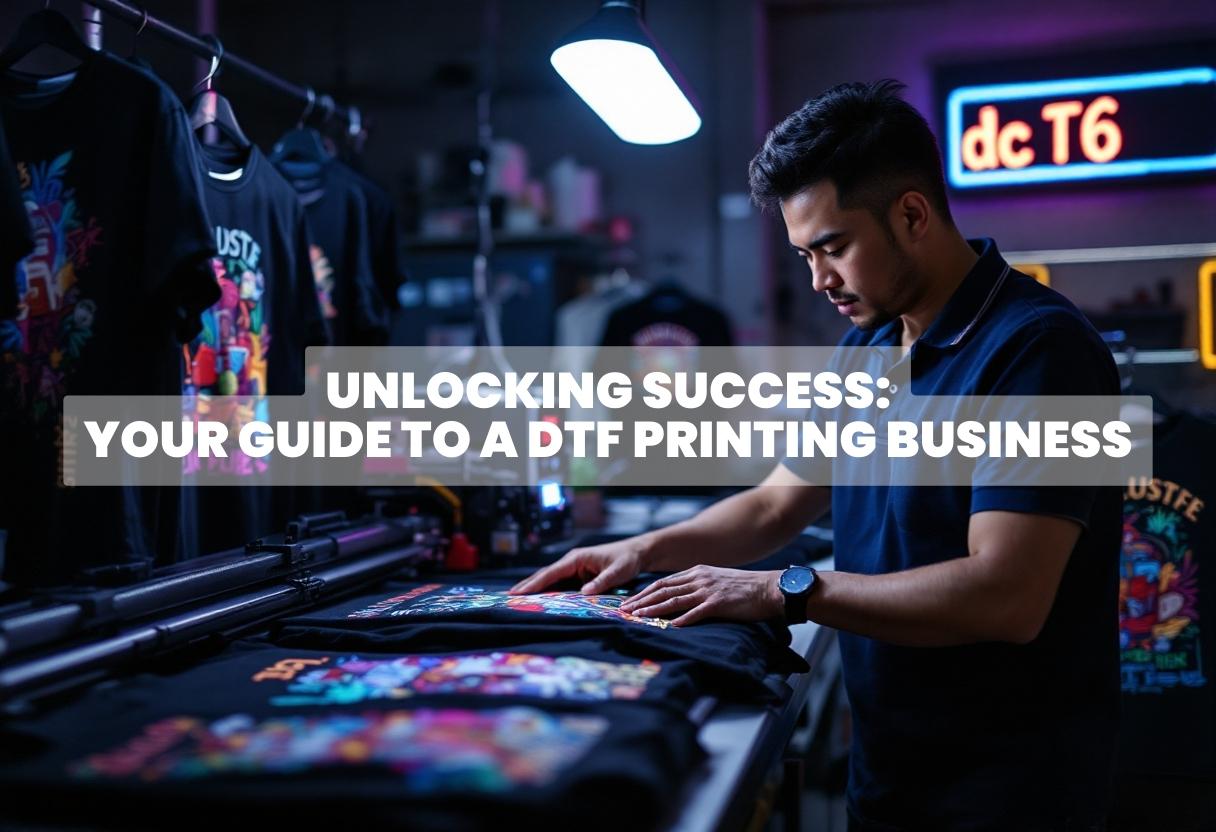
You can launch a successful DTF printing business by mastering the essential technical and business elements. Start with quality equipment like a reliable DTF printer and heat press, then focus on perfecting your printing technique through proper film handling and powder application. You’ll need to establish your business legally with permits and licenses while creating an organized workspace for ideal workflow. Marketing through local partnerships and social media will help build your customer base. Once you’ve mastered the basics, you can scale operations by expanding services and investing in additional equipment. There’s a world of opportunity waiting in custom apparel printing.
Key Takeaways
- Master DTF printing fundamentals by understanding temperature settings, powder application, and proper film handling for consistent, high-quality transfers.
- Set up efficient workspace zones for design, printing, powder application, and curing to maximize productivity and maintain quality control.
- Create a comprehensive business plan including market research, financial projections, and required licenses to establish a strong foundation.
- Invest in reliable equipment like quality DTF printers, heat presses, and professional-grade supplies to ensure consistent output.
- Build customer relationships through prompt communication, detailed quotes, and quality service while tracking feedback for continuous improvement.
Understanding the DTF Process
You’ll find that DTF printing follows a straightforward process of creating designs, printing onto specialized film, and transferring them onto fabrics using heat-activated adhesive powder. When you’re running a DTF business, you’ll appreciate its key benefits like versatility across materials, excellent durability, and vibrant colors that won’t fade after washing. Unlike other printing methods such as DTG or screen printing, you won’t need to pretreat fabrics or deal with complex setup processes, making DTF an efficient choice for custom orders of any size.
Step-by-Step DTF Printing Proces
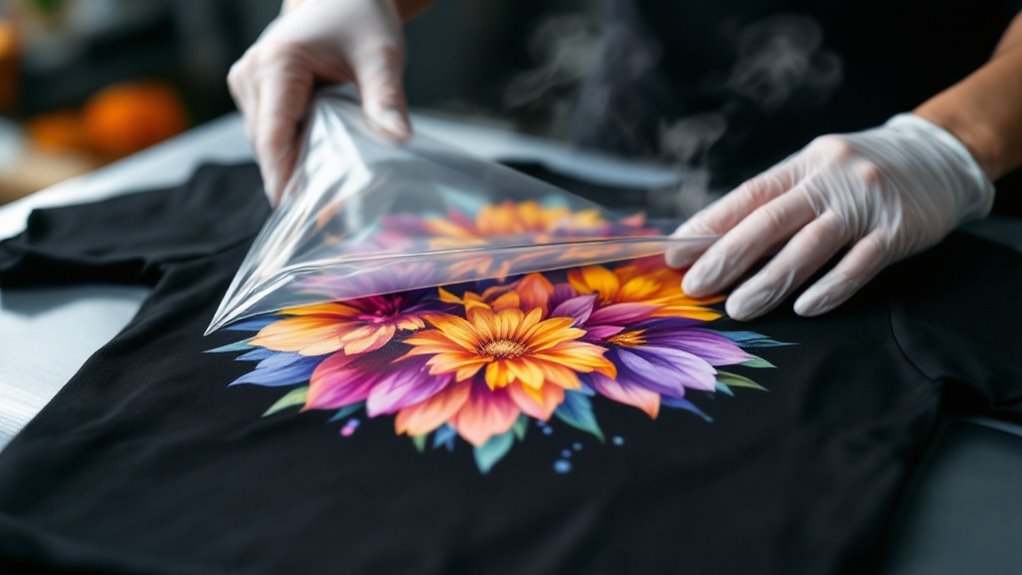
While DTF printing may seem complex at first, the process follows a straightforward sequence of steps that produce high-quality transfers onto various fabrics. Let’s investigate how you’ll turn your creative designs into wearable art through this innovative printing method.
You’ll start by creating your design using graphic software, verifying it meets the proper specifications for DTF printing. Next, you’ll send your design to the DTF printer, which applies specialized inks onto PET film – think of it as creating a temporary tattoo for fabric.
The magic happens when you apply hot melt adhesive powder to your printed design. This powder acts as the bridge between your artwork and the fabric. After curing the powder, you’ll use a heat press to transfer your design onto the garment.
- Your design stays vibrant and durable through multiple washes
- You can print on virtually any fabric color or type
- There’s no need for pre-treatment, saving you time and money
Moving on to the final step, you’ll peel away the transfer film while it’s still hot, revealing your perfectly adhered design. This dtf business guide guarantees you’ll master each stage of the dtf printing process with confidence.
Benefits of DTF Printing
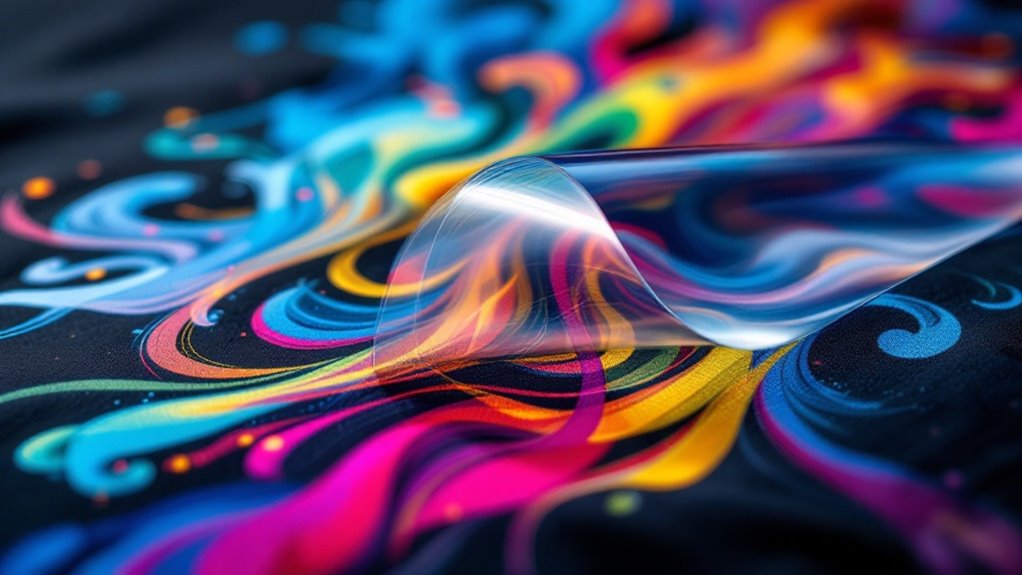
The advantages of DTF printing go far beyond its straightforward process. You’ll uncover remarkable versatility that lets you print on virtually any fabric type without pretreatment.
Let’s investigate how DTF printing stands out in today’s competitive market. You can create vibrant, detailed designs that maintain their quality even after multiple washes.
You might wonder about dtf profitability – here’s where it gets exciting. Your business can handle small custom orders with minimal setup costs while maintaining healthy profit margins.
Have you ever noticed how some printing methods struggle with dark fabrics? DTF printing excels on both light and dark materials, giving you endless creative possibilities.
Moving on to durability, your prints will resist cracking and fading. The special adhesive powder creates a strong bond that customers will appreciate.
Now that we recognize the technical benefits, let’s talk efficiency. You’ll save time and money since there’s no need for expensive pretreatments or complex setup procedures.
Your customers will love the soft feel of DTF prints on their garments. Unlike other methods, DTF creates a smooth, breathable finish that doesn’t compromise fabric texture.
With startup costs ranging from $2,000 to $8,000, you can expect to recover your investment within 3-6 months through reduced operational expenses.
Comparison to Other Methods
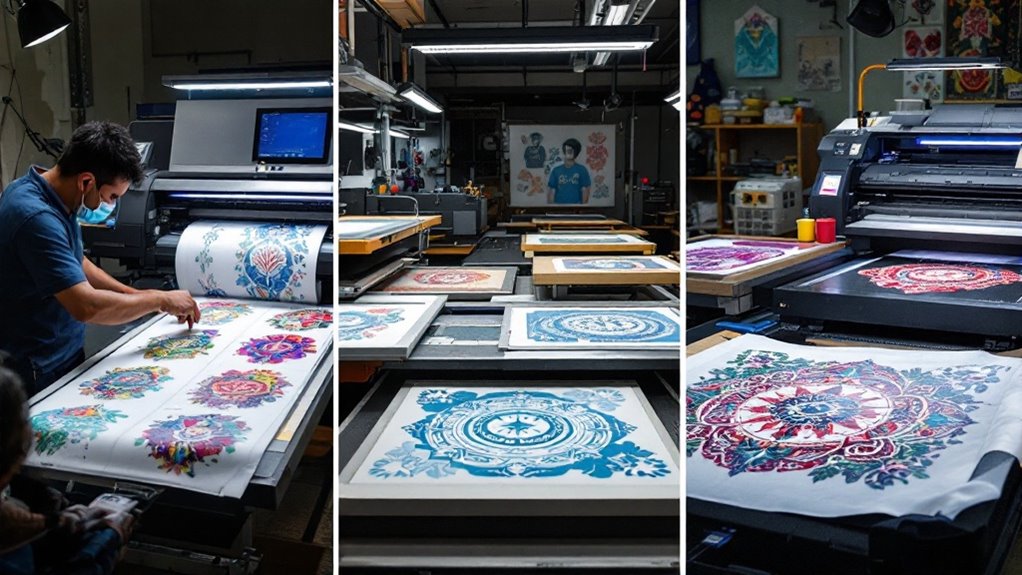
When comparing different garment printing methods, DTF printing emerges as a versatile middle ground between traditional techniques. You’ll find it offers unique advantages that set it apart from other popular methods.
Let’s investigate how DTF stacks up against DTG printing. In the dtf vs dtg debate, you won’t need to pretreat fabrics with DTF, saving you time and money. DTF also works better on dark garments and provides more consistent results across different fabric types.
Considering dtf vs sublimation, you’ll notice a significant difference in material compatibility. While sublimation only works on polyester or poly-blend fabrics, DTF adapts to virtually any material.
- Screen printing requires complex setup and isn’t cost-effective for small runs, while DTF excels at both small and medium batches
- Heat transfer vinyl limits your design complexity, but DTF handles intricate details with ease
- Vinyl cutting wastes material with weeding, whereas DTF uses only the necessary amount of film and ink
You’ll appreciate DTF’s balance of quality, versatility, and cost-effectiveness. It’s particularly valuable when you need to print detailed designs on various fabrics without compromising on durability.
Launching Your DTF Business: Essential Steps
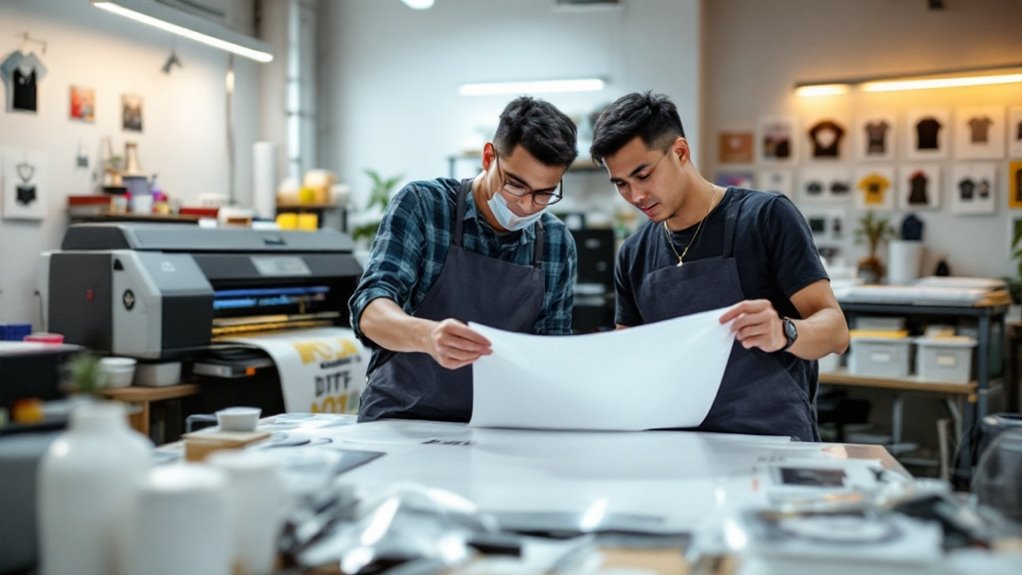
Starting your DTF printing business requires careful planning and smart decision-making to set yourself up for success. You’ll need to research your market and handle legal requirements before investing in quality equipment like printers, heat presses, and supplies. Your workspace setup and organization will play an essential role in running efficient operations, so take time to create an optimized layout that supports your workflow.
Market Research and Planning
Before launching your DTF printing business, conducting thorough market research will help you identify opportunities and minimize risks. Your dtf market research should focus on understanding local demand and competition in your target area.
You’ll need to analyze both online and offline markets to determine where your services will be most needed. Consider surveying potential customers about their custom printing needs and price sensitivity.
Let’s examine the key areas you’ll want to investigate as part of your dtf business plan:
- Customer Demographics: Identify who’s most likely to need DTF printing services – from local businesses and sports teams to event planners and fashion designers
- Competition Analysis: Research other printing businesses in your area, their pricing strategies, and service gaps you could fill
- Market Size: Calculate potential revenue by estimating the number of customers and average order values in your region
Remember to document your findings in a detailed business plan. This will guide your decisions and help secure any needed funding.
Your research should also include industry trends and seasonal patterns. Understanding peak periods like school events or holiday seasons will help you plan inventory and staffing needs.
Legal and Financial Setup
To protect your DTF printing business and operate legally, you’ll need to establish proper legal and financial foundations from day one. Think of this stage as building your business’s safety net – it’ll catch you if things get complicated.
Let’s examine the essential legal and financial setup steps. Start by selecting your business structure – whether that’s a sole proprietorship, LLC, or corporation. Each has different tax implications and liability protection levels.
You’ll want to register your business name and obtain an Employer Identification Number (EIN) from the IRS. This number’s vital for tax purposes and opening business bank accounts.
Now let’s tackle permits and licenses. Check with your local government about specific requirements for running a printing business from your location. You might need zoning permits or special business licenses.
Moving on to the financial foundation, separate your personal and business finances immediately. Open a dedicated business bank account and set up a bookkeeping system to track income and expenses.
Consider connecting with these dtf business resources: local SCORE mentors, small business development centers, and industry-specific printing associations. They’ll guide you through complex regulations and financial decisions.
Essential Equipment and Supplies
Now that your legal foundation is set, equipping your DTF printing business with the right tools will determine your production quality and efficiency. Let’s investigate the essential DTF equipment and supplies you’ll need to get started.
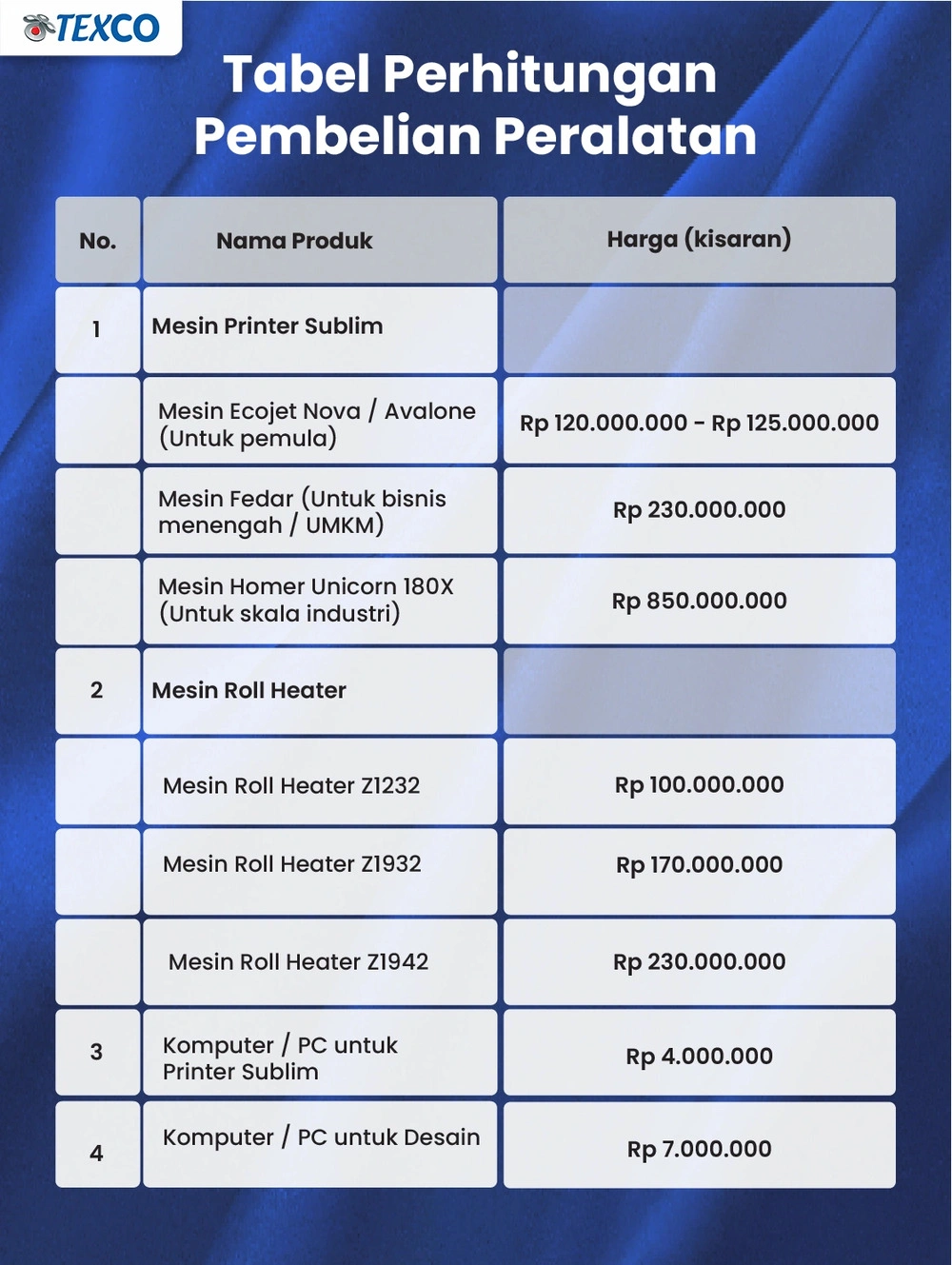
Your primary investment will be a quality DTF printer like the Fedar model, which offers automatic white ink stirring and precise head movement. You’ll also need a reliable heat press for transferring designs to fabric.
Don’t overlook these vital DTF supplies that’ll keep your operation running smoothly:
- High-grade PET film that’s compatible with your chosen printer and inks
- Professional DTF inks (like Xinier or Pino) for vibrant, long-lasting prints
- Hot melt adhesive powder for secure design adhesion
You might wonder about optional equipment to boost productivity. Consider adding a curing oven for higher volume orders and an air purifier to maintain workspace air quality.
Moving on to workspace organization, you’ll want to arrange your DTF equipment in a logical workflow. This setup helps prevent bottlenecks and guarantees smooth production from design to finished product.
Remember to stock up on basic supplies like cover sheets, lint rollers, and heat-resistant tape. These small items make a big difference in daily operations.
Setting Up Your Workspace
A well-organized workspace serves as the foundation of your DTF printing business‘s success. When planning your dtf business setup, you’ll need to designate specific zones for each part of the printing process.
Let’s investigate the essential areas you’ll need. Create a design station with proper lighting and a comfortable desk for your computer and software work. Set up your printing zone with enough space for your DTF printer and film storage.
You’ll want a dedicated powder application area with proper ventilation. This space should be separate from other zones to prevent powder from spreading to sensitive equipment.
Moving on to the curing section, position your heat press and curing oven away from your design station to manage heat distribution effectively. Remember to leave enough workspace around each piece of equipment for easy maintenance.
Have you ever noticed how organized kitchens flow seamlessly? Apply that same principle to your dtf printing tips by creating a logical workflow pattern. Position your stations in sequence from design to final product packaging.
Consider installing an air purification system to maintain air quality. Your workspace should also include adequate storage for supplies and finished products.
Mastering the DTF Printing Technique
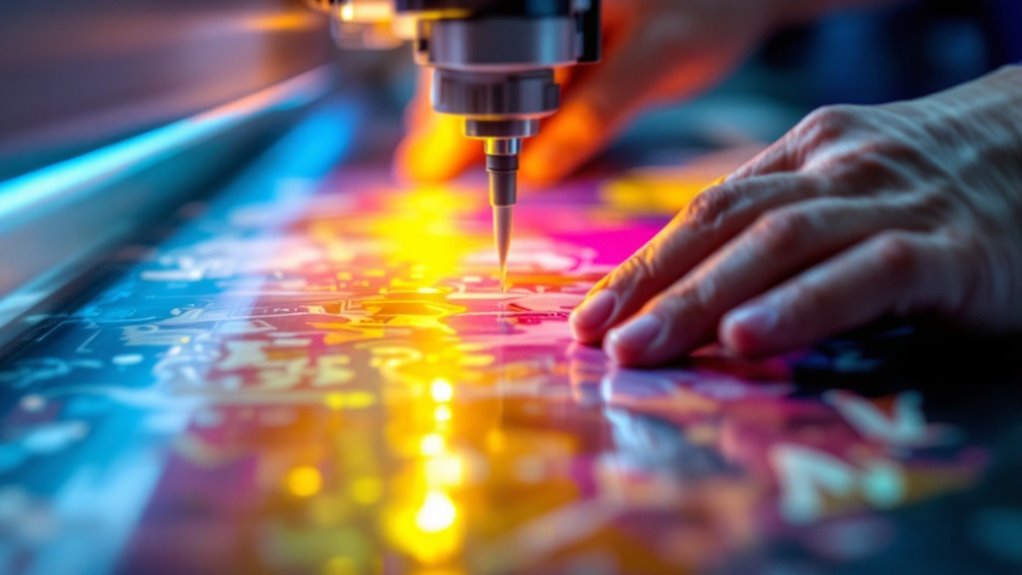
To master DTF printing, you’ll need to understand the critical steps from design preparation through transfer completion. You’ll discover that quality control checkpoints at each stage help prevent costly mistakes and guarantee professional results. By learning common troubleshooting techniques, you’ll be equipped to handle technical challenges that might arise during your printing projects.
Step-by-Step Printing Guide
Successfully printing DTF designs requires following a precise sequence of steps while maintaining careful attention to detail at each stage. When you’re starting a DTF business, mastering these steps will help maximize your profit potential.
Let’s examine the essential steps you’ll need to follow. Begin by preparing your artwork in your preferred design software, guaranteeing proper color settings and resolution. Next, load your DTF film into the printer with the coated side facing up.
You’ll want to monitor these significant elements during the printing process:
- Print temperature settings (usually between 45-50°C)
- White ink density for ideal coverage
- Film alignment to prevent shifting
Now that your design is printed, evenly apply the hot melt powder while the ink is still wet. Shake off excess powder gently to guarantee even coverage. Transfer your design to your heat press at 320°F for about 15 seconds.
Finally, peel the film while it’s still hot – this is vital for achieving clean, professional results. Remember to let the garment cool completely before handling or packaging.
With practice, you’ll develop a rhythm that makes these steps second nature, boosting your efficiency and productivity.
Quality Control at Each Stage
While DTF printing requires technical precision, implementing quality control checks at each production stage helps prevent costly mistakes and guarantees consistent results. You’ll find that proper quality control is essential for dtf business growth and minimizing dtf troubleshooting issues down the line.
Let’s examine the critical checkpoints you’ll need to monitor. Start with your artwork files by verifying resolution, color profiles, and dimensions before sending them to print.
Once printing begins, examine your prints for color accuracy and sharp details. Look for any banding, streaking, or inconsistencies that could affect the final transfer.
Moving on to powder application, you’ll want to verify even coverage across your design. Too little powder won’t adhere properly, while too much can create a thick, uncomfortable texture.
During the curing process, monitor both temperature and timing carefully. Your powder should melt completely without scorching the film.
You might wonder about the final transfer stage. Check for complete adhesion by gently stretching the fabric – your design shouldn’t crack or separate.
Have you established a quality control checklist yet? Document each inspection point to maintain consistency across all your orders.
Troubleshooting Common Problems
Even experienced DTF printers encounter technical issues that can affect print quality and production efficiency. Let’s investigate common problems you’ll face in your DTF printing business and their solutions.
You might notice your prints aren’t turning out as expected. Don’t worry – every DTF success story started with troubleshooting challenges. Comprehending these issues will help you maintain consistent quality.
Let’s plunge into the most frequent problems you’ll encounter:
- White ink separation: Stir your white ink regularly and maintain proper temperature settings to prevent this common issue
- Film adhesion problems: Clean your print bed thoroughly and make sure you’re using high-quality PET film specifically designed for DTF
- Powder distribution unevenness: Use an automatic shaker or develop a consistent manual shaking technique
Now that we recognize these challenges, let’s focus on prevention. Keep your workspace clean and regularly maintain your equipment. Monitor your room’s temperature and humidity levels.
You’ll want to document each problem and solution you encounter. This creates a valuable troubleshooting guide for your growing DTF printing business. Remember, every challenge solved makes you more proficient in your craft.
Marketing and Selling Your DTF Products
Marketing your DTF printing business requires a strategic mix of online and offline promotional tactics to attract and retain customers. You’ll need to establish a strong digital presence while maintaining personalized service.
Start by creating an engaging website that showcases your DTF printing portfolio. You’ll want to highlight your best work and include customer testimonials.
Social media platforms like Instagram and Pinterest are perfect for displaying your DTF designs. Share before-and-after photos and behind-the-scenes content of your printing process.
Consider offering a referral program to reward customers who bring in new business. You might give them a discount on their next order or free samples.
Your DTF customer service should be exceptional. Respond quickly to inquiries and provide detailed quotes within 24 hours.
Partner with local businesses and attend trade shows to expand your reach. You’ll find valuable networking opportunities at craft fairs and business expos.
Don’t forget email marketing. Build a subscriber list and send regular updates about new products and special offers.
Track your marketing metrics to see what’s working. You can adjust your strategy based on customer engagement and sales data.
Scaling Your DTF Business for Growth

Once you’ve established a steady customer base and consistent revenue through effective marketing, your DTF printing business will be ready for expansion. Let’s investigate proven strategies to scale your operation and maximize dtf business opportunities.
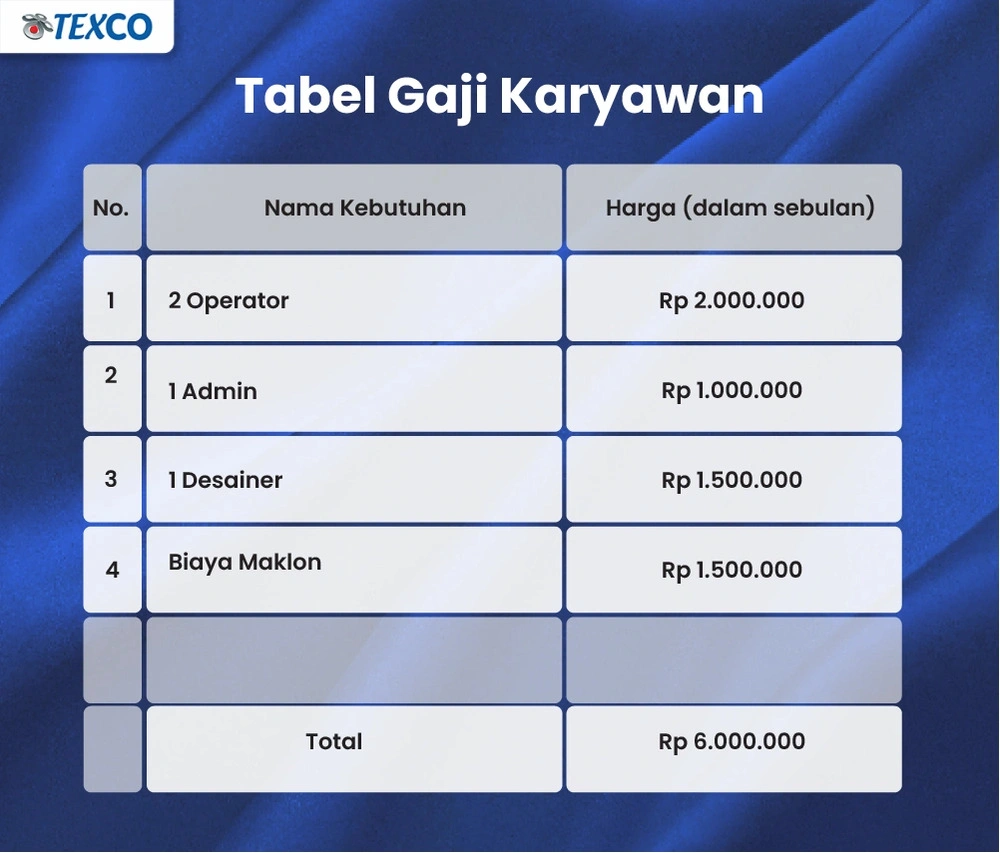
You’ll want to start by analyzing your current production capacity and identifying bottlenecks. Consider investing in additional DTF printers or automated equipment to handle increased demand.
Your path to dtf business success requires careful attention to workforce development. Train your team thoroughly and delegate responsibilities effectively to maintain quality as you grow.
- Invest in enterprise-level management software to streamline order processing and customer relationships
- Establish partnerships with reliable suppliers to secure bulk pricing on materials
- Consider expanding into new market segments like corporate merchandise or specialty fabrics
Now’s the time to think about geographic expansion. You might consider opening satellite locations or partnering with existing print shops to extend your reach.
Remember to maintain your quality standards as you scale. Growing too quickly without proper systems in place can hurt your reputation and bottom line.
Consider developing subscription-based services or recurring order programs to create predictable revenue streams. This approach helps stabilize cash flow during expansion.
Schedule a free consultation session with industry experts to receive tailored guidance for your specific business needs and challenges.
Conclusion
DTF printing technology represents an exciting business opportunity with significant growth potential and diverse revenue streams. Focus on both individual and business clients seeking custom apparel solutions for sustainable growth.
While initial costs exist, proper planning enables profitable returns within months. Success comes from maintaining quality during expansion, staying current with industry trends, and continuous adaptation.
Your DTF printing business journey offers unlimited creative and profit potential. With dedication to quality service and innovation, you’ll build a thriving operation.
Take action now to transform your entrepreneurial vision into reality. The DTF printing industry awaits your contribution.
Frequently Asked Questions
How Long Does a DTF Print Typically Last After Multiple Washes?
With proper application, your DTF prints can withstand 50+ washes while maintaining 90% color vibrancy. You’ll find they’re highly durable, lasting years with normal wear, thanks to the strong adhesive powder bond.
What Is the Average Cost per Print for Small DTF Orders?
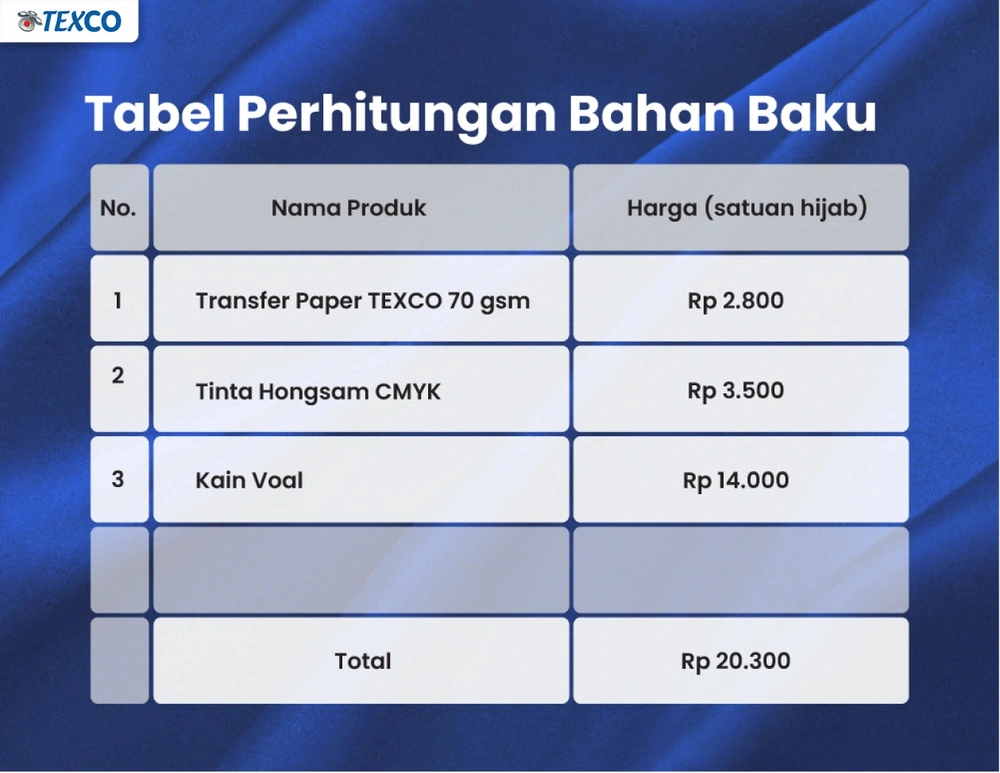
You’ll typically spend $0.50 to $2 per small DTF print, depending on size and colors. Your costs include ink ($0.20-0.80), film ($0.15-0.50), powder ($0.10-0.40), and minimal electricity usage.
Can DTF Prints Be Ironed Directly After Application?
You shouldn’t iron DTF prints directly after application. Wait at least 24 hours before ironing, and when you do, use medium heat and turn the garment inside out to protect the design.
How Much Space Is Typically Needed for a Basic DTF Setup?
Like a well-choreographed dance, you’ll need at least 150 square feet to comfortably house your basic DTF setup, including space for your printer, heat press, powder station, and workspace for design prep.
What Is the Environmental Impact of DTF Printing Compared to Other Methods?
You’ll find DTF printing creates less waste than screen printing since it’s digital and on-demand. While it uses plastic films, it doesn’t require water-intensive pretreatments like DTG or harmful chemicals like sublimation.