Digital Printing Equipment Every Business Should Own

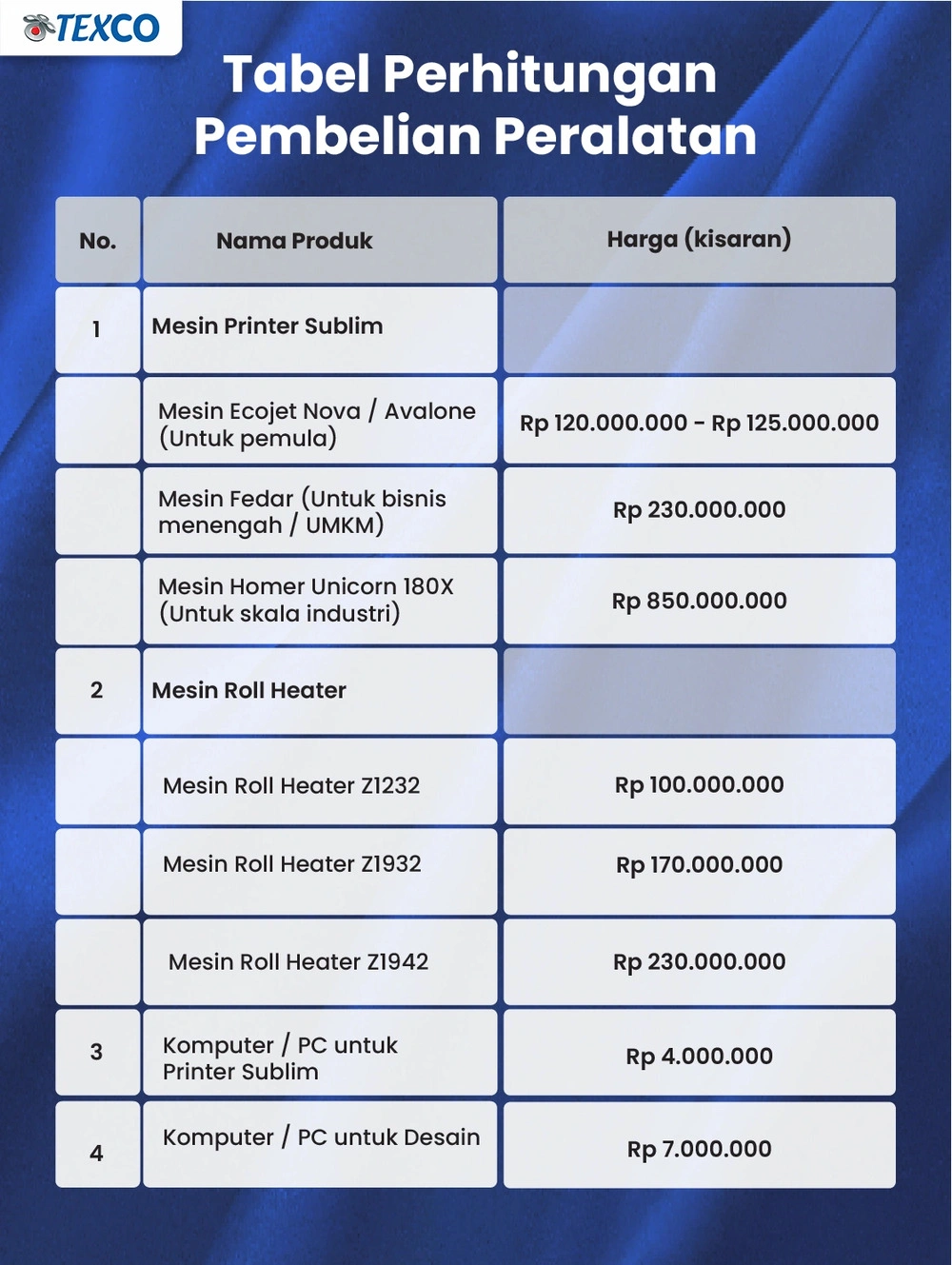
To run a successful digital printing business, you’ll need essential equipment including a high-performance computer (16 GB RAM, i7 processor), DTF or DTG printer, heat press machine, and quality inks. Don’t forget PET film sheets and powder adhesive for DTF printing, plus a reliable UPS system to protect your investment. Your studio needs proper ventilation, lighting, and safety equipment too. Let’s examine the specific details of each component to maximize your printing success.
Key Takeaways
- Professional-grade computer or laptop with minimum 16GB RAM and dedicated graphics card for managing design files and printing operations.
- DTF or DTG printer system with CMYK plus white ink capabilities for versatile, high-quality fabric printing solutions.
- Industrial heat press machine with digital controls and adjustable temperature settings between 320-380°F for consistent transfers.
- Uninterruptible Power Supply (UPS) system to protect equipment from power fluctuations and ensure continuous printing operations.
- Commercial-grade design software and color calibration tools to ensure accurate color reproduction and professional-quality outputs.
What is a Digital Printing Business?
A digital printing business transforms your creative designs into physical products using specialized computer-controlled equipment.
You’ll find this type of business spans multiple industries from textile printing to promotional merchandise. Digital printing solutions let you produce custom designs on demand.
Think of it as your creative studio where imagination meets technology. You’re able to print on various materials like fabric, paper, and film.
The equipment you’ll need depends on your target market. For textile printing, you might focus on DTG printers for cotton or sublimation printers for polyester.
You’re not just selling prints – you’re providing customization services. Your business can serve everyone from fashion designers to corporate clients.
Modern DTF printing technology offers impressive capabilities with resolutions up to 600 dpi for high-quality garment production.
Let’s investigate the essential equipment you’ll need to start your digital printing journey.
Popular Printing Methods in the Industry
When you’re getting started in digital printing, you’ll want to investigate several popular methods that dominate today’s market. You’ll find technologies like DTF and DTG printing leading the way, offering different advantages for various fabric types and production scales. While traditional methods like screen printing still hold their place, modern approaches like plastisol and rubberized ink printing give you exciting options for creating unique, high-quality products that your customers will love.
DTF (Direct-to-Film) T-Shirt Printing
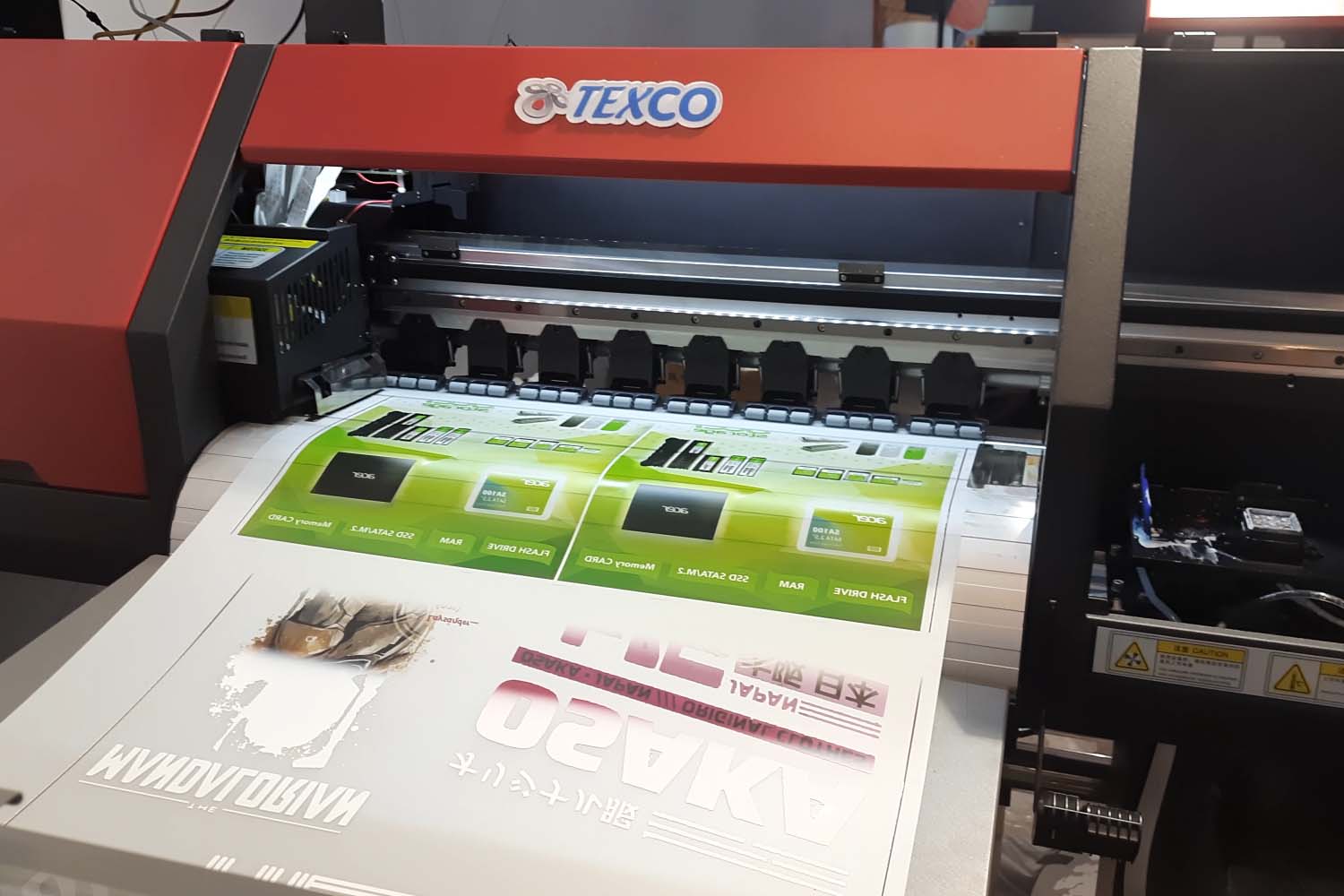
Direct-to-Film (DTF) printing transforms t-shirt customization by offering unmatched versatility across fabric types.
You’ll love how DTF printing lets you create vibrant designs on virtually any fabric – from cotton to polyester and everything in between. It’s like having a universal translator for your artwork.
The process is surprisingly straightforward. Your design gets printed onto a special film, coated with adhesive powder, and then heat-pressed onto the garment.
Let’s investigate why businesses are switching to DTF. You’ll get durable prints that won’t crack or peel, plus amazing color vibrancy that lasts through multiple washes.
Want flexibility in your production? DTF lets you create transfers ahead of time and store them for later use. You’re not limited by immediate printing demands.
Many businesses benefit from official warranty coverage and comprehensive training programs when investing in DTF printing equipment.
DTG (Direct-to-Garment) T-Shirt Printing

Modern t-shirt printing takes an exciting turn with Direct-to-Garment (DTG) technology. You’ll love how this innovative method prints directly onto cotton fabrics with stunning precision.
If you’re aiming for high-quality custom designs, DTG printing delivers exceptional color vibrancy and detail. Your designs can include complex gradients and photographic elements.
Let’s investigate why businesses choose DTG. You get instant production readiness with minimal setup costs and no minimum order requirements.
Texco’s DTG systems come with comprehensive support to get you started. You’ll receive installation, training, and a full year of technical assistance.
Have you noticed how eco-conscious customers are becoming? DTG printing uses water-based inks that meet Oeko-Tex standards for sustainability.
Moving on to practicality, you’ll appreciate the durability of DTG prints that withstand multiple washes.
Professional DTG printers can achieve 1440 dpi resolution for exceptional print quality on garments.
Traditional Screen Printing

Despite newer digital printing methods emerging, traditional screen printing remains a powerhouse in the textile industry. You’ll find it’s still the go-to choice for high-volume production runs.
Screen printing delivers unmatched durability and vivid colors that last. While digital printing tools offer flexibility, nothing beats screen printing for cost-effectiveness on large orders.
You’ll appreciate how screen printing creates a distinct, textured feel that customers love. The ink sits on top of the fabric, creating that premium, professional finish.
This method works exceptionally well on both light and dark fabrics. You can achieve special effects like metallic, glitter, or glow-in-the-dark prints that digital methods can’t match.
Consider screen printing when you need to produce over 50 identical items. The setup costs are worth it for bulk orders.
Plastisol Ink Printing

Among screen printing techniques, plastisol ink stands as the industry’s most widely used method. You’ll find it’s incredibly versatile and perfect for creating vibrant designs on various fabrics.
When you’re examining digital printing equipment options, don’t overlook plastisol’s unique benefits. It creates a thick, durable layer that sits on top of the fabric rather than soaking in.
You might wonder about its compatibility with modern technology. Today’s plastisol inks work seamlessly with digital printing equipment for precise color matching and detailed designs.
Let’s investigate why businesses love it. It won’t dry in your screen, has excellent opacity on dark fabrics, and delivers exceptional wash durability.
The best part? You can cure these inks at lower temperatures than traditional methods, saving both time and energy costs.
Rubberized Ink Printing
Rubberized ink transforms fabric printing with its unique elastic properties and dimensional effects. You’ll find this innovative method creates raised designs that stretch and move with the fabric.
When you’re looking to add texture to your prints, rubberized ink stands out in the printing industry. It’s perfect for athletic wear and performance clothing that needs flexibility.
You might wonder about durability. The good news is that rubberized ink maintains its shape even after multiple washes.
To get the best results, you’ll need specialized equipment that can handle the thick consistency of rubberized ink. Your prints will have that premium feel that customers love.
Let’s investigate the application process. You’ll start with a base layer, then build up the ink gradually for that signature dimensional effect.
Flocking Technique Printing

When you’re looking to add luxurious texture to fabric prints, flocking technique stands out as a premium method.
You’ll find this process creates a velvet-like finish by applying tiny fiber particles to adhesive-printed designs. The result feels as soft as a kitten’s fur but stands up to regular wear.
Let’s investigate how it works: Your design gets printed with special adhesive ink. Then, colored fibers are applied using an electromagnetic field. These fibers stand upright, creating that distinctive raised texture.
This technique works wonderfully for high-end fashion pieces, decorative home textiles, and premium branded merchandise. You’ll appreciate how it adds perceived value to your products.
Have you noticed those luxurious logos on designer sportswear? That’s often flocking technique at work.
Essential Tools for DTF Printing Business

To start your DTF printing business, you’ll need five essential tools: a reliable computer or laptop for design work, specialized DTF inks, a heat press machine, PET film sheets, and powder adhesive. These core components work together as part of a seamless printing process that lets you create high-quality transfers for various fabric types. When you’re equipped with these basics, you’re ready to take on projects ranging from custom t-shirts to promotional merchandise – just like many of Texco’s successful clients.
Computer or Laptop

A reliable computer or laptop serves as the command center for your DTF printing business. You’ll need it to process designs and control your printing equipment efficiently.
You’ll want to invest in a system with at least 16GB RAM and a dedicated graphics card. This guarantees smooth handling of large design files and complex printing software.
For peak performance, look for an i7 processor or equivalent. Your printing business depends on swift file processing and minimal lag time.
Storage matters too. Choose a minimum 512GB SSD to keep your design library and printing software running smoothly.
Don’t forget about color accuracy. A screen with at least 99% sRGB coverage helps you see designs exactly as they’ll print.
Consider getting a backup system too. You can’t afford downtime in your printing operations.
DTF Ink

Selecting the right DTF ink stands as your most crucial decision for print quality and durability. Your DTF printers need specialized pigment-based inks that’ll bond effectively with transfer films.
You’ll want to invest in CMYK plus white ink sets specifically formulated for DTF printing. The white ink serves as your foundation layer for vibrant colors on dark fabrics.
Look for quick-drying inks with excellent wash resistance and color fastness. Quality DTF inks should maintain their vibrancy even after multiple washes.
Storage matters more than you might think. Keep your inks at room temperature and shake them gently before use. This prevents settling and guarantees consistent print quality.
Consider eco-friendly options that meet Oeko-Tex standards. They’re better for the environment and safer for your operators to handle.
Heat Press Machine

Heat press machines form the backbone of any successful DTF printing operation. You’ll need this essential equipment to permanently bond your designs to fabrics through controlled heat and pressure.
A quality heat press machine guarantees your transfers come out vibrant and durable. You’ll want to look for features like adjustable temperature settings and even pressure distribution.
Let’s investigate what makes a great heat press setup. You’ll need temperatures ranging from 320-380°F for DTF transfers and pressure settings between 40-60 PSI.
Moving on to practical tips, you’ll get the best results with a 15-20 second press time. Remember to always test your settings on sample materials first.
For consistent quality, make certain your heat press machine has digital controls and automatic pressure adjustment features.
PET Film Sheets

PET film sheets work hand-in-hand with your heat press to create stunning DTF transfers. These specialized sheets are essential for capturing your designs before transferring them to fabric.
You’ll want to source high-quality PET film sheets that are compatible with DTF printing technology. They’re specifically designed to hold powder adhesive and ink without warping or curling.
When selecting your PET film sheets, look for options that offer excellent ink absorption and quick-drying properties. This guarantees your designs remain crisp and vibrant.
You’ll find these sheets available in various sizes to match your printer specifications. Most businesses start with A3 or A4 formats.
Remember to store your PET film sheets in a cool, dry place. Proper storage prevents moisture damage and maintains their transfer efficiency.
Let’s investigate how these sheets transform your digital designs into wearable art.
Powder Adhesive

While DTF transfers require precise printing techniques, the magic truly happens with your powder adhesive. This essential component creates the strong bond between your design and fabric.
You’ll want to choose a high-quality powder adhesive that meets your specific needs. The right choice guarantees your prints stay vibrant and durable through multiple washes.
- Hot-melt adhesive powder activates at temperatures between 160-170°C
- Each gram of powder can cover approximately 2-3 square feet of design
- White powder works best for light-colored fabrics
- Clear powder is ideal for maintaining color vibrancy on dark materials
Store your powder adhesive in a cool, dry place to prevent clumping. You’ll get the best results by applying it evenly across your printed design using a powder shaking tool or automated powder system.
Blank T-Shirts or Fabrics

Selecting the right blank garments forms the foundation of your DTF printing success. You’ll want to focus on high-quality cotton and polyester blends that provide ideal print surfaces.
For t-shirt printing, look for materials with a smooth, even texture. Cotton counts between 180-200 GSM work best for most designs.
You’ll need a variety of sizes and colors in your inventory. Start with basics like white, black, and gray before expanding.
Consider stocking both regular and premium blank options. This gives your customers choices at different price points.
Don’t forget to source from reliable suppliers who can guarantee consistent quality. You’re building a reputation with every print.
Store your blanks in a clean, dry environment. Proper storage prevents moisture damage and maintains fabric quality for ideal printing results.
Quality blanks are essential since DTF prints can withstand over 50 washes while maintaining vibrancy and durability.
Printhead Cleaning Solution

Regular printhead cleaning is the lifeblood of your DTF printing operation. You’ll need a reliable printhead cleaning solution to keep your machine running smoothly and prevent costly repairs.
A quality cleaning solution helps you maintain peak print quality while extending your equipment’s lifespan. It’s crucial to choose a compatible solution for your specific printer model.
- Removes dried ink and prevents clogging
- Dissolves stubborn residue without damaging printheads
- Maintains consistent color output and print clarity
- Reduces maintenance downtime and repair costs
You’ll want to establish a regular cleaning schedule based on your printing volume. Most businesses find success with daily or weekly maintenance routines.
Remember to store your printhead cleaning solution in a cool, dry place. This guarantees its effectiveness when you need it most.
Voltage Stabilizer

A voltage stabilizer acts as your printing equipment’s personal bodyguard. It shields your valuable DTF and textile printing machines from sudden power fluctuations that could damage sensitive components.
You’ll want to invest in a quality stabilizer that matches your printer’s power requirements. This is especially vital when you’re running multiple machines simultaneously.
Think of it as insurance for your printing business. One power surge could cost you thousands in repairs or replacements.
When selecting a voltage stabilizer, consider your total equipment load. Most textile printing setups need a 5-10 KVA unit for ideal protection.
You’re protecting not just your hardware but also your production schedule. Imagine losing a big order because of equipment damage from unstable power supply.
Don’t skimp on this essential safeguard for your printing investment.
Uninterruptible Power Supply (UPS)

While a voltage stabilizer protects against power fluctuations, your UPS system serves as the last line of defense against complete power failures. In the custom printing and industrial printing world, sudden power outages can ruin your ongoing projects and damage expensive equipment.
You’ll need a reliable uninterruptible power supply (UPS) to safeguard your screen printing operations. Here’s what a quality UPS system provides:
- Immediate power backup during electrical interruptions
- Safe shutdown procedures for your printing equipment
- Protection against data loss during critical print jobs
- Voltage regulation to extend machine lifespan
Choose a UPS with enough capacity to support your digital printing setup. Consider factors like runtime requirements and the total power draw of your connected devices.
Pure Copper Grounding Cables

Proper grounding with pure copper cables complements your UPS system to create a complete electrical safety network for DTF printing equipment.
You’ll want to invest in high-quality copper grounding cables that meet industrial standards. These cables protect your sensitive printing machinery from electrical surges and static buildup.
When selecting copper grounding cables, look for AWG 6-8 gauge thickness for peak conductivity. Your DTF printer’s performance depends on stable power delivery.
Don’t skimp on installation – guarantee professional mounting with proper termination points. Poor grounding can lead to print quality issues and equipment damage.
You’ll notice the difference in print consistency once you’ve installed quality copper grounding cables. They’re especially important during Indonesia’s rainy season when power fluctuations are common.
Let’s maintain that investment in your DTF printer with proper electrical protection.
Setting Up an Efficient Printing Studio
You’ll need a well-planned printing studio to run your business smoothly, so let’s look at the key aspects of setting up an efficient workspace that maximizes productivity and safety. When you’re choosing a location and designing your layout, you’ll want to contemplate factors like proper ventilation, natural lighting, and workflow optimization to create an environment that supports your printing operations. Your studio setup should include designated areas for printing equipment, material storage, and quality control stations while maintaining clean, organized spaces that meet safety standards.
1. Selecting the Ideal Location
Choosing the right location for your digital printing studio can make or break your business success. You’ll need to evaluate workflow efficiency and equipment placement for peak textile printing operations.
Your space must accommodate various digital printing machines while maintaining smooth production flow. Think about future expansion too.
- Select a ground-floor location with easy loading access for materials and finished products
- Guarantee proper ventilation systems to handle printing fumes and maintain air quality
- Look for spaces with stable power supply and capacity for industrial-grade equipment
- Choose areas with controlled temperature and humidity for consistent print quality
Remember to check local zoning laws before signing a lease. You’ll want to be in an area that allows industrial printing activities.
Your location should also be accessible to both your team and clients.
2. Optimizing Space and Lighting
Successful lighting and space configuration form the bedrock of any digital printing studio’s workflow.
You’ll need at least 400 square feet to comfortably house your fabric printing equipment and allow proper movement around machines.
Natural light works wonders, but you’ll want to install adjustable LED panels with a color rendering index (CRI) of 90 or higher for consistent color accuracy.
Position your printers away from windows to prevent direct sunlight from affecting print quality. You’ll thank yourself later.
Create dedicated zones for pre-press, printing, and post-processing. This workflow separation prevents cross-contamination.
Make sure you’ve got proper ventilation, especially for DTF and sublimation printing areas. Your workspace should maintain a temperature between 20-25°C (68-77°F).
Remember to leave enough space for future expansion. Your business will grow faster than you think.
3. Designing an Efficient Workflow Layout
A well-planned workflow layout acts as the beating heart of your digital printing studio. When designing an efficient workflow layout for commercial printing, you’ll need to evaluate the natural flow of materials and personnel movement.
Your workflow should minimize bottlenecks and maximize productivity. Think about how materials move from receiving to finished products.
- Position your DTF and sublimation printers near your heat transfer stations
- Create dedicated zones for material preparation and quality control
- Set up a clean storage area for transfer papers and inks
- Establish a separate packing station away from printing areas
Remember that efficiency comes from smart placement of your equipment. You’ll want your operators to move seamlessly between printing, heat pressing, and finishing stations. This reduces production time and prevents costly mistakes.
4. Ensuring Cleanliness and Safety in the Studio
Since digital printing involves specialized inks and equipment, maintaining pristine studio conditions isn’t just about aesthetics – it’s vital for your safety and print quality.
You’ll want to create designated clean and dirty zones in your workspace. Keep your sublimation and plastisol printing areas separate to prevent cross-contamination.
Install proper ventilation systems to remove chemical fumes and maintain good air quality. This is especially important when working with specialty inks.
Set up a daily cleaning schedule for your equipment and workspace. Wipe down surfaces, dispose of waste properly, and keep your printing heads pristine.
Store your materials in temperature-controlled areas away from direct sunlight. You’ll extend their shelf life and maintain consistent print quality.
Always keep safety equipment like gloves and masks readily available for your team.
Conclusion
Whether you’re starting a textile printing business or expanding your existing operations, choosing the right digital printing equipment makes all the difference. From custom banners to specialized garments, your success depends on having reliable tools and technology.
Consider partnering with established suppliers like Texco that offer comprehensive support and sustainable solutions. You’ll want equipment that grows with your business and maintains quality standards.
- DTF printers for versatile material applications
- Sublimation systems for polyester-based products
- Direct-to-fabric printers for natural fibers
- Heat transfer machines for finishing touches
Remember to prioritize both quality and sustainability in your equipment choices. Look for suppliers offering training, warranties, and technical support to guarantee your investment pays off. Your printing equipment forms the foundation of your business’s future success.
Would you like more in-depth recommendations? Book a FREE Business Consultation with our High-Calibre Business Consultants.